
Saunas are booming, but not all heat rooms are the same. Some scorch you with dry air, others wrap you in gentle infrared rays. The right choice depends on your space, budget, and health goals. In this list you’ll see the top seven sauna styles, how they work, what science says, and which one fits a desert backyard or a city apartment.
We’ll walk through each type, point out the pros and cons, and give you practical tips so you can decide which heat‑therapy fits your life today.
1. Far-Infrared Saunas: Gentle Heat, Deep Detox
Far‑infrared (FIR) units use carbon or ceramic panels that emit long‑wave infrared light. The panels heat your skin directly, so the air stays cool , usually between 113°F and 140°F. That lower air temperature makes FIR saunas comfortable for longer sessions, especially if you can’t tolerate the 170°F+ of a Finnish sauna.
Research shows FIR can trigger the same heart‑rate lift as moderate exercise. A systematic review of infrared‑therapy trials found that regular FIR sessions improved cardiac output in people with chronic heart failure (PubMed). The same review noted that FIR’s deeper tissue penetration may help people who find traditional heat too intense.
When it comes to energy use, FIR models often run on a 120 V circuit and draw about 1.5‑3 kW, which translates to $5‑$10 a month. However, premium full‑spectrum FIR units can pull up to 15 kW, pushing the bill to $15‑$25 , a cost range that matches low‑end traditional saunas Sun Home guide.
Because FIR heats the body directly, sweat starts within minutes. That fast sweat can help flush heavy metals like lead and cadmium, which studies have detected in sweat (PubMed). Still, the liver and kidneys remain the primary detox routes; FIR simply adds a supportive pathway.
Design matters, too. FIR cabins often use cedar or hemlock, which release pleasant aromas as the wood warms. The scent adds a spa‑like feel without the steam hiss of a traditional sauna.
Bottom line:FIR saunas are ideal if you want lower air temps, quick sweat, and a modest energy draw, yet premium models can cost as much as a basic Finnish sauna.
2. Near-Infrared Saunas: Targeted Relief
Near‑infrared (NIR) emits shorter wavelengths (around 750‑1400 nm). Those rays reach the skin’s surface and boost circulation without heating deeper tissues. That makes NIR saunas a favorite for athletes who want a warm‑up that’s easy on joints.
The Cleveland Clinic explains that NIR’s “penetrating warmth” can lower blood pressure and mimic a moderate walk (Cleveland Clinic). The clinic also notes that NIR can aid recovery after tough workouts, because the increased blood flow brings nutrients to sore muscles faster.
Cost‑wise, NIR units are similar to FIR , many run on a standard 120 V outlet and pull 2‑3 kW. That means you’ll likely pay $5‑$10 a month in electricity, which is cheaper than a 6‑9 kW electric heater that powers a traditional sauna.
One downside is the limited heat depth. If you need deep muscle relaxation, the shorter wavelength may not reach far enough, so you might combine NIR with a traditional session or opt for a full‑spectrum hybrid.
Because the head stays out of the hot chamber, NIR saunas feel less claustrophobic. That can be a boon for people who get anxious in a closed, high‑heat room.
“I felt the same blood‑flow boost after a 10‑minute NIR session as after a 30‑minute jog.” , a user‑submitted comment on a health forum.
Bottom line:Near‑infrared saunas are great for targeted relief, fast warm‑up, and lower bills, yet they lack the deep‑tissue heat of full‑spectrum models.
3. Traditional Finnish Saunas: Classic High Heat
Finnish saunas heat the air with an electric or wood‑burning stove. Stones sit on the heater, and when you splash water you get the famous “löyly” steam burst. Temperatures climb to 150‑200°F (65‑93°C) and humidity stays low unless you add water.
Long‑term observational studies from Finland show that regular sauna use (3‑7 times a week) cuts the risk of sudden cardiac death, high blood pressure, and even dementia (PubMed). Those studies used traditional saunas, so the evidence base is strongest for this heat style.
Energy use is higher. A 6‑9 kW heater draws about 15‑30 kW·h per month, costing $15‑$30 in electricity. That’s double the baseline FIR cost, but still cheaper than heating a whole house.
Traditional units need a 240 V circuit and a dedicated breaker. If you’re in the desert, you’ll likely need a professional electrician to run the line, adding $500‑$1,500 to the install cost.
The heat rises, so the upper bench can be 30‑40°F hotter than the floor level. That gives you a built‑in way to dial intensity: sit higher for a searing blast, or lower for a milder soak.
Because the air itself is hot, you’ll feel a more intense, full‑body heat. That can be perfect for deep muscle relaxation after a long hike or a heavy golf round.
Bottom line:If you crave the authentic steam burst, high temperatures, and proven cardiovascular benefits, a Finnish sauna is the go‑to choice.
4. Steam Saunas (Banya): Intense Humidity
A Russian banya is a steam‑rich sauna that runs at about 70°C (158°F) but with 40‑60% humidity. The steam comes from pouring water on hot stones, similar to Finnish “löyly” but with far more moisture.
Healthline notes that steam rooms can loosen mucus, helping with sinus congestion (Healthline). The high humidity also opens skin pores, which can improve complexion over time.
Because the air is saturated, the perceived temperature feels higher than the actual air reading. You’ll sweat heavily, but the heat feels less harsh on the lungs.
Steam rooms demand sturdy construction. The wood must resist rot from constant moisture, and the heater must handle a higher steam load. In cold climates, a banya built with cedar and a sealed roof can survive winters, but you’ll need proper insulation to keep the heat from escaping.
One risk is that steam can aggravate certain heart conditions. The same Finnish researchers who tracked cardiac benefits warned that rapid temperature shifts (hot steam then icy plunge) may trigger arrhythmias in vulnerable people (GoBanya). If you have heart disease, talk to a doctor before diving into a banya.
The social aspect is strong. Banyas are traditionally communal , friends sit together, swap birch or oak “venik” bundles, and chat while the steam swirls.
“The banya feels like a warm hug for the whole family.” , a longtime banya patron.
Bottom line:Steam‑rich banyas are perfect for humid‑heat lovers and skin seekers, yet they need careful construction and health clearance.
5. Combination Saunas: Versatile Performance
Hybrid units pack both a traditional electric heater and infrared panels. You can flip a switch and start with a quick FIR warm‑up, then crank the heater for a classic steam burst.
According to My Sauna World, hybrids let you enjoy the cardiovascular data of Finnish saunas while also harvesting the quick‑sweat benefits of FIR (My Sauna World). The downside is a higher upfront price and a more complex wiring plan , many hybrids need both 120 V for the FIR panels and a 240 V line for the heater.
Energy use sits between the two extremes. A hybrid that runs the FIR at 2 kW and the heater at 6 kW will pull about 8 kW when both are on, costing roughly $12‑$18 a month , still cheaper than a maxed‑out traditional unit that runs 9 kW continuously.
From a health perspective, you can start with a 15‑minute FIR session to raise your core temp gently, then add 10‑minutes of high heat to push your heart rate higher. That layered approach may amplify the cardio boost seen in both research streams.
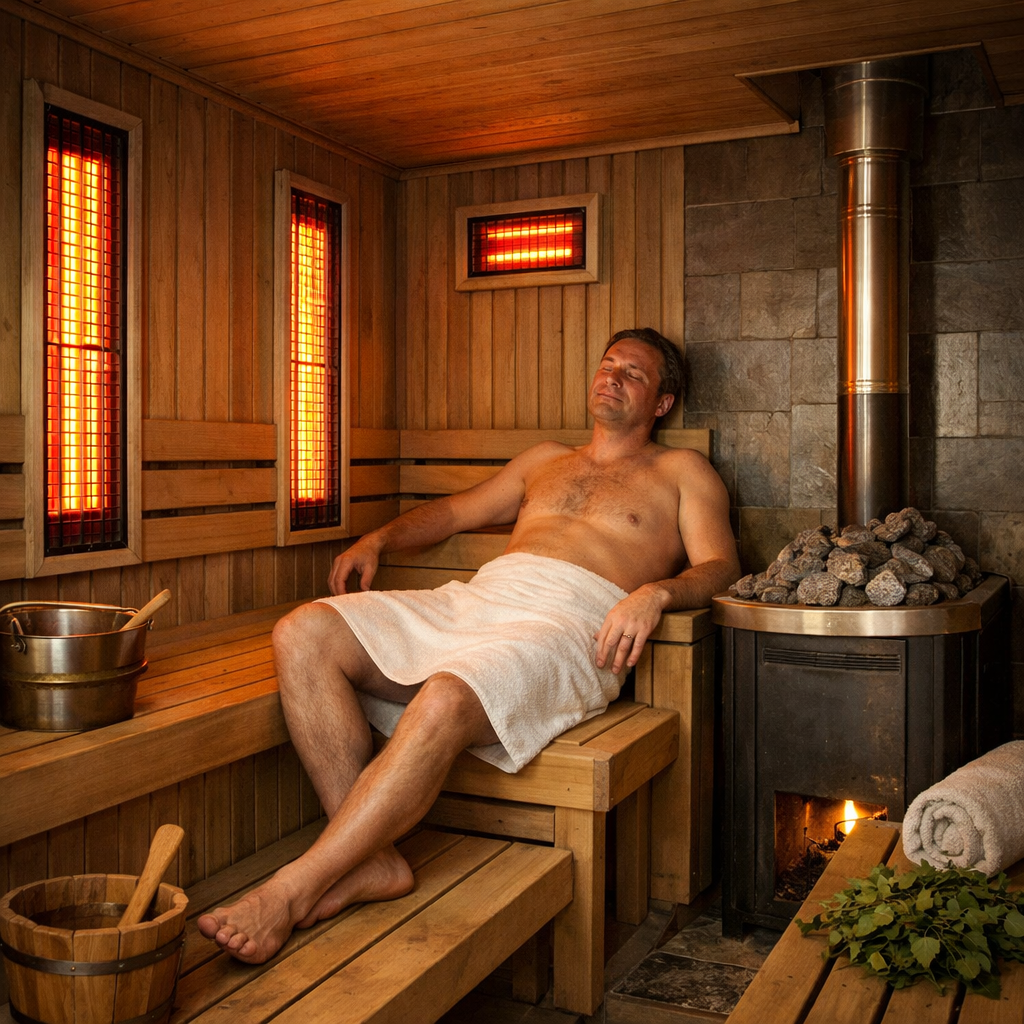
Space‑wise, hybrids can fit in a 4‑by‑6‑foot footprint because the infrared panels don’t need extra clearance. That makes them a solid choice for smaller backyards.
Because the unit combines two systems, warranty claims can be tricky. Look for brands that offer a single, unified warranty covering both heater types.
Bottom line:If you want both low‑temp infrared comfort and high‑heat Finnish punch in one box, a combination sauna is the answer.
6. Portable Infrared Saunas: Space‑Saving Solution
Portable FIR pods are essentially a heated tent that folds flat when not in use. They usually hold one person and plug into a standard 120 V outlet.
The Homestead Supplier review notes that portable units heat up in 5‑10 minutes and reach about 120°F, enough to trigger sweat without overwhelming a small room (Homestead Supplier). They’re perfect for apartments, RVs, or a spare corner of a garage.
Because the head sticks out of the tent, you’ll breathe cooler ambient air, which many users say feels less claustrophobic. The downside is you miss the full‑body enclosure of a built‑in sauna.
Materials are lightweight fabric and plastic frames. Over time the fabric can wear, especially if you store the pod in a hot, sunny garage. Expect a lifespan of 3‑5 years for heavy use.
Cost is low , many entry‑level portable FIR units sit under $2,000. That’s a fraction of a full‑size sauna, and the electricity bill stays under $5 a month.
One real‑world use case: a personal trainer in Palm Desert keeps a portable pod in the gym’s locker room for quick post‑workout recovery. The trainer reports faster muscle relaxation and lower perceived soreness.
“It’s like having a mini‑spa in my closet.” , a portable sauna owner.
Bottom line:If space, budget, and flexibility are your top concerns, a portable infrared sauna checks the boxes.
7. Outdoor Traditional Saunas: A Backyard Luxury
Outdoor Finnish‑style saunas bring the classic high‑heat ritual to your patio. They’re built to handle winter lows, snow loads, and the desert’s scorching sun.
According to Almost Heaven, outdoor units use Harvia electric heaters ranging from 6‑9 kW, so you’ll pay $15‑$30 a month for electricity (Almost Heaven). The wood is typically Western Red Cedar or thermally‑modified spruce, both of which resist rot and stay warm to the touch even in sub‑zero weather.
Installation requires a 240 V dedicated circuit, a solid foundation (concrete slab or gravel pad), and proper ventilation. A typical DIY kit can be assembled by two people in a weekend, but you’ll need an electrician for the wiring , expect $800‑$1,200 in labor.
Cold‑climate performance matters. The Haven of Heat guide explains that barrel‑shaped outdoor saunas shed snow naturally, reducing roof‑load risk, while cabin‑shaped units keep a two‑tier bench for hot‑air stratification (Haven of Heat). Choose a barrel if you want faster heat‑up in winter; choose a cabin if you need upper‑bench heat.
Because the air is heated, you can still pour water over stones for a burst of steam , the classic “löyly” that Finns love. That steam can raise humidity to 10‑15%, enough to make the skin feel soft without turning the room into a wet tub.
From a wellness angle, the same Finnish studies that support indoor saunas also apply outdoors. Regular use can cut blood pressure, improve arterial health, and lower dementia risk , the same benefits seen in the PubMed research cited earlier.
Explore the best outdoor sauna picks for a desert backyard and see how a high‑quality unit can become the centerpiece of your home oasis.
Bottom line:When you want the genuine Finnish experience, high heat, and a backyard focal point, an outdoor traditional sauna is the ultimate choice.
Frequently Asked Questions
What temperature range should I expect from an infrared sauna?
Infrared units usually operate between 110°F and 150°F (43‑66°C). The lower air temperature makes them comfortable for longer stays, and the infrared panels heat the body directly, so you’ll start sweating within five minutes. Some full‑spectrum models can push to 170°F, but most residential units stay under 150°F.
How does the energy cost of an infrared sauna compare to a traditional one?
Entry‑level FIR saunas draw about 1.5‑3 kW, costing $5‑$10 a month. Traditional Finnish saunas need 6‑9 kW, which translates to $15‑$30 monthly. Premium full‑spectrum FIR models can use up to 15 kW, narrowing the gap, but most users find FIR cheaper to run.
Can I install a traditional sauna on a 120 V circuit?
No. Traditional Finnish heaters need a 240 V dedicated circuit because they draw far more power than a standard outlet can supply. Trying to run one on 120 V can overload the wiring and create a fire hazard. Always hire a licensed electrician for a proper install.
Is the health benefit data stronger for one type over the other?
Traditional saunas have a larger research base, with long‑term Finnish studies linking regular use to lower heart disease and dementia risk. Infrared research is newer but still shows cardiovascular improvements and pain relief, especially for people who can’t tolerate high heat. Both types boost circulation and detox, so the choice often comes down to comfort and temperature tolerance.
Do steam banyas require special wood?
Yes. Because steam keeps the wood constantly moist, you need rot‑resistant species like cedar or thermally‑modified spruce. These woods handle repeated wetting and drying cycles without warping, which is critical for a banya that sees daily steam bursts.
How long does a traditional sauna take to preheat?
Most 6‑kW heaters need 40‑60 minutes to reach full temperature. Larger 9‑kW heaters can cut that time in half, reaching 150‑180°F in about 20‑30 minutes, especially if the room is well insulated.
Are portable infrared saunas safe for daily use?
Portable FIR pods are safe for daily short sessions (10‑20 minutes). They run on low wattage and have built‑in safety cut‑offs. However, because the fabric can wear, inspect the unit regularly for tears or loose wiring, and avoid using it if the tent shows signs of damage.
Conclusion
Choosing the right sauna hinges on three things: how hot you like it, how much space and money you have, and which health benefits matter most to you. Far‑infrared gives gentle, fast heat and modest energy use. Near‑infrared targets circulation and joint comfort. Traditional Finnish saunas deliver classic high heat, strong research backing, and the beloved löyly steam ritual. Steam banyas add humidity and a social vibe. Hybrids let you switch between the two worlds, while portable FIR pods bring a budget‑friendly option to tight spaces. Outdoor Finnish units turn your backyard into a year‑round wellness retreat.
Ready to turn your home into a personal spa? Check out Luxury Hot Tubs’ curated sauna collection and get a free design consultation today. You’ll find models that match every budget and climate, plus expert installation support that keeps your desert oasis running smoothly.
Whatever style you pick, consistency is key. Regular sessions , three to five times a week , will let you reap the cardiovascular, detox, and mood‑lifting benefits that research consistently shows. Start with a short 10‑minute session, listen to how your body feels, and build up from there. Your health, relaxation, and home value will thank you.