
Most homeowners think a sauna or a steam room is a luxury add‑on you either can’t afford or don’t need. The truth? Both fit nicely into a modern backyard spa and cost about the same for a two‑person unit. The real decision comes down to heat style, upkeep, and what you want out of the experience. In this guide you’ll meet eight solid picks, learn how they work, and see a quick checklist to match them to your space and health goals.
And if you’re ready to turn your yard into a private retreat, keep an eye out for a mid‑article offer from Luxury Hot Tubs , they’ll help you get the right unit installed fast.
1. Traditional Finnish Sauna , Classic Dry Heat
When you picture a sauna, you probably imagine a wood‑lined cabin, a stove of hot rocks, and a wave of dry heat that makes you sweat in minutes. Traditional Finnish saunas hit 150‑200 °F (65‑93 °C) and keep humidity low , usually 5‑20 % unless you splash water on the stones. That low humidity lets sweat evaporate quickly, cooling your skin while still driving a deep cardiovascular response.
Health‑wise, the dry heat is linked to lower risk of fatal heart events, better sleep, and reduced depression symptoms. Studies from Finnish cohorts show regular sessions (4‑7 times a week) cut all‑cause mortality by about half. The heat also opens pores, helping skin detox.
Installation is straightforward: you need a wood‑framed box, proper ventilation, and an electrician for the heater. No drainage or waterproofing is required, which keeps hidden labor costs low.
Maintenance is “remarkably low‑maintenance.” A quick wipe down after each use and an occasional rock‑change keep the unit running for years.
Cost-wise, a decent two‑person electric model runs $2,000‑$3,500, matching the price of many steam‑room kits.
For a deeper dive on the temperature ranges and safety tips, see the research from Buffalo University’s recreation guide. It explains how the “rule of 200” helps you balance heat and humidity for comfort.
Bottom line:If you crave intense, fast‑acting heat with simple installation, the traditional Finnish sauna is the go‑to choice.
2. Infrared Sauna , Gentle Warmth for Muscles
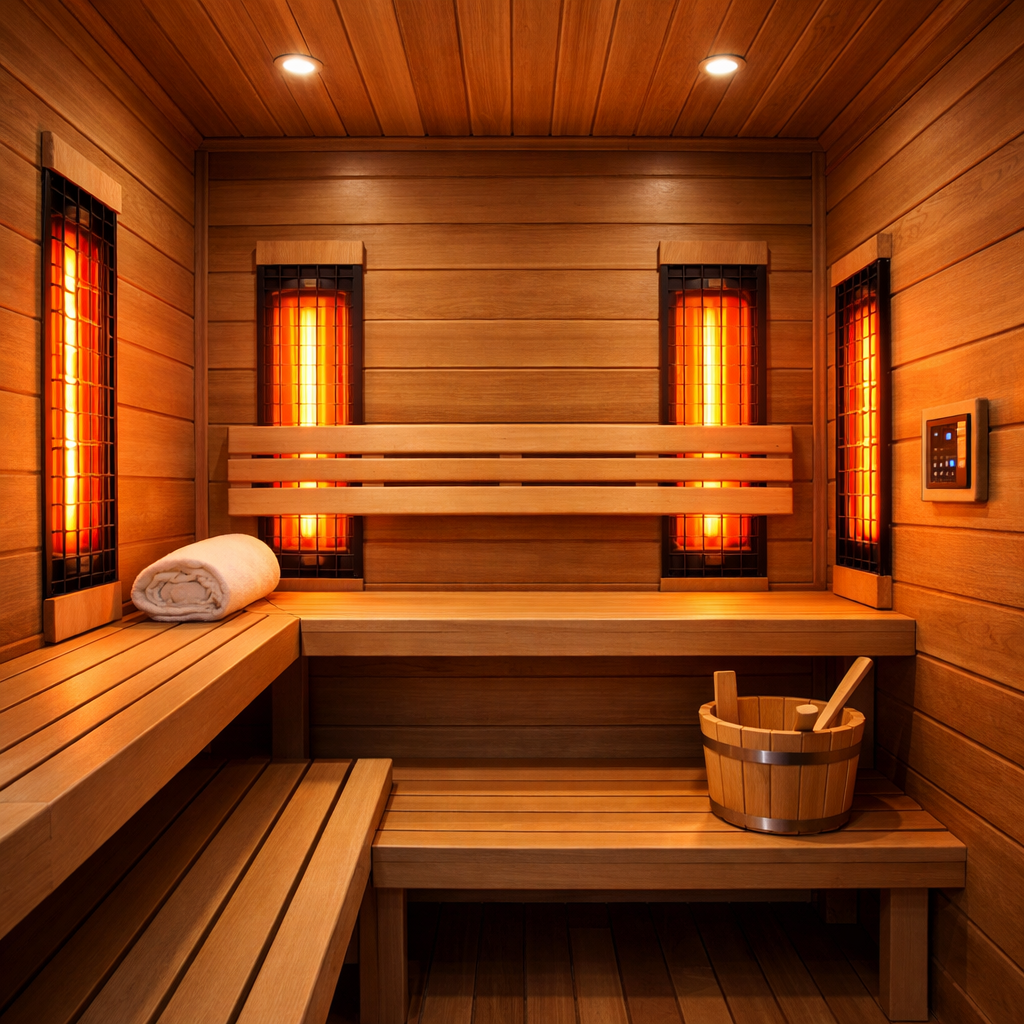
Infrared saunas heat your body directly with far‑infrared panels rather than heating the air. The cabin stays around 120‑140 °F (49‑60 °C), but the radiant energy penetrates 1‑2 inches into skin, prompting a deep sweat without the oppressive heat.
That gentler temperature makes the experience more breathable for people who find dry heat uncomfortable. It’s also a favorite among athletes because the lower heart‑rate strain still boosts blood flow and activates heat‑shock proteins that aid muscle repair.
Backyard Discovery’s research shows post‑exercise infrared sessions improve recovery time, reduce inflammation markers, and support better sleep after tough workouts.
Installation is a breeze: most models plug into a standard 120 V outlet, and you don’t need any plumbing. You can fit one in a spare bathroom, a garage nook, or even a closet.
Maintenance is simple , just wipe the glass and keep the panels dust‑free. Some units offer built‑in chromotherapy and Bluetooth speakers for a spa‑like vibe.
Price points range from $1,500 for a basic two‑person kit to $6,000 for a premium model with advanced controls.
Bottom line:Infrared saunas give you muscle‑focused heat at lower temperatures, perfect for recovery and daily use.
3. Portable Steam Shower , Compact Steam Experience
A portable steam shower is essentially a sealed shower stall with a built‑in steam generator. It fits in a standard bathroom footprint (as small as 32″×32″) and can double as a regular shower.
Steam temperature stays between 100‑115 °F (38‑46 °C) with 100 % humidity, creating an enveloping mist that relaxes the lungs and opens sinus passages. The high moisture makes the heat feel more intense than a sauna at the same temperature.
These units often include digital controls, chromotherapy lighting, and Bluetooth speakers , all packed into a prefabricated kit you can install in a day.
Installation involves plumbing the generator to a water line and wiring a dedicated 240 V circuit. Compared to a full steam room, the labor cost is modest, but you still need a waterproof seal on the enclosure.
Cost ranges from $1,500 for a basic kit to $6,000 for a fully tiled custom version.
Below is a quick look at the main pros and cons.
- Pros: Small footprint, dual‑function shower, fast heat‑up.
- Cons: Limited space for multiple users, requires a sealed cabinet.
“A well‑built steam shower can feel as immersive as a spa‑grade steam room, but at a fraction of the cost.”
Bottom line:Portable steam showers give you full‑steam therapy in a compact, bathroom‑friendly package.
4. Built‑In Home Steam Room , Luxury Spa‑Style
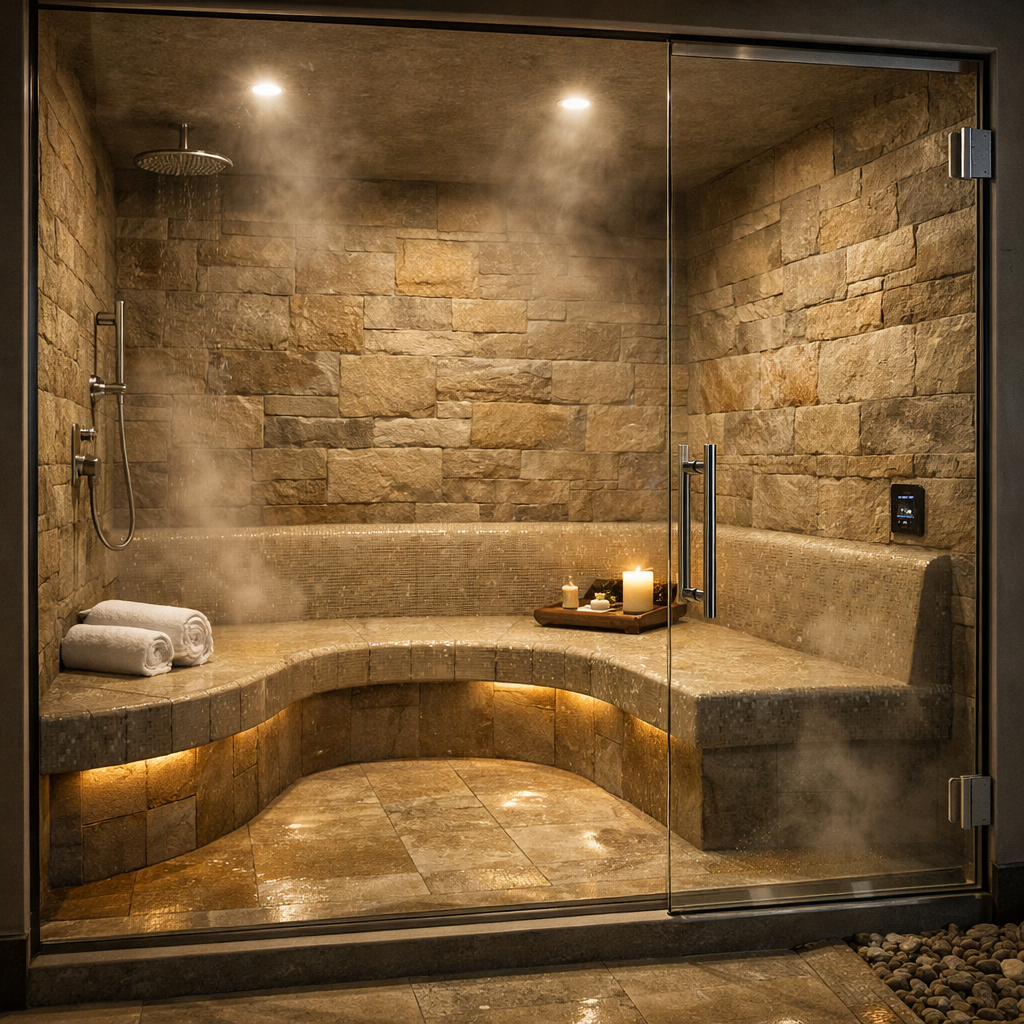
A built‑in steam room is a dedicated, fully tiled space that runs a high‑capacity steam generator. It stays at 110‑120 °F (43‑49 °C) with 100 % humidity, delivering a soft, all‑around heat that wraps the body.
Because the room is sealed, the steam penetrates every surface, creating a softer, more immersive experience than a steam shower. The thermal mass of tile and stone absorbs heat and releases it slowly, so the environment stays warm even after the generator shuts off.
Design considerations include proper waterproofing, a sloped ceiling to divert condensation, and a strong ventilation system to prevent mold. You’ll also need a dedicated 240 V circuit and possibly a separate HVAC adjustment.
Typical costs start around $8,000 for a modest 4×6 ft room and can climb above $20,000 for high‑end finishes and custom glass doors.
Maintenance means regular cleaning of the tile and checking the generator for mineral buildup, especially in desert climates like the Coachella Valley.
Bottom line:Built‑in steam rooms offer a spa‑like atmosphere but require significant space, waterproofing, and higher upfront costs.
5. Combination Sauna‑Steam Hybrid , Best of Both Worlds
Hybrid units blend a traditional heater with infrared panels in the same cabin. You can flip a switch to run either high‑heat dry sauna mode (150‑190 °F) or low‑temp infrared mode (120‑130 °F) , but never both at once.
This flexibility lets households with differing preferences share one space. One person can enjoy a quick, intense Finnish‑style session while another opts for a longer, gentler infrared soak.
The hybrid design still needs a 240 V circuit for the traditional heater, but the infrared panels draw only a standard 120 V outlet. Installation is a bit more involved than a single‑mode unit because of the extra controls.
Price points typically sit between $5,000 and $9,000 for a quality home model.
Wellness One Group outlines the safety guidance: never run the heater and infrared panels together, and always follow the manufacturer’s ventilation recommendations.
Wellness One Group’s safety guide explains how to operate a hybrid safely and get the most out of each mode.
Bottom line:If you want both traditional and infrared options without buying two units, the hybrid is the smartest compromise.
How to Choose the Right Heat Therapy for You
Picking the right option isn’t about which is “best” in a vacuum , it’s about matching heat type, space, budget, and health goals.
Ask yourself these quick questions:
- Do you prefer a quick, intense sweat or a longer, milder session?
- How much space can you allocate?
- Are you comfortable handling plumbing and waterproofing?
- Which health outcomes matter most to you?
Morning Brew notes that the sauna market is booming, with more homeowners adding heat therapy spaces for both health and social reasons. That trend means you’ll find plenty of contractors experienced with these installations.
Bottom line:Use the matrix above to line up your priorities with the right heat‑therapy type.
FAQ
What’s the biggest temperature difference between a sauna and a steam room?
Traditional Finnish saunas run hotter, typically 150‑200 °F (65‑93 °C), while steam rooms stay cooler at 110‑120 °F (43‑49 °C). The higher heat in a sauna creates a rapid sweat response, whereas the 100 % humidity in a steam room makes the lower temperature feel just as intense.
Do I need a plumber to install a steam shower?
Yes. A steam shower relies on a generator that must be plumbed to a water line and wired to a dedicated 240 V circuit. A qualified plumber can handle the pipework, and an electrician will finish the wiring. The whole job usually takes one to two days.
Can infrared saunas help with chronic joint pain?
Research shows infrared heat penetrates deeper into muscles and joints, increasing blood flow and reducing inflammation. Users often report less stiffness after regular sessions, making infrared a solid option for mild joint discomfort.
How often should I clean my built‑in steam room?
Because of the constant moisture, you should wipe down surfaces after each use and do a thorough tile and sealant cleaning weekly. Schedule a professional deep‑cleaning every 3‑6 months to keep mold at bay, especially in humid climates.
Is it safe to use a sauna if I have high blood pressure?
Most studies suggest moderate sauna use can actually lower blood pressure over time, but it’s important to stay hydrated and avoid staying in too long. If you have uncontrolled hypertension, talk to your doctor before starting any heat‑therapy routine.
What’s the energy cost difference between a traditional sauna and an infrared unit?
Traditional electric saunas draw 4‑8 kW and may run for an hour, costing roughly $0.70‑$1.00 per session at the average U.S. electricity rate. Infrared units use about 1‑2 kW, so a 30‑minute session typically costs under $0.30. The lower power draw makes infrared a more budget‑friendly daily habit.
Conclusion
Choosing between a sauna and a steam room isn’t about picking a winner; it’s about fitting the right heat experience into your life. Traditional Finnish saunas give you high heat, quick sweat, and low upkeep. Infrared saunas offer gentler, muscle‑focused warmth with simple plug‑in setup. Portable steam showers bring full‑steam therapy into a bathroom without a major remodel, while built‑in steam rooms create a spa‑like sanctuary at a higher cost and installation effort. Hybrids let you switch between intense dry heat and soothing infrared in the same cabin.
Think about your space, budget, and health goals, then use the comparison matrix to narrow down the best fit. Once you’ve decided, a professional installer like Luxury Hot Tubs can handle the design, electrical work, and water‑care plan to ensure your new wellness hub works flawlessly in the Coachella Valley heat.
Start your journey today , explore the options, set a budget, and contact a trusted installer. Your personal retreat is just a few steps away.