
Heat makes muscles heal faster. That’s why athletes are turning to the sauna after hard workouts. In this guide you’ll see how sauna for muscle recovery works, what the research says, and how to build a safe, effective routine.
What Is Sauna Therapy and Its Impact on Muscles
Sauna therapy means sitting in a hot enclosure long enough for your core temperature to rise. Traditional Finnish saunas heat the air to 80‑100 °C, while infrared models warm the body directly at lower temperatures. Both trigger a cascade of physiological responses that affect muscle tissue.
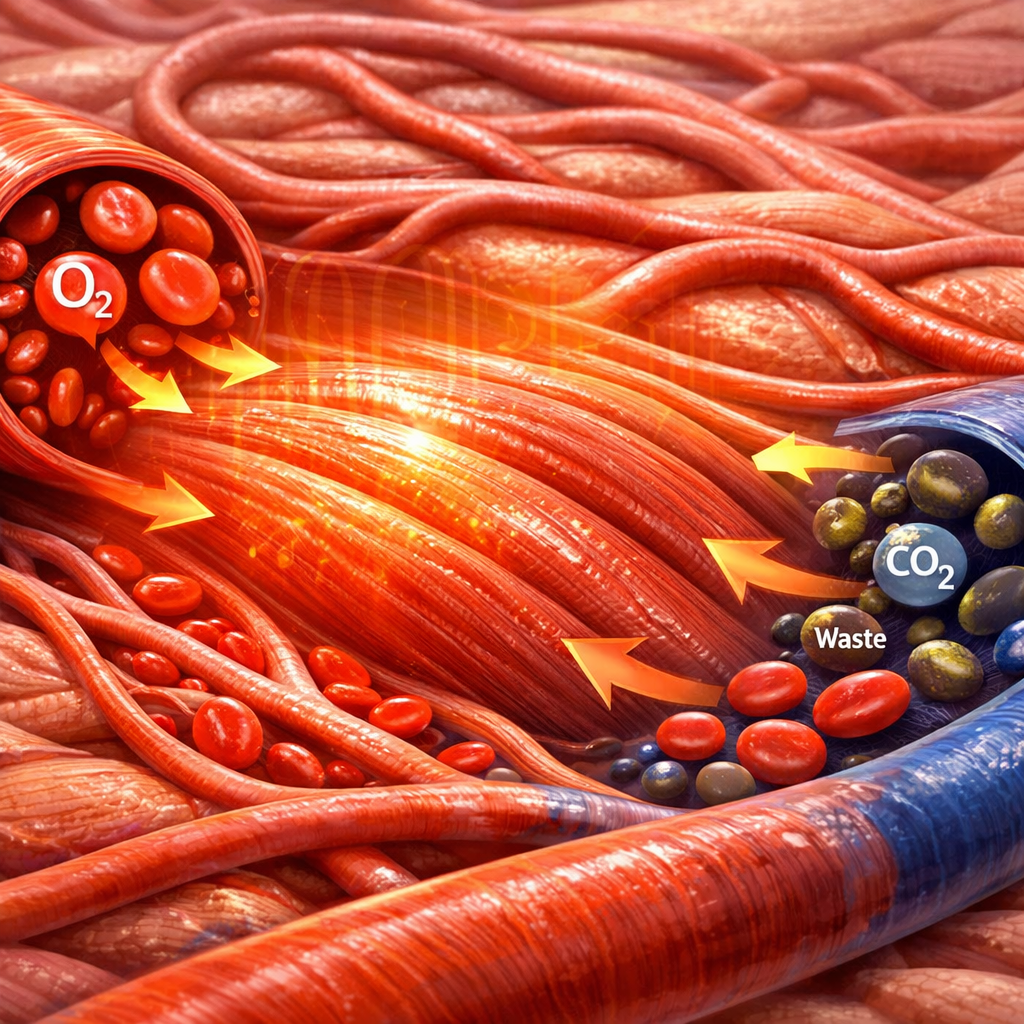
When you step into the heat, thermoreceptors in the skin signal the hypothalamus. The nervous system ramps up heart rate, breathing, and blood flow to the skin. This acute response mirrors moderate‑intensity exercise, delivering extra oxygen and nutrients to working muscles.
“Heat exposure activates many of the same pathways as exercise, making it a powerful recovery tool.”
Beyond the short‑term surge, regular sauna sessions produce chronic adaptations. Blood plasma volume expands, sweat rate improves, and the cardiovascular system becomes more efficient. Those changes create a better environment for muscle repair after each training bout.
Research on high‑temperature (100 °C) sauna baths shows modest gains in muscle mass and bone density after 12 sessions in healthy young men. The study measured body composition with DXA and found a 1 % increase in leg muscle mass for the sauna group versus control (peer‑reviewed trial). While the temperature is extreme, the key takeaway is that repeated heat stress can stimulate anabolic pathways such as Akt/mTOR, which drive protein synthesis in skeletal muscle.
Physiological Benefits of Heat for Muscle Recovery
Heat does more than make you sweat. It changes the chemistry inside your fibers.
First, blood flow spikes. Vessels dilate, delivering fresh oxygen and clearing lactate faster. Second, muscle temperature rises, which speeds up enzymatic reactions that rebuild glycogen stores. Third, heat‑shock proteins (HSPs) are produced; they act like molecular chaperones, protecting proteins from damage and helping repair contracts that were torn during eccentric work.
Local heat therapy (HT) studies on knee extensors showed that 90‑minute HT protocols restored fatigue resistance faster than a neutral control. Participants also reported less soreness after repeated bouts (clinical review). The mechanisms listed in the review include improved vascular shear stress, mitochondrial function, and accelerated protein synthesis.
Imagine you just finished a heavy leg day. Your muscles are sore, glycogen is low, and inflammatory markers are climbing. A 20‑minute infrared session at 43 °C can raise intramuscular temperature enough to jump‑start glycogen resynthesis while HSPs shield contractile proteins from breakdown.
Optimal Sauna Protocols for Post‑Workout Recovery
Knowing the science is only half the battle. The next step is to set a protocol that matches your goals, fitness level, and schedule.
Across 31 published protocols the average temperature sits at 55 °C, with sessions lasting about 24 minutes, three times per week. Low‑temperature infrared protocols (35‑50 °C) often use 10‑15 minute bouts but achieve similar or better performance gains than hotter traditional saunas.
Below is a decision‑matrix you can use to pick a starting point. Adjust the numbers as you gauge tolerance.
Start with the “Reduce DOMS” column if you’re new. Warm up with a 5‑minute cool‑down after your workout, then wait 10‑15 minutes before entering the sauna. This pause lets heart rate settle and avoids over‑taxing the cardiovascular system.
Hydration is non‑negotiable. Drink 200‑250 ml of water before you step in, and sip lightly during the session. If you’re sweating heavily, add an electrolyte drink.
Remember that consistency beats intensity. Missing sessions resets the adaptation signal, so aim for a rhythm that you can keep for at least six weeks before reassessing.
Safety Considerations and Contraindications
Heat feels great, but it isn’t risk‑free. The biggest hazards are dehydration, heat‑related cardiovascular stress, and exacerbating existing medical conditions.
People with uncontrolled hypertension, recent heart attacks, or severe arrhythmias should get medical clearance before using a sauna. The same goes for anyone on blood‑pressure‑lowering medication; the combined effect of heat‑induced vasodilation can cause a sudden drop in pressure.
A randomized trial that paired regular exercise with 15‑minute post‑exercise sauna sessions found a modest drop in systolic blood pressure (‑8 mmHg) and a boost in cardiorespiratory fitness. The study noted that participants who hydrated properly and avoided sessions longer than 20 minutes experienced no adverse events (clinical trial). That suggests a safe window for most healthy adults.
Key safety rules:
- Check your heart rate. If it climbs above 130 bpm quickly, exit.
- Never enter if you feel dizzy, nauseous, or unusually fatigued.
- Limit sessions to 20‑30 minutes for beginners; seasoned users may stretch to 45 minutes.
Comparing Traditional vs Infrared Saunas for Recovery
Both sauna types raise core temperature, but they do it in different ways.
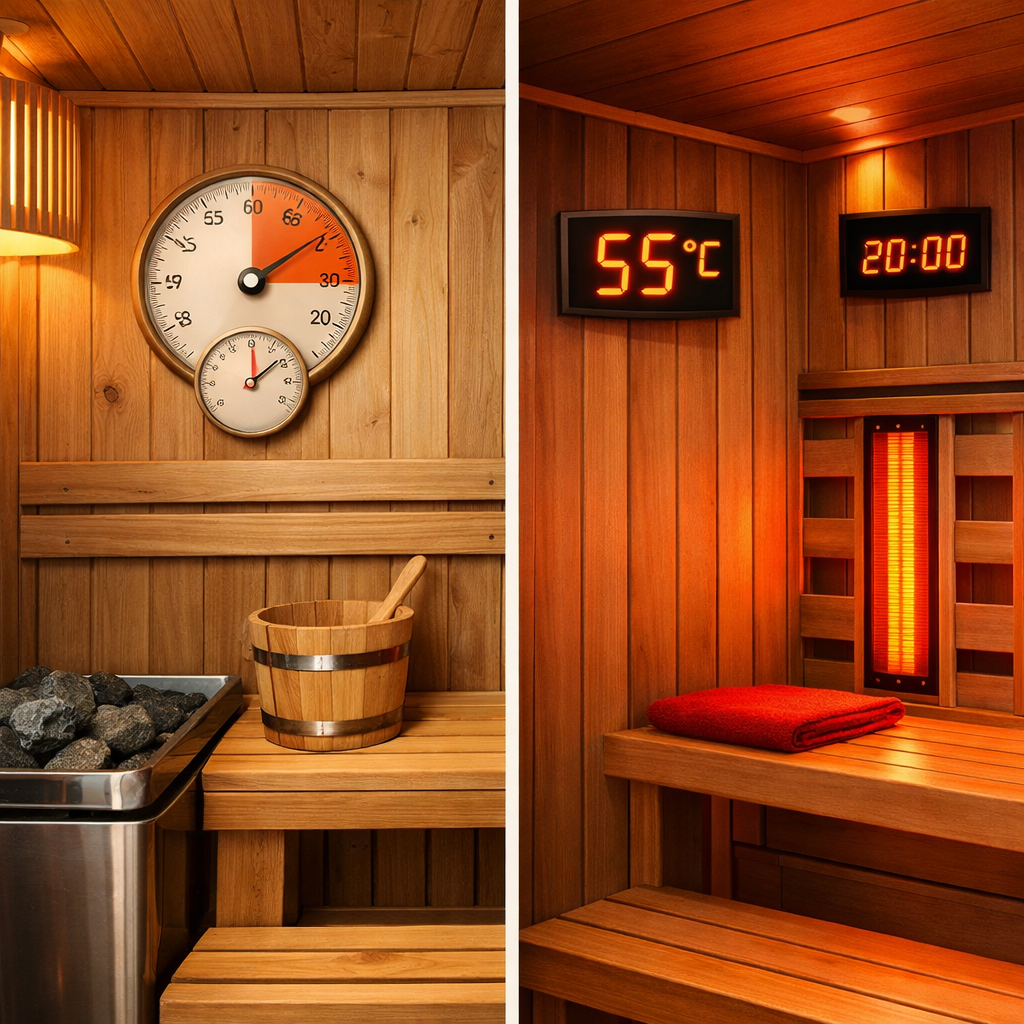
Traditional Finnish saunas heat the air, which then warms the skin. Temperatures often exceed 80 °C, creating a rapid, intense sweat. Infrared saunas use light panels that penetrate the skin, allowing a comfortable ambient temperature (40‑60 °C) while still delivering deep‑tissue heat.
Research published in a reputable physiology journal found that far‑infrared saunas cause a smaller rise in core temperature and therefore a milder cardiovascular load. The same study reported that the infrared modality still boosted blood flow enough to aid muscle recovery, but the effect on heart rate was less pronounced.
For athletes who want a gentler heat stress, perhaps because they’re training multiple sessions per day, infrared may be the better fit. Those who crave the classic “sweat‑it‑out” experience and want a stronger cardiovascular stimulus might prefer a traditional sauna.
Usable tip: If you’re new to heat therapy, start with an infrared session to let your body adapt, then experiment with short bursts in a traditional sauna once you’re comfortable.
Integrating Sauna Sessions Into Your Training Routine
Putting sauna into a weekly plan is like adding another training block. Timing, frequency, and progression matter.
Post‑workout sauna is the most common approach. After a strength session, wait 10‑15 minutes for heart rate to settle, then spend 15‑20 minutes in a moderate‑heat sauna. This window aligns the post‑exercise hormonal surge (testosterone, growth hormone) with the heat‑induced boost, extending the anabolic window.
Pre‑workout sauna can also be useful, but only as a brief warm‑up (5‑8 minutes). The heat loosens connective tissue, increasing joint range of motion and potentially lowering injury risk. Longer pre‑workout heat exposures can sap energy stores and impair performance, so keep it short.
Consistency is key. A usable schedule for a 4‑day split might look like this:
- Monday: Strength + post‑workout sauna (20 min, 55 °C)
- Tuesday: Light cardio, no sauna
- Wednesday: HIIT + short pre‑workout sauna (8 min, 45 °C)
- Thursday: Rest day, optional gentle infrared session (15 min, 43 °C)
- Friday: Power training + post‑workout sauna (20 min)
Track your progress. Note perceived soreness, performance metrics, and any changes in resting heart rate. Adjust temperature or duration if you notice lingering fatigue.
For homeowners in the desert, a well‑insulated sauna that can handle 115 °F summers is essential. Best Sauna vs Steam Room Options for Home Wellness provides a quick guide to picking a unit that survives extreme heat while still delivering recovery benefits.
FAQ
Can I use a sauna every day?
Daily use is safe for most healthy adults as long as each session stays under 20‑30 minutes and you stay well‑hydrated. Beginners should start with three sessions per week and gradually add more days if they feel comfortable. Watch for signs of over‑heating such as dizziness or excessive fatigue, and always give your body a rest day if you notice lingering soreness.
What temperature is best for muscle recovery?
Research points to a sweet spot of 43‑55 °C (110‑130 °F). Infrared saunas typically sit at the lower end of that range, while traditional Finnish saunas can reach the higher end. The key is to raise muscle temperature by 2‑3 °C without pushing core temperature above 39 °C, which can cause unwanted cardiovascular strain.
How long should a post‑workout sauna session last?
Most protocols recommend 15‑20 minutes for a moderate‑heat infrared session and 20‑30 minutes for a traditional sauna. Shorter sessions (10 minutes) still provide a measurable benefit if you’re new to heat therapy. Always start at the low end and increase duration as your tolerance improves.
Do I need to drink water before entering?
Yes. Aim for 200‑250 ml of water 15 minutes before you step in, and keep a bottle handy inside the sauna to sip every few minutes. If you sweat heavily, an electrolyte drink can replace lost sodium and potassium, helping you avoid cramping.
Is sauna use safe for people with high blood pressure?
Sauna can actually lower systolic blood pressure over time, but the acute drop during a session may cause dizziness in some individuals. If you have hypertension, start with low‑temperature infrared sessions, monitor your blood pressure before and after, and discuss a plan with your doctor. Avoid alcohol, which can amplify the blood‑pressure‑lowering effect.
Should I combine sauna with other recovery tools?
Contrast therapy, alternating hot sauna and a brief cold plunge, has been shown to improve circulation and reduce inflammation faster than heat alone. Foam rolling, gentle stretching, and adequate protein intake complement the sauna’s benefits. Just be sure to keep the cold exposure short (30‑60 seconds) to avoid shocking the system.
Conclusion
Sauna for muscle recovery works because heat mimics many of the same physiological stresses that exercise creates. It spikes blood flow, fuels glycogen replenishment, and triggers heat‑shock proteins that protect and rebuild muscle fibers. The science backs both traditional and infrared approaches, with each offering a distinct blend of cardiovascular load and comfort.
To get the most out of sauna therapy, start with a modest 15‑minute post‑workout session at 43‑55 °C, stay hydrated, and track how your body responds. Gradually increase duration or temperature as tolerance grows, and always respect contraindications such as uncontrolled heart conditions.
Ready to explore more about heat‑based recovery? on heat therapy on Wikipedia for deeper science and additional protocols. Incorporating regular sauna sessions into your training plan can become a low‑effort, high‑return habit that helps you bounce back faster and train stronger.