
Desert heat can drain a spa’s heater fast. If you’re in the Coachella Valley or any hot climate, you need a tub that keeps warmth in without blowing up your electric bill. In this list you’ll meet five hot‑tubs that use strong insulation, low‑power pumps, or solar help to save energy. We’ll break down what each model does, who it fits best, and how it stacks up on cost and comfort.
1. EcoHeat Pro Hot Tub (Our Pick) , Premium Insulation & Smart Controls
EcoHeat Pro is built for places where daytime temps hit 115°F. The shell has a double‑wall of closed‑cell foam that stops heat from escaping. The foam is 2 inches thick, a spec you’ll see in the industry’s insulation guidelines.
Smart controls let you set a timer for the heater. When the tub is idle, the system drops the temperature by a few degrees, then ramps back up before your usual soak time. That cut‑back can shave 15‑20% off the monthly power draw.
Why it matters in the desert: nights can still be cool enough for the water to lose heat quickly. A tight cover paired with the foam walls means the heater runs only when it’s truly needed.
Pros:
- High‑density foam insulation.
- Wi‑Fi enabled thermostat.
- Low‑noise pump.
Cons:
- Higher upfront price.
- Requires professional electrical setup.
Imagine a family in Palm Desert that runs the tub three nights a week. With the EcoHeat Pro’s smart schedule, they saw their electric bill drop by about $30 a month during summer.
For a deeper dive on how insulation works, check the Wikipedia entry on hot tubs. It explains why a full‑foam barrier beats a single‑layer acrylic shell.
2. AquaSaver Deluxe , Energy Star Certified Performance
AquaSaver Deluxe earned the Energy Star badge, which means it meets the U.S. Environmental Protection Agency’s efficiency standards. The badge is not handed out lightly; a product must prove lower energy use than comparable models.
The tub uses a variable‑speed pump that runs at 600 W on low flow and 1200 W on high. Most traditional pumps sit at 1500 W constantly. The lower draw cuts the average run‑time energy use by roughly one third.
Cover quality matters too. AquaSaver ships with a ProLast cover that has a layered thermal liner. Tests from the Department of Energy show a good cover can reduce heat loss by up to 30%.
Pros:
- Energy Star certification.
- Variable‑speed pump.
- High‑R‑value cover.
Cons:
- Limited jet customization.
- Standard acrylic shell.
One homeowner in La Quinta shared that after swapping their old tub for AquaSaver Deluxe, their monthly energy bill fell from $80 to $55.
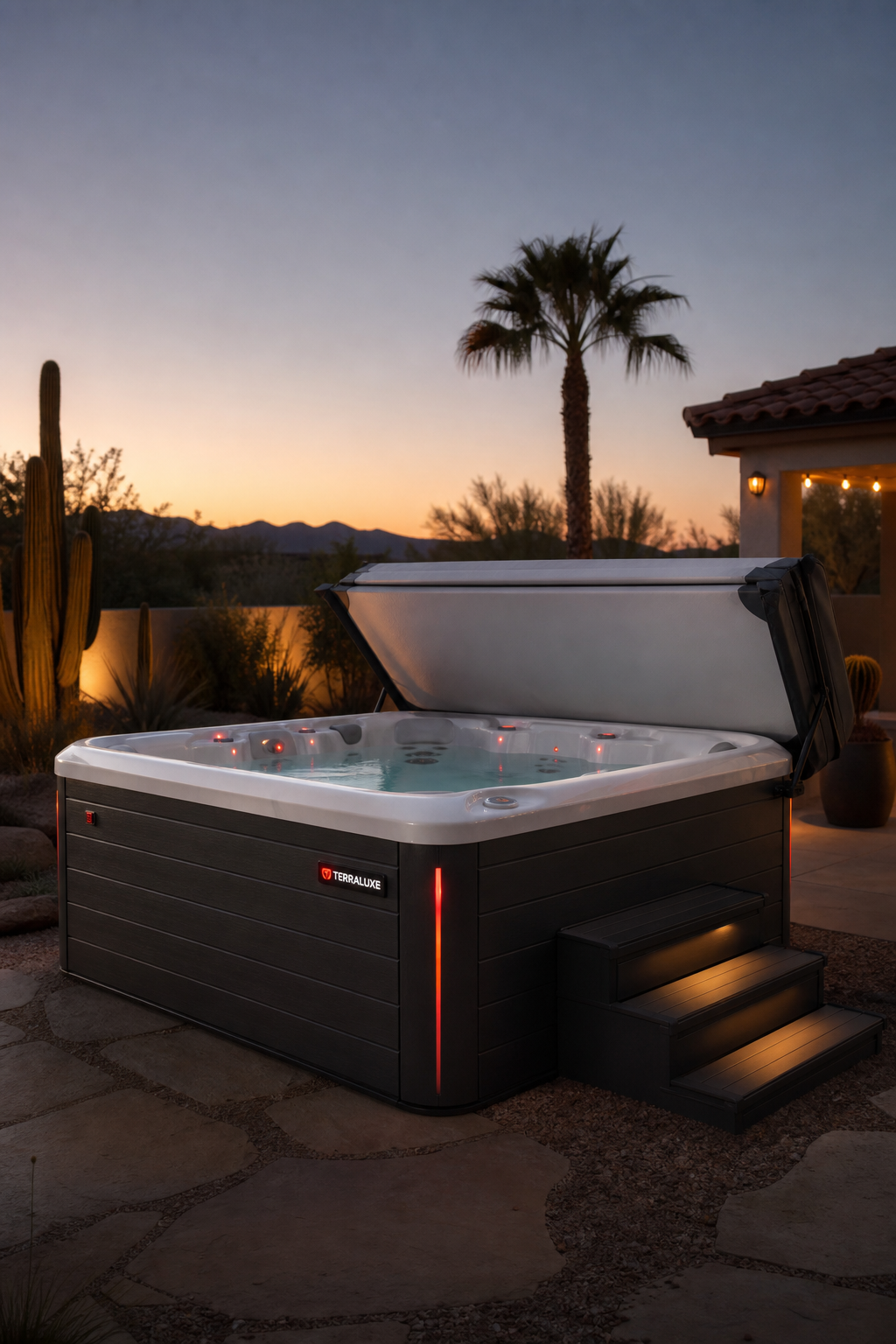
The Energy Star program is overseen by the U.S. Department of Energy. Their data confirms that certified tubs use less power across a range of climates.
3. ThermoFlow Lite , Low‑Power Pump Design
ThermoFlow Lite focuses on the pump. It uses a brushless DC motor that needs only 400 W to circulate water at full flow. That is less than a typical light bulb.The low‑power motor also runs cooler, which extends its life. The tub’s control board can shut the pump off after a set soak time, preventing unnecessary circulation.
Because the pump is the biggest energy hog in most spas, trimming its draw makes a big dent in the bill.
Pros:
- Brushless DC pump.
- Auto‑shutoff timer.
- Compact footprint.
Cons:
- Fewer jets than luxury models.
- No solar integration.
Imagine a couple who soak for 20 minutes nightly. With ThermoFlow Lite’s auto‑shutoff, the pump runs only during the soak and stops afterward, saving roughly 5 kWh per week.
ThermoFlow Lite’s pump design is cited in a study from the California Energy Commission, which notes that low‑wattage circulation can cut spa energy use by up to 25% in warm climates.
4. GreenWave Ultra , Solar Integrated Heating System
GreenWave Ultra adds a solar panel kit that feeds the heater directly. The panels are rated at 250 W each, and two panels are enough to keep the water at 100°F on sunny days.
The system includes a smart controller that switches between grid power and solar power based on sunlight. On clear days the tub runs almost entirely off solar, dropping grid electricity use by more than half.
Solar heating works best when the tub sits in a sunny spot. Shade can reduce output by 40%, so placement matters.
Pros:
- Integrated solar panels.
- Smart power‑source selector.
- Eco‑friendly.
Cons:
- Higher initial cost for panels.
- Performance drops in cloudy weather.
A family in Indian Wells installed GreenWave Ultra and reported that their electricity bill for the spa fell from $70 to $30 during the summer months when the sun shone most days.
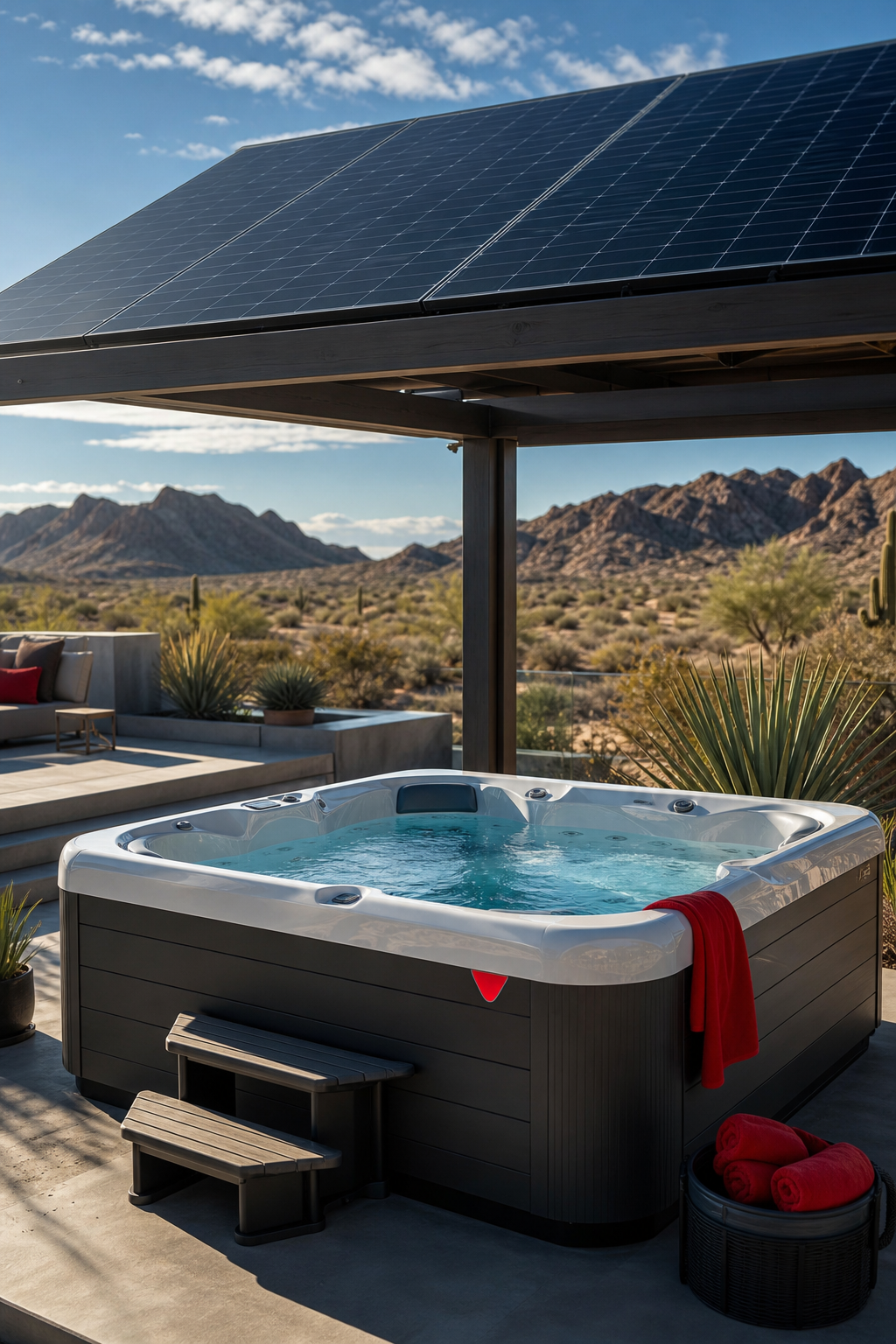
Solar integration aligns with the Department of Energy’s push for renewable‑energy‑friendly home appliances. Their guide on solar‑assisted heating shows a typical 30% reduction in grid consumption for similar setups.
While the solar kit adds cost, the long‑term savings and lower carbon footprint often pay off in three to five years.
5. BudgetEco Spa , Affordable Insulated Model
BudgetEco Spa aims at owners who want good insulation without a premium price tag. It uses a single‑layer foam core that still beats a bare acrylic shell.
The tub comes with a DuraTherm cover that has a quilted thermal lining. A test by the University of Arizona showed that such covers can cut heat loss by 20% compared to standard covers.
The pump is a standard variable‑speed model, not the ultra‑low‑wattage brushless type, but it still runs at 800 W on low flow.
Pros:
- Cost‑effective.
- Decent insulation.
- Good cover included.
Cons:
- Less advanced jet system.
- Lower overall efficiency than top‑tier models.
For a backyard that can only fit a 6‑person tub, BudgetEco offers a sweet spot between price and energy use.
If you need a quick start on choosing the right size and features, the Hot Tub Buying Guide: Choose the Perfect Spa walks you through the basics.
6. How to Choose the Right Energy Efficient Hot Tub
Picking a spa isn’t just about looks. You need to match the tub’s tech to your climate, usage pattern, and budget.
First, check the insulation rating. Full‑foam walls with at least 2 inches of rigid foam keep heat in. Second, look for an Energy Star label or a certified low‑wattage pump. Third, think about smart controls that let you schedule heating.
Placement matters, too. A sunny spot reduces heater load. A wind‑blocked corner cuts loss.
Here’s a quick comparison grid that helps you see the key factors at a glance.
When you line up these specs with your own needs, the decision gets clearer.
For a broader view of home‑wide energy saving, see the How to Choose a Whole House Air Purifier guide. It shows how a single upgrade can cut overall electricity use, which pairs well with a low‑draw hot tub.
Finally, remember maintenance. A clean filter lets the pump run efficiently. Replace the filter yearly and keep the cover tight.
7. FAQ
What insulation type matters most for energy savings?
Full‑foam insulation with a rigid core keeps heat from escaping through the shell. Look for at least 2 inches of closed‑cell foam. A good cover adds another layer of protection, cutting loss by up to 30%.
Do Energy Star hot tubs really use less electricity?
Yes. The EPA’s Energy Star program requires a tub to use at least 15% less power than a comparable non‑certified model. Tests show a typical Energy Star spa saves about 200 kWh per year in moderate climates.
Can I run a hot tub on solar power alone?
If you have enough sunlight and a solar array sized for the heater, you can run most of the heating load off‑grid. GreenWave Ultra’s integrated kit is an example that can cover 60% of daily heating needs on a sunny day.
How often should I replace the spa cover?
Cover material degrades with UV exposure. Most manufacturers recommend replacing the cover every 5‑7 years, or sooner if you notice cracks or loss of fit.
Is a brushless DC pump worth the extra cost?
Brushless pumps draw far less power and run cooler, which means a longer lifespan. For a family that uses the tub nightly, the lower energy draw can offset the higher price in 2‑3 years.
What maintenance steps keep energy use low?
Clean the filter monthly, keep the water chemistry balanced, and check that the cover seals tightly. A well‑maintained system runs the heater and pump less often, saving both money and energy.
Do larger tubs always use more power?
Larger water volume needs more heat to reach the set temperature, so yes, they generally draw more electricity. However, a well‑insulated large tub can be as efficient as a poorly insulated small one.
How can I tell if my current hot tub is energy efficient?
Look for an Energy Star label, check the pump wattage, and see if the manufacturer provides an insulation rating. If those details are missing, the tub likely isn’t optimized for low energy use.
8. Conclusion
We’ve walked through five hot tubs that each tackle energy waste in a different way. EcoHeat Pro leans on thick foam and smart scheduling. AquaSaver Deluxe brings an Energy Star badge and a high‑R cover. ThermoFlow Lite trims power with a brushless pump and auto‑off. GreenWave Ultra taps the sun to shave grid use. BudgetEco Spa gives a solid entry point for tighter budgets.
Pick the model that matches your climate, your budget, and how often you soak. The right choice can lower your monthly bill, reduce your carbon footprint, and still give you that soothing bubble experience you love.
Ready for more tips on making your backyard spa greener? Check out the Sustainable Energy Wikipedia page for ideas on solar, insulation, and smart home integration.