
Walking into a warm, quiet room after a long day feels like a mini‑vacation. Yet most homeowners freeze at the price tag before they even measure a wall. This guide breaks the mystery down. You’ll learn how to size your space, tally every cost component, get solid quotes, handle permits, and keep your sauna cheap to run for years to come.
Step 1: Measure Your Space and Choose a Sauna Type
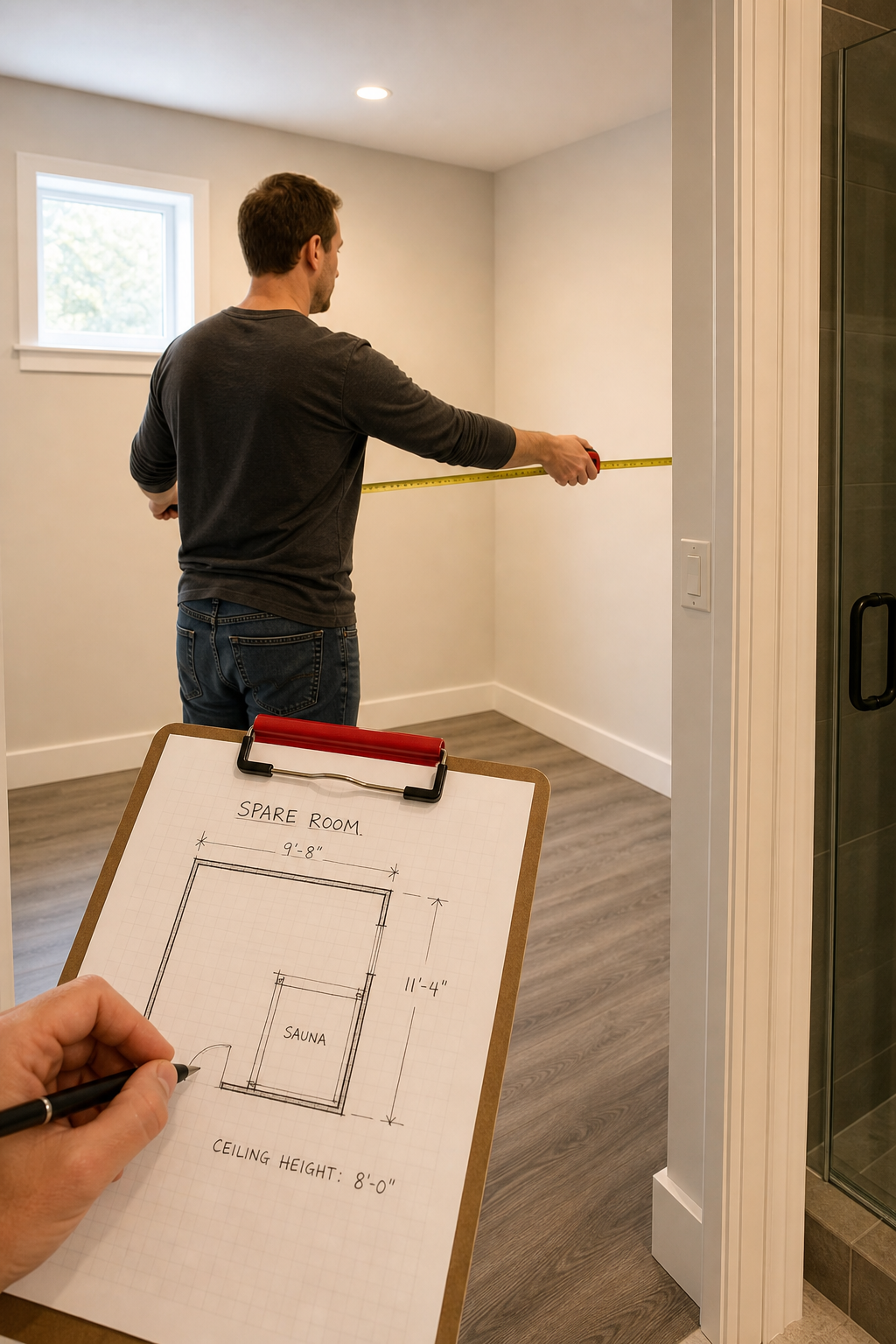
First, figure out where the sauna will live. A spare bathroom, a finished basement nook, or a backyard deck are common spots. Grab a tape measure and note width, length, and ceiling height. Write the numbers down on a sketch. Remember to leave at least a foot of clearance on every side , that gives room for ventilation and easy cleaning.
Next, decide which sauna style fits your lifestyle. Traditional Finnish units heat the air with a rock‑filled heater. Infrared cabins use panels that warm your body directly and usually run on a standard 120‑V outlet. Hybrid models blend both worlds, letting you switch between dry heat and infrared.
Here’s a quick way to compare:
- Traditional: higher temperatures (160‑200°F), longer warm‑up, needs a dedicated 240‑V circuit.
- Infrared: lower temps (120‑150°F), heats fast, can plug into a regular outlet.
- Hybrid: flexible, but often costs more and still may need 240‑V for the heater.
Imagine you have a 4 × 5 ft spare room with a concrete floor. A two‑person infrared model fits snugly, while a traditional three‑person unit would need extra wall space for benches. If you live in the desert, the low‑humidity heat of infrared can feel more comfortable during scorching summers.
When you’ve chosen the type, check the manufacturer’s specs for voltage, heater size, and clearance requirements. For instance, a popular 6 kW Harvia heater calls for a 30‑amp, 240‑V line and a minimum ceiling height of 7 ft. If your space can’t meet those specs, you may need to rethink the model or plan a small remodel.
And don’t forget to think about the vibe. Cedar wood smells great and resists moisture, but it’s pricier than spruce. If you love a modern look, glass‑front models add light but may raise the cost of a custom frame.
Step 2: Understand the Key Cost Components
Now that you know the size and type, break down the budget line by line. Most projects fall into three buckets: materials, labor, and permits.
Materials dominate the spend. of 21 real‑world builds, the average material cost sits at$4,768, roughly 90 % of the total price ( Wikipedia’s sauna page provides background on typical wood and heater choices). This includes the sauna kit, heater, wiring, insulation, and any finishing touches like LED lighting.
Labor is the second biggest factor. The same study shows a median labor bill of $300, but many homeowners report $775 on average when they hire a licensed electrician and a general contractor. If you opt for a DIY kit, you can shave that number dramatically, but you’ll still need a pro for any electrical work that exceeds a standard outlet.
Permits usually bite less. Only five of the 21 cases mentioned needing a building or electrical permit, and those costs ranged from $400 to $2,000. Most indoor prefab kits avoid permits entirely, while custom outdoor builds often trigger both building and electrical approvals.
And here’s a real‑world snapshot: A family in Palm Desert installed a 3‑person infrared cabin for $4,200 in materials, paid $800 for a licensed electrician, and needed no permits. Their total landed at $5,000 , right on the median.
Step 3: Get Quotes from Installers
With a rough budget in hand, start reaching out to pros. A good quote breaks down every line item, so you can compare apples to apples.
Ask three different contractors to visit the site. During the walk‑through, they’ll check ceiling height, floor load capacity, and existing electrical capacity. Make sure each quote includes:
- Material cost (itemized).
- Electrical work , specify whether a new 240‑V circuit is needed.
- Labor hours and hourly rates.
- Permit filing fees, if applicable.
- Warranty terms on workmanship.
When you compare, look for hidden fees. Some installers bundle a “site prep” charge that simply covers moving a few boxes. If the price feels inflated, ask for a detailed explanation.
And don’t overlook licensing. In California, a licensed electrician must handle any wiring over 30 amps. The state’s electrical code (NEC) requires a dedicated double‑pole breaker and proper conduit for sauna heaters ( U.S. Department of Energy outlines safe practices for high‑load appliances).
Here’s a quick checklist you can hand to each contractor:
- Confirm heater voltage and amperage.
- Verify that the proposed circuit meets code.
- Ask for a timeline , most installations finish in 1‑2 days.
- Request proof of insurance.
After you collect the bids, line them up in a simple spreadsheet. Subtract any permit fees you’ll handle yourself, then pick the offer that gives the best mix of price, timeline, and confidence.
And remember, the cheapest quote isn’t always the safest. A well‑installed sauna will last decades; cutting corners on wiring can cost far more in the long run.
Step 4: Consider Additional Costs and Permits
Even after you’ve nailed the core budget, a few extra line items can pop up. Think of them as the “just in case” bucket.
Structural work is one. If you’re converting a closet, you may need to add framing, insulation, and vapor barriers. A typical wall upgrade adds $500‑$1,200, depending on the material.
Ventilation is another hidden cost. Saunas generate moisture, and without proper airflow you can invite mold. A simple roof vent costs $75, while a mechanical exhaust system can run $300‑$600.
Don’t forget about flooring. A concrete slab is ideal, but if you’re on wood decking you’ll need a moisture‑proof sub‑floor. Expect $200‑$800 for a suitable base.
Permits vary by city. In many desert jurisdictions, a building permit is required if you’re erecting a new structure or adding a permanent foundation. An electrical permit is almost always needed for a dedicated 240‑V line. Fees range from $150 for a simple electrical filing to $2,000 for a full building permit on a custom outdoor cabin.
Here’s a short list of common permit triggers:
- New dedicated circuit for a traditional heater.
- Framing or structural changes to create a sauna room.
- Outdoor builds larger than 120 sq ft (some counties waive this).
Skipping permits can lead to fines, forced removal, or insurance headaches. It’s cheaper to pay the fee up front than to redo work later.
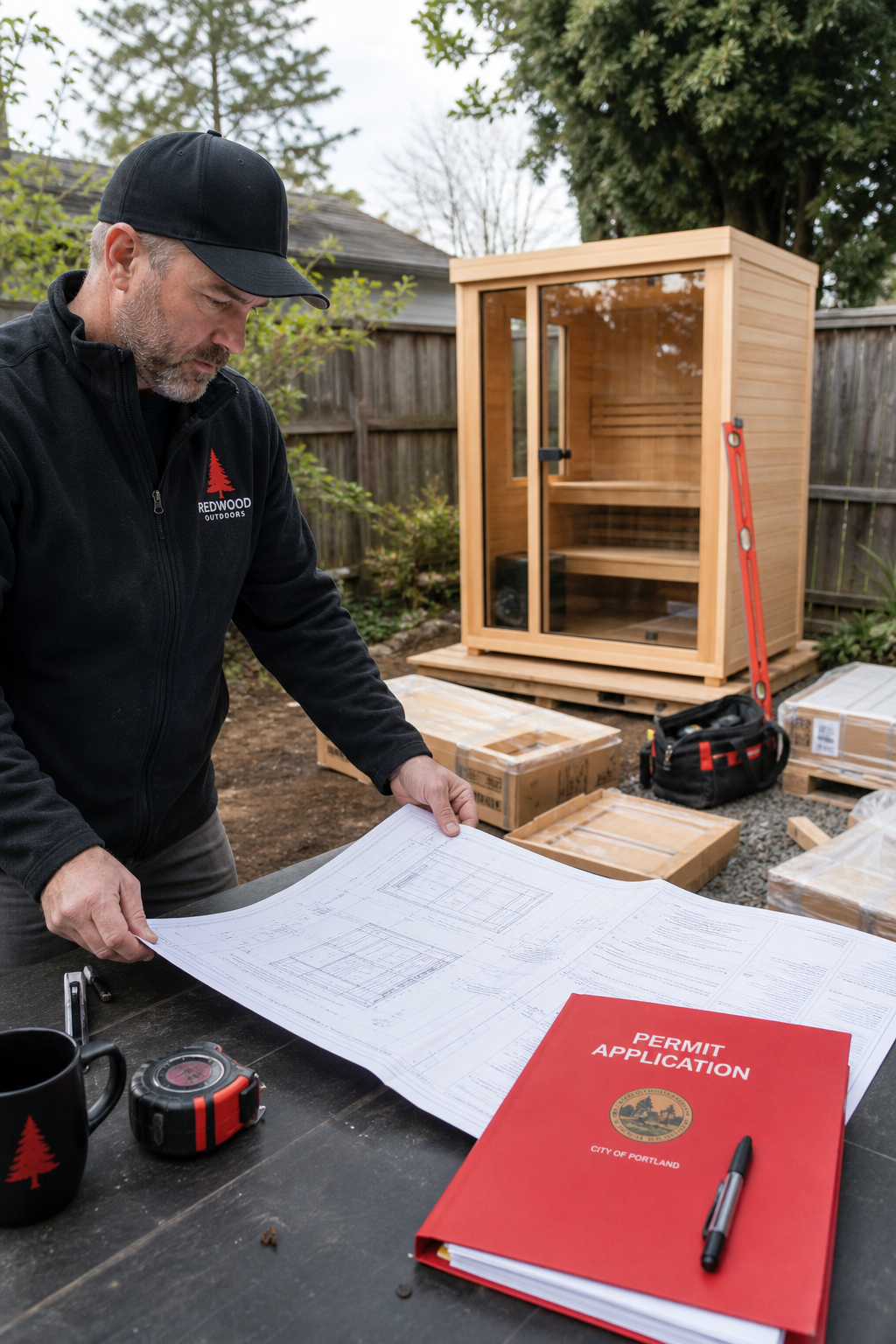
And if you need a local expert who knows desert‑ready installations, Luxury Hot Tubs offers on‑site consultations that cover placement, electrical planning, and code compliance.
Step 5: Plan for Long-Term Savings and Maintenance
After the sauna is up, the real joy begins , but you’ll also want to keep costs low. Energy use is the biggest recurring expense.
A 6 kW heater draws about 6 kWh in the first hour, then drops to half that for the second hour. At the U.S. average rate of $0.17 per kWh, a typical 2‑hour session costs between $1.00 and $1.50 ( Wikipedia’s electricity pricing page gives the national average). That’s modest enough to run a few times a week without breaking the bank.
Here are three ways to shave the bill:
- Pre‑heat the sauna while you’re still getting ready, then turn it off once the temperature is reached.
- Lower the set point by 5‑10 °F; you’ll still sweat, and the heater works less.
- Keep the sauna stones clean and well‑stacked. Eroded stones lose heat efficiency.
Maintenance goes beyond the heater. Wood surfaces need occasional cleaning with a mild soap. Avoid harsh chemicals that can strip the natural oils. Inspect the seals around doors each spring , cracked silicone can let moisture seep into walls.
Annual checks are wise. A licensed technician can verify the electrical connections, test GFCI protection, and ensure the thermostat still reads accurately. Expect a yearly inspection to run $150‑$200.
Finally, think about lifespan. High‑quality cedar and a reputable heater can last 15‑20 years with proper care. Replace stones every 3‑5 years, and plan a small budget for that refresh.
Frequently Asked Questions
What is the average total cost to install a home sauna?
In 2026 most homeowners spend between $3,000 and $10,000 for a fully installed sauna. The median sits at about $5,000, which includes the sauna kit, a dedicated circuit, and basic labor. High‑end custom builds can push the price well above $15,000, but the typical mid‑range project stays under $7,000.
Do I need a dedicated electrical circuit for every sauna?
Traditional Finnish‑style units and larger infrared models usually require a 240‑V, 30‑amp circuit. Smaller infrared cabins often run on a standard 120‑V, 20‑amp outlet, but they still need a dedicated line to avoid overload. Check the heater’s nameplate and local code; a licensed electrician can confirm the exact requirements.
Are permits required for indoor sauna installations?
Most indoor prefab kits don’t need a building permit if you’re just placing them in an existing room. However, any new wiring, especially a dedicated 240‑V circuit, triggers an electrical permit. If you’re framing a new room or adding a permanent structure, a building permit will be required in most jurisdictions.
How much does it cost to run a sauna each month?
Energy use depends on heater size and session length. A 6 kW heater consumes roughly 7‑9 kWh for a two‑hour session, which at $0.17 per kWh equals $1.20‑$1.50. Running three sessions per week would add up to about $15‑$20 a month. Infrared models use less power, often under $0.50 per session.
Can I install the sauna myself to save money?
You can assemble a DIY kit in a weekend if you have basic tools and a helper. The real cost‑saver is avoiding labor for framing. But you must still hire a licensed electrician for any wiring that exceeds a standard outlet. Skipping the electrical work can void warranties and create safety hazards.
What maintenance tasks keep a sauna running efficiently?
Clean the benches and walls after each use with a mild soap solution. Replace heater stones every 3‑5 years to maintain heat output. Inspect door seals for cracks and re‑apply silicone as needed. Schedule an annual professional check of the electrical circuit, thermostat, and ventilation system.
How do I choose between a traditional and infrared sauna?
Traditional saunas deliver high air temperatures and a classic “löyly” steam experience, which many users find invigorating. Infrared units heat the body directly at lower temperatures, making them easier on the lungs and quicker to warm up. If you have limited space or a modest electrical panel, infrared may be the smoother fit. For a spa‑like experience with higher heat, go traditional.
Will my sauna increase my home’s resale value?
Well‑installed saunas can be a strong selling point, especially in luxury markets like the Coachella Valley. Buyers often view a sauna as a premium wellness feature, which can boost perceived value by several thousand dollars. The exact ROI varies by neighborhood and overall property condition.
Conclusion
Putting a sauna in your home is more than a fancy add‑on; it’s a long‑term health and lifestyle upgrade. By measuring your space, picking the right type, breaking down every cost component, gathering solid quotes, budgeting for permits, and planning ongoing maintenance, you can keep the total spend near the median $5,000 figure while avoiding surprise expenses.
Take the next step with confidence. Review your local building codes, talk to a qualified electrician, and consider a short on‑site consultation with a desert‑ready specialist like Luxury Hot Tubs to ensure everything lines up before you order. When the heat finally turns on, you’ll know you built it right, saved money, and created a sanctuary that adds both wellness and value to your home.