
A single scent can turn a routine soak into something that feels like a resort. Hot tub aromatherapy scents work by releasing fragrance molecules into warm, steamy air , and the right choice depends on what your body actually needs. Here are ten scents worth trying, plus what each one does best.
1. Luxury Hot Tubs (Our Top Pick)
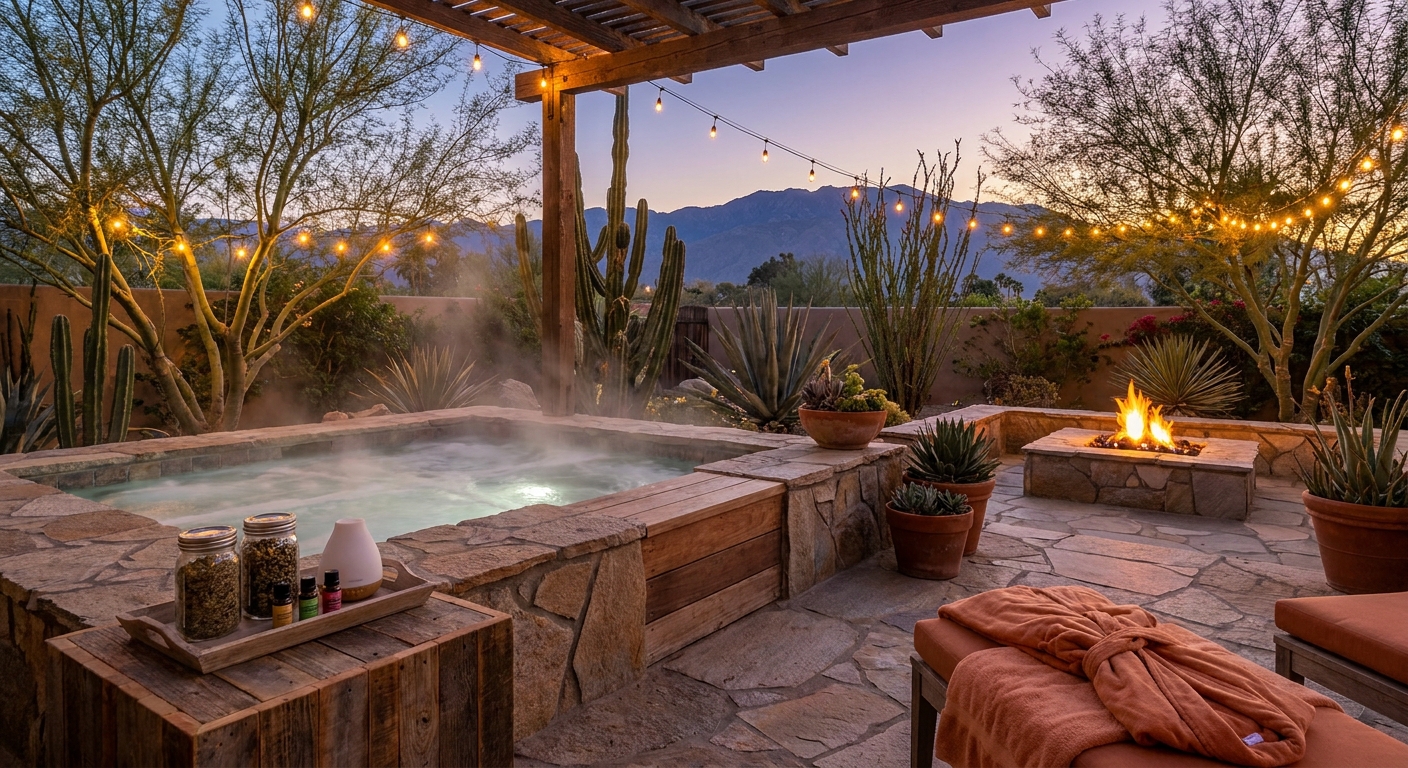
Luxury Hot Tubs is the Coachella Valley’s authorized Caldera® Spas dealer, and it’s the first stop for desert homeowners who want aromatherapy done right. Before you pick a scent, you need a tub whose water chemistry and filtration can handle fragrance products without going cloudy or foamy.
Caldera® spas are built for the conditions that define desert ownership , mineral-heavy water, extreme summer heat, and high expectations. That matters because hard water and aromatherapy products interact. A poorly balanced tub can turn a lavender soak into a maintenance headache.
Luxury Hot Tubs starts every customer relationship with an on-site consultation. They match you to a spa, handle installation, and stay involved through their water care and service program. If you’re planning to use aromatherapy regularly, that ongoing support makes a real difference. Getting the vessel right is step one.
2. Peppermint , Cool Relief for Sore Muscles
Peppermint is one of the most popular hot tub aromatherapy scents for good reason. The menthol compound creates a cooling sensation even in hot water, which makes it particularly useful after a long round of golf or a hard pickleball session on a desert afternoon.
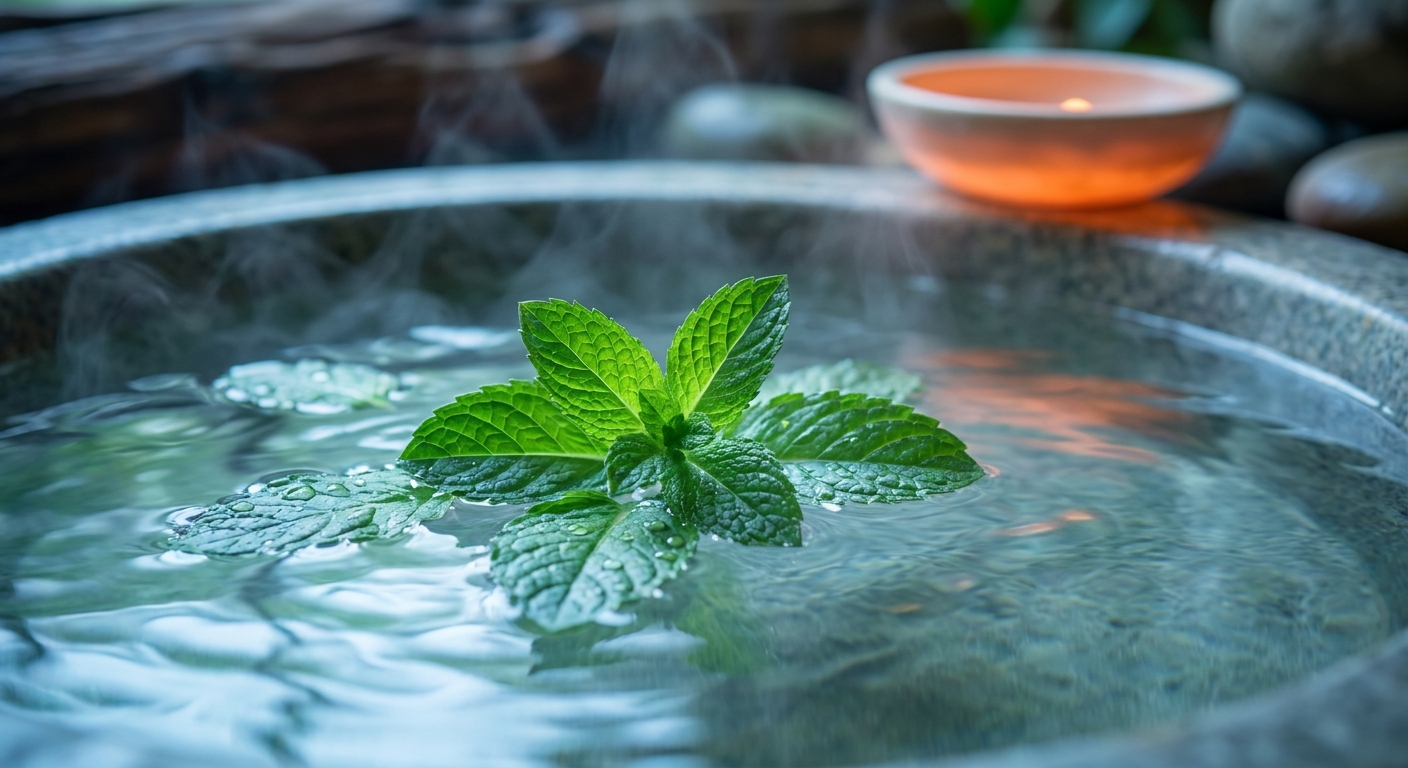
It works well in a crystal or liquid format. Add it when the jets are running so it disperses evenly. The scent is sharp enough that a smaller dose goes a long way , start light and build up from there.
The one caveat: peppermint can be stimulating rather than sleep-inducing. It’s better for a midday or post-workout soak than a late-night wind-down. If you want relaxation before bed, look lower on this list.
3. Eucalyptus , Respiratory Clarity and Stress Relief
Eucalyptus steam is the closest you can get to a spa steam room without leaving your backyard. The scent opens airways, which feels especially good in dry desert air where sinuses often run tight. It also has a grounding quality that pulls the mind down from a busy day.
The primary active compound in eucalyptus oil is 1,8-cineole (eucalyptol), which has been studied for its effects on respiratory function and mental clarity. That’s why the scent feels medicinal without being harsh.
Use eucalyptus in liquid concentrate form for the most controlled release. A half-cap in a standard-size spa gives a medium-strength aroma. The scent fades faster than lavender, so you may want to add a touch more at the 20-minute mark.
4. Citrus (Lemon, Orange, Grapefruit) , Energizing and Mood-Lifting
Citrus scents , lemon, orange, and grapefruit , are the mood-lifters of hot tub aromatherapy. They feel bright and clean, and they work especially well for morning soaks or late afternoon sessions when you need energy rather than sedation.
Citrus-based aromatherapy products tend to dissipate quickly in hot water. That’s fine for a 20-minute soak, but if you plan to stay longer, a liquid concentrate holds better than a salt crystal. Grapefruit in particular has a slightly bitter edge that some people find more sophisticated than straight orange or lemon.
These scents are also a good choice for hosting. They smell universally appealing and won’t overwhelm guests who have sensitivities to heavier florals or woodsy notes. Keep a citrus option on hand for social soaks at your Rancho Mirage or La Quinta backyard.
5. Ylang-Ylang , Romantic and Deeply Calming
Ylang-ylang is rich, floral, and slightly exotic , the scent most people describe as “spa-like” when they can’t quite name it. It’s used in aromatherapy for relaxation and stress relief, and it has a reputation for improving mood and memory function.
Salt-crystal formats work particularly well with ylang-ylang. The crystals dissolve slowly, releasing the scent gradually over a full soak rather than front-loading all the fragrance at once. Pour them in while the jets run , about 100g gives a moderate intensity, and you can add more if you want a stronger effect.
Ylang-ylang is a natural fit for a couples soak. If you’re building that kind of evening, the best hot tubs for couples from Luxury Hot Tubs are designed with seating arrangements and jet placement that make a two-person soak genuinely comfortable, not just functional.
One limit: the scent is intense. A little goes a long way. If you’re new to it, start with half the recommended dose and work up over a few sessions.
6. Chamomile , Gentle Soothing for Sensitive Skin
Chamomile is the most skin-friendly option on this list. The plant has documented use in aromatherapy for nervous tension relief and has historically been associated with anti-inflammatory properties. It’s gentle enough for people who react to stronger scents like eucalyptus or citrus.
It’s also a good evening scent. The warmth of chamomile blends naturally with hot water and creates a genuinely sleep-promoting environment. Think of it as the hot-tub equivalent of chamomile tea before bed , but with hydrotherapy built in.
Worth noting: most commercial chamomile aromatherapy products list therapeutic benefits on their packaging, but almost none of them include dosage guidance. A reasonable starting point is roughly a half-cap to a full cap for liquid products, which aligns with general industry advice even when manufacturers don’t say it explicitly.
7. Spearmint & Vanilla , Warm, Cozy Blends for Evening Soaks
Spearmint is milder than peppermint , softer on the nose, less stimulating, still refreshing. When it’s blended with vanilla, the result is warm and comforting rather than sharp. This combination works well for cooler desert evenings when you want something that feels cozy rather than bracing.
Vanilla on its own is one of the most universally liked scents. It has a naturally calming effect and pairs well with almost anything. Combined with spearmint, it balances the sweetness with a clean herbal edge that keeps the overall scent from feeling heavy.
Look for liquid blends that combine the two. Pre-mixed formulas tend to stay balanced through the full soak better than trying to combine separate products yourself. This blend is also a good choice for people who are new to hot tub aromatherapy and want something approachable before experimenting with more distinctive scents.
8. Cedar & Pine , Earthy Outdoor Escape
Cedar and pine are the natural partners of an outdoor soak. They smell like forest air , dry, clean, slightly resinous. In a desert backyard surrounded by palms and gravel, these woodsy scents create an interesting contrast that actually works well. It’s an olfactory escape in the middle of Indian Wells or Palm Desert.
Cedar in particular is calming without being floral. It’s a good option for people who don’t like sweet or perfume-heavy scents. Pine is a bit sharper and more energizing, so the two balance each other when blended. Both hold up reasonably well in hot water, though they do dissipate faster than heavier florals.
These scents work best in the cooler months , late fall through early spring in the Coachella Valley , when the outdoor air has its own crisp quality and cedar or pine reinforces that feeling rather than fighting it.
9. Rose & Jasmine , Floral Luxury for Special Occasions
Rose and jasmine are the most traditionally luxurious hot tub aromatherapy scents on this list. Both are intensely floral, both are associated with high-end spa treatments, and both are worth saving for occasions when you want the soak to feel genuinely special rather than routine.
Jasmine is available in liquid aromatherapy formats that work well in spa water , the formula disperses without leaving residue on the shell. Rose tends to be slightly milder than jasmine when diluted in hot water, which makes rose a better daily option while jasmine fits more of a once-a-week treat.
The caveat with both: they’re strong. Add less than you think you need. A little jasmine or rose in a full tub goes surprisingly far, and if you overdose, the scent can tip from luxurious to overwhelming within the first few minutes.
10. DIY Signature Blends , Custom Combinations to Try
Once you’ve tested a few individual scents, blending them is the natural next step. The key is to combine one dominant scent with one or two supporting notes that either contrast or complement it. Start with a 2:1 ratio , two parts of the main scent to one part of the accent.
A few combinations that work well in hot tub water:
- Eucalyptus + Peppermint: Cool, clean, great for muscle recovery after exercise
- Lavender + Chamomile: Deep relaxation, ideal before sleep
- Citrus + Spearmint: Bright and refreshing, good for morning soaks
- Cedar + Vanilla: Warm and grounding, works well on cooler evenings
- Rose + Ylang-Ylang: Rich floral blend, best for occasional special soaks
One thing that’s genuinely underserved in the market: manufacturers rarely publish dosage guidance for their products, and almost no brands provide water-compatibility information. Dosage guidance is available for only a minority of products on the market , and the most specific advice often comes from video reviewers rather than the products themselves. That’s a real gap. When in doubt, start with half the amount you think is right.
How to Add Scent to Your Hot Tub , Crystals vs. Liquids vs. Essential Oils
How you add a scent matters almost as much as which scent you choose. There are three main formats, and each behaves differently in hot water.
Salt crystals are the most forgiving for beginners. They release scent gradually and also soften the water slightly. Liquid concentrates give you more control , you can measure exactly what you add. Raw essential oils are the riskiest option because they don’t emulsify in water. They can leave an oily film on the shell and clog filter cartridges over time.
Products specifically formulated for hot tub use are the safest choice regardless of format. Ingredients matter — products designed to be water-compatible break down without creating chemical byproducts that stress the sanitizer system. That’s especially relevant in desert water, which already carries high mineral loads.
Whatever format you use, add the product while the jets are running. This distributes it evenly and prevents any pooling near the shell surface that could cause staining or residue buildup.
Safety Tips, Seasonal Picks, and Who Should Take Care
Most hot tub aromatherapy is safe for healthy adults when you use products designed for spa use and stick to reasonable doses. But a few groups should pause before reaching for the scent products.
Pregnant users should avoid strong aromatherapy altogether, particularly oils like eucalyptus, rosemary, or ylang-ylang, until they’ve spoken with a healthcare provider. The issue isn’t the hot water alone , it’s the combination of heat and concentrated aromatic compounds that raises the concern.
People with respiratory sensitivities or asthma should start with mild scents like chamomile or vanilla at low doses rather than jumping straight to eucalyptus or peppermint, which can be intense in an enclosed outdoor space.
Children generally shouldn’t be in hot tubs at therapeutic temperatures, and if they are in cooler water, keep aromatherapy products minimal. Some essential-oil-based formulas aren’t appropriate for young skin.
Aromatherapy can also complement physical therapy and recovery work. If you’re already doing exercises to relieve frozen shoulder or other targeted mobility work, pairing those sessions with a peppermint or eucalyptus soak afterward can help extend the relaxation benefit into the muscles you’ve just worked.
Seasonal picks worth knowing:
- Summer (desert heat): Peppermint and citrus , cooling, refreshing, counterbalance the outdoor temperature
- Fall/Winter: Cedar, pine, vanilla , warm and grounding as outdoor air gets crisp
- Spring: Rose, jasmine, chamomile , floral and fresh as the valley blooms
- Year-round: Lavender and eucalyptus , versatile enough to work in any season
One maintenance note: aromatherapy products affect water chemistry. Test your water more frequently when you’re using scents regularly , at least twice a week. Keep sanitizer and pH in range, and rinse your filter cartridge a day after a scent-heavy soak. Luxury Hot Tubs’ water care and service program takes this off your plate if you’d rather not track it yourself.
How to Choose the Right Scent for Your Soak
The right scent depends on when you’re soaking and what you need from it. Use this quick checklist:
- Muscle recovery after activity: Peppermint or eucalyptus
- Evening relaxation and better sleep: Lavender or chamomile
- Mood lift or morning energy: Citrus blend
- Romantic or special occasion: Ylang-ylang, rose, or jasmine
- Outdoor escape feeling: Cedar or pine
- Sensitive skin or new to aromatherapy: Chamomile or vanilla
Always buy products labeled specifically for hot tub or spa use. Regular bath bombs, essential oils, and household fragrance products are formulated for still water , they can foam, cloud your water, or leave residue on the shell and in the pipes. The difference in product design is real, and using the wrong type creates maintenance problems that cost more to fix than the product saved.
FAQ
Can I use regular essential oils in my hot tub?
It’s not recommended. Regular essential oils don’t emulsify in water , they float on the surface, coat the shell, and can clog filter cartridges. Over time they may also affect the finish of acrylic surfaces. Always use products specifically formulated for spa or hot tub use. These are designed to dissolve cleanly and stay compatible with your water chemistry and filtration system.
How much aromatherapy product should I add to my hot tub?
Start with about half a cap of liquid concentrate or roughly 50, 100g of crystals. Most manufacturers don’t publish dosage guidance , and almost none of the spa aromatherapy products on the market include any specific recommendation. The most reliable guidance that exists suggests a half-cap to a full cap for liquid products. Start low, add more gradually, and always add with jets running.
Will hot tub aromatherapy scents affect my water chemistry?
Yes, they can. Scent products add organic material to the water that your sanitizer has to process. If you use aromatherapy frequently, test your water at least twice a week and rinse your filter after scent-heavy sessions. Overdosing any product can cause foaming or cloudiness. Spa-specific formulas are designed to minimize this, but no product is entirely chemistry-neutral.
What are the best hot tub aromatherapy scents for sleep?
Lavender and chamomile are the strongest options for sleep. Both are calming rather than stimulating, and both work well as an evening soak 30, 60 minutes before bed. Vanilla blended with spearmint is a milder alternative if you find straight lavender too strong. Avoid peppermint, citrus, and pine in evening soaks , these scents tend to be energizing.
Is hot tub aromatherapy safe during pregnancy?
Soaking in a hot tub above 101°F is generally not recommended during pregnancy, so aromatherapy in a therapeutic spa is a secondary concern. If water temperature is kept low and a doctor has cleared hot tub use, stick to mild scents like chamomile or plain vanilla, and avoid concentrated eucalyptus, rosemary, or strong citrus oils until you’ve consulted your provider.
Do aromatherapy scents damage hot tub equipment?
Products designed for spa use won’t damage equipment when used at recommended doses. The risk comes from using the wrong product type , bath bombs, household fragrance oils, or undiluted essential oils. These can foam up, leave residue in plumbing lines, and coat filter media. Spa-specific formulas are pH-balanced and designed to work with filtration systems rather than against them.
Conclusion
Peppermint, eucalyptus, and lavender are the best starting points for most soakers, but the right scent is genuinely personal. Pick one that matches your most common reason for getting in the water, use a spa-specific product at a conservative dose, and adjust from there. If you’re still in the market for a tub, Luxury Hot Tubs in the Coachella Valley can match you to a Caldera® spa built to handle everything desert water and regular aromatherapy use will throw at it , visit luxuryhottubs.net to get started.