
Thinking about a hot tub in the desert? You’ll need a clear picture of the electrical cost before the first pipe is laid. Below is a step‑by‑step walk‑through that shows exactly how to size, price, and plan the wiring for a luxury spa.
Step 1: Determine Your Hot Tub Power Requirements
First, check the manufacturer’s spec sheet. Most full‑size luxury tubs need a dedicated 240‑volt, 50‑amp circuit. Smaller plug‑and‑play models run on a standard 120‑volt, 15‑amp outlet and usually come with a built‑in transformer.
Why the difference matters: a 240‑V line can feed both the heater and the pump at the same time, keeping the water at 104 °F even on a scorching 115 °F Coachella Valley afternoon. A 120‑V unit will heat more slowly and may not run all jets together.
Typical power draw ranges from 1,500 W for a modest heater up to 6,000 W for a high‑output model. Add the pump (100‑500 W) and any accessories like LED lights (<100 W). The total tells you whether your existing service panel can handle the load or if you’ll need an upgrade.
Most hot tubs require a 240‑volt connection and 50‑amp service, which should be installed by a licensed electrician.
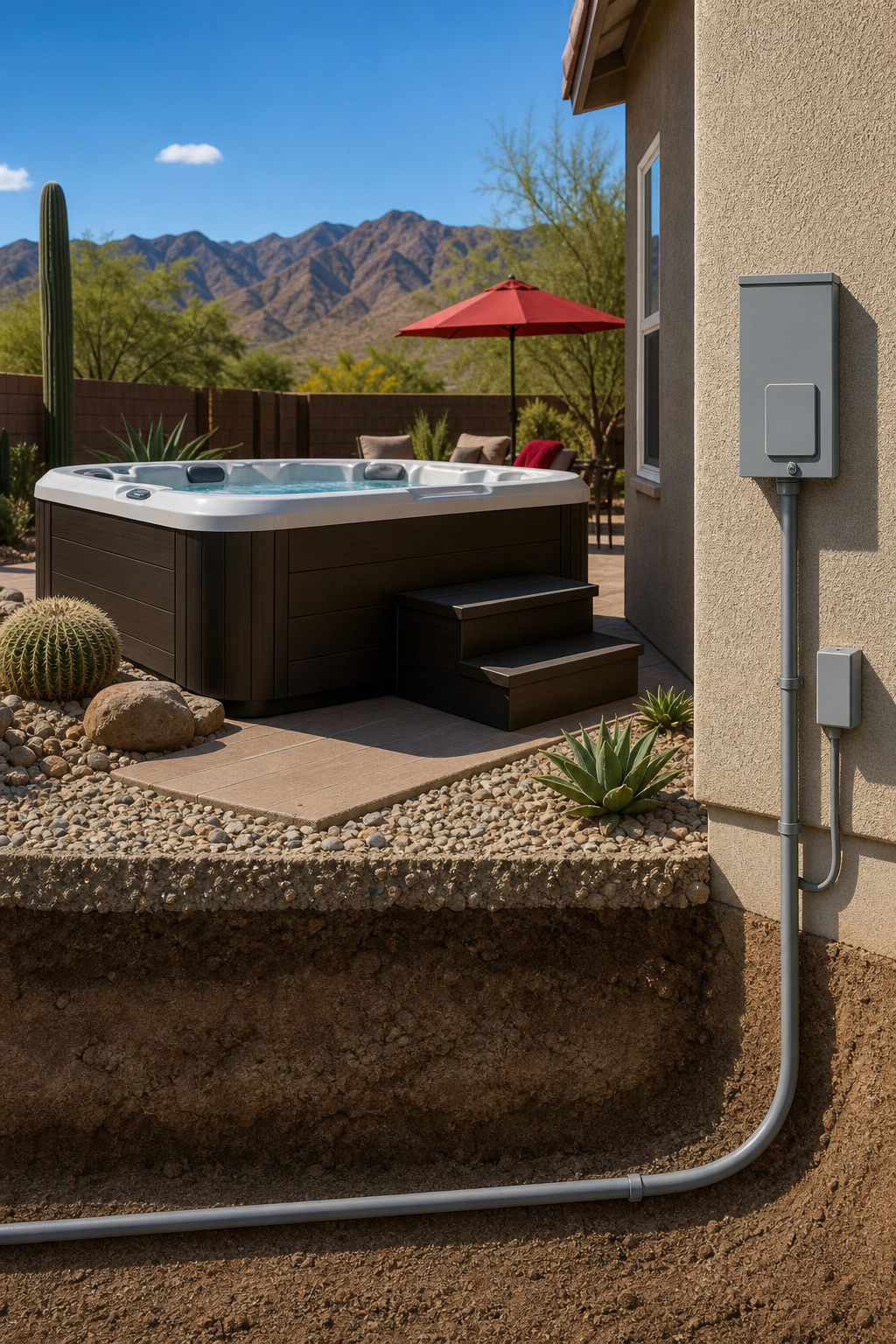
Bottom line: write down the voltage and amperage from the spec sheet before you call anyone. That simple note saves weeks of back‑and‑forth with electricians.
Step 2: Calculate Electrical Load and Circuit Needs
Now turn the specs into a real load figure. Multiply the heater wattage by the hours you plan to run it each day, then add the pump’s hourly draw. For example, a 4,500‑W heater running 4 hours uses 18 kWh. A 350‑W pump running continuously adds about 8.4 kWh per day.
The National Electrical Code (NEC) requires you to size the circuit at 125 % of the continuous load. Using the example above, 18 kWh + 8.4 kWh = 26.4 kWh. Convert to amperage (26.4 kWh ÷ 240 V ≈ 110 A) and then apply the 125 % rule → roughly 138 A. That tells you a 150‑amp sub‑panel is the safe choice.
For a quick reference, see the NEC’s tables on Wikipedia. They break down how to apply the 125 % rule for continuous loads.
Watch the short video below for a visual guide to doing the math yourself.
Once you have the amperage, ask your electrician to run the correct gauge wire, usually 6‑AWG copper for a 50‑amp circuit. Oversizing the wire adds cost but prevents voltage drop on long runs.
Step 3: Factor in Local Permit and Labor Costs
Every city in the Coachella Valley requires a permit for a new spa circuit. The fee typically ranges from $100 to $500, and the inspector will check that the GFCI‑protected breaker and grounding meet code.
Labor rates vary; electricians’ hourly rates differ by region, and a typical 240‑V install takes 4‑6 hours. Add extra time if you need a new sub‑panel or a long trench for the wire run.
Don’t forget possible panel upgrades. If your home’s main service is 100 A, a 200‑A upgrade can cost $1,500‑$3,000. That expense shows up in the overall electrical cost budget.
For a detailed checklist of what the permit process looks like, see Hot Tub Electrical Requirements: A Step‑by‑Step Guide. It walks you through paperwork, inspections, and the typical timeline.
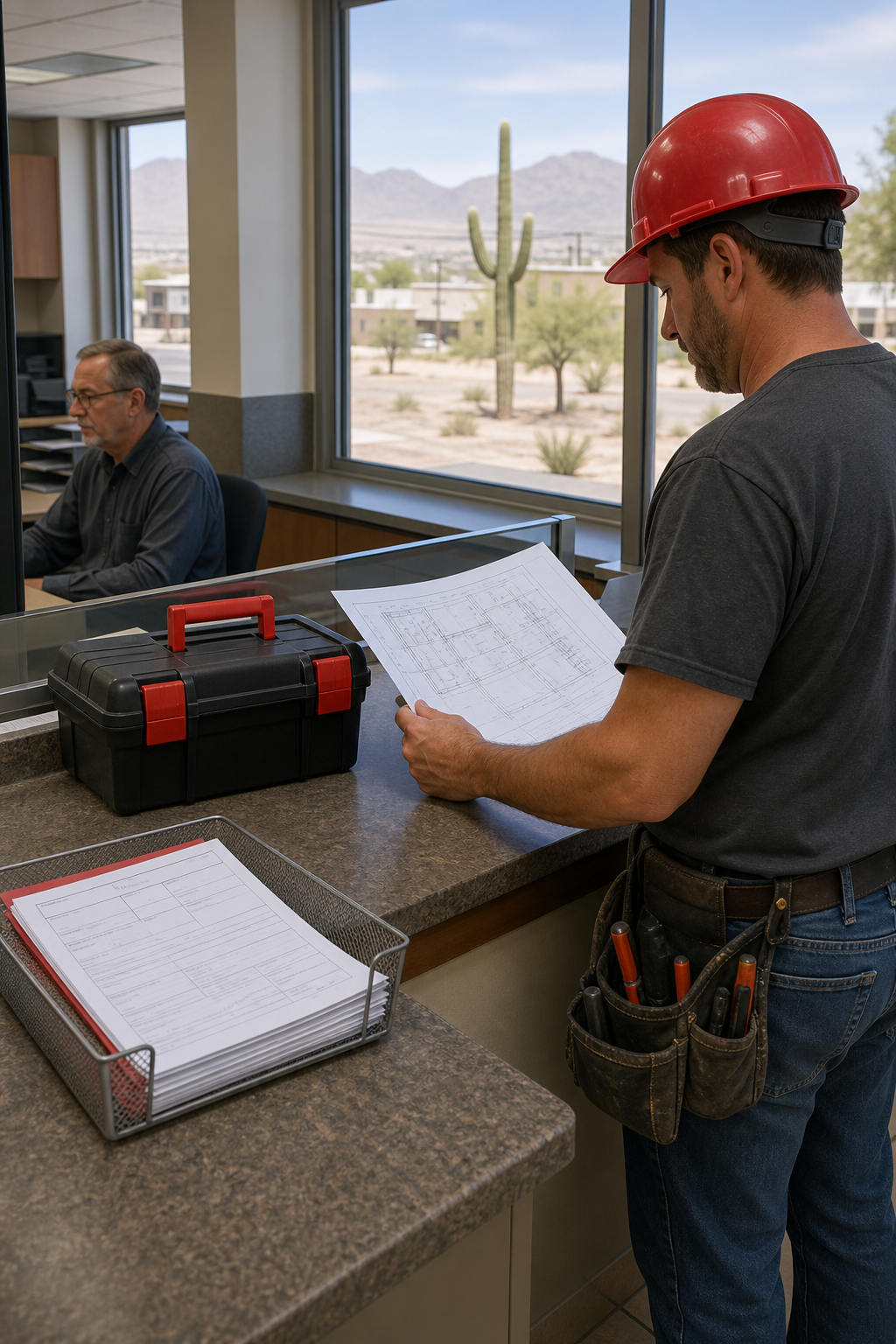
Keep a small buffer, $200‑$400, for unexpected site conditions like rocky soil that can add trenching costs.
Step 4: Compare Installation Options and Material Costs
With power and permits mapped out, look at how you’ll actually get the tub in place. Below is a quick matrix that lines up the main options you’ll encounter.
Installation costs can vary widely depending on model and region, and electrical work typically represents a portion of the total expense.
When you compare, consider potential trenching and additional conduit requirements, which can add to overall cost.
Step 5: Estimate Total Budget and Plan for Contingencies
Add up the line items from the previous steps. A typical mid‑range luxury tub in the Coachella Valley might look like this:
- Hot tub unit: price varies
- Concrete foundation: price varies
- Electrical install (240 V, 50 A): price varies
- Permit & inspection: price varies
- Trenching & conduit: price varies
Total = the sum of the above items. Add a 10‑15 % contingency buffer to cover surprises such as rock removal or an unexpected panel upgrade.
Now factor in ongoing electricity use. Electricity rates vary; a well‑insulated desert‑ready spa draws roughly 5 kWh per day, which results in a modest daily cost and a reasonable monthly expense.
Multiplying that daily usage over a year yields an annual operating cost that remains relatively low. Compare that to the upfront spend to see the true total cost of ownership.
Finally, write a simple spreadsheet that tracks each expense category, the quoted amount, and the actual invoice. Update the sheet as you receive quotes; that visual will keep you from over‑spending.
FAQ
How much does a typical hot tub wiring job cost?
The wiring portion depends on the specific job scope and local labor rates.
Do I need a permit for a plug‑and‑play hot tub?
Most cities require a permit for any new electrical circuit, even a 120‑V plug‑and‑play model, so plan for a modest permit fee.
Can I use a standard outlet for a 240‑V spa?
No. A 240‑V spa must have a dedicated GFCI‑protected breaker and its own wiring; a regular outlet cannot safely handle that load.
What size breaker do I need for a 5 kW heater?
A 5 kW heater draws about 21 A at 240 V. Applying the NEC’s 125 % rule means you need a 30‑amp breaker for that heater alone.
How do I keep my electric bill low?
Use a high‑R‑value cover, lower the thermostat by a few degrees when not in use, and run the heater during off‑peak utility hours to save on electricity costs.
Should I upgrade my main panel before installing a spa?
If your home’s main service is under 150 A, a panel upgrade may be necessary to accommodate the new 50‑amp spa circuit; the upgrade can add a significant cost to the project.
Bottom line: plan each expense, add a safety margin, and you’ll avoid nasty surprises.
Ready to start? Get a few quotes from licensed electricians, compare the numbers, and let Luxury Hot Tubs guide the final placement and installation for a desert‑ready, energy‑smart spa.