
Joint pain can ruin a relaxing soak. The good news is you can tweak your hot‑tub routine to calm aches and keep you moving. Below are five simple steps that turn your spa into a joint‑friendly haven.
Step 1: Adjust Water Temperature for Joint Relief
Set the thermostat between 98°F and 104°F. This range loosens stiff muscles without over‑heating the body.
Research shows that heat therapy widens blood vessels, delivering more oxygen and nutrients to sore joints. Heat therapy’s physiological effects explain why a warm soak feels soothing.
Start at the lower end of the range, especially if you’re new to hydrotherapy. Let the water heat for at least 15 minutes before you get in, so the temperature is even.
Keep sessions short , 10 to 20 minutes is enough to boost circulation without causing dehydration. If you feel light‑headed, step out and cool down.
Luxury Hot Tubs recommends choosing a model with precise temperature control, like the Caldera series, so you can stay within the therapeutic window.
For a deeper dive on why consistent heat matters, on hydrotherapy hot‑tub benefits. The page explains how steady warmth supports joint mobility and overall wellness.
Step 2: Use Hydrotherapy Jets Correctly
Position yourself so the jets hit the areas that hurt most , knees, lower back, shoulders, or hips. Adjustable jets let you target specific joints.
Low to medium pressure works best. Strong jets can aggravate inflamed tissue, especially for rheumatoid arthritis sufferers.
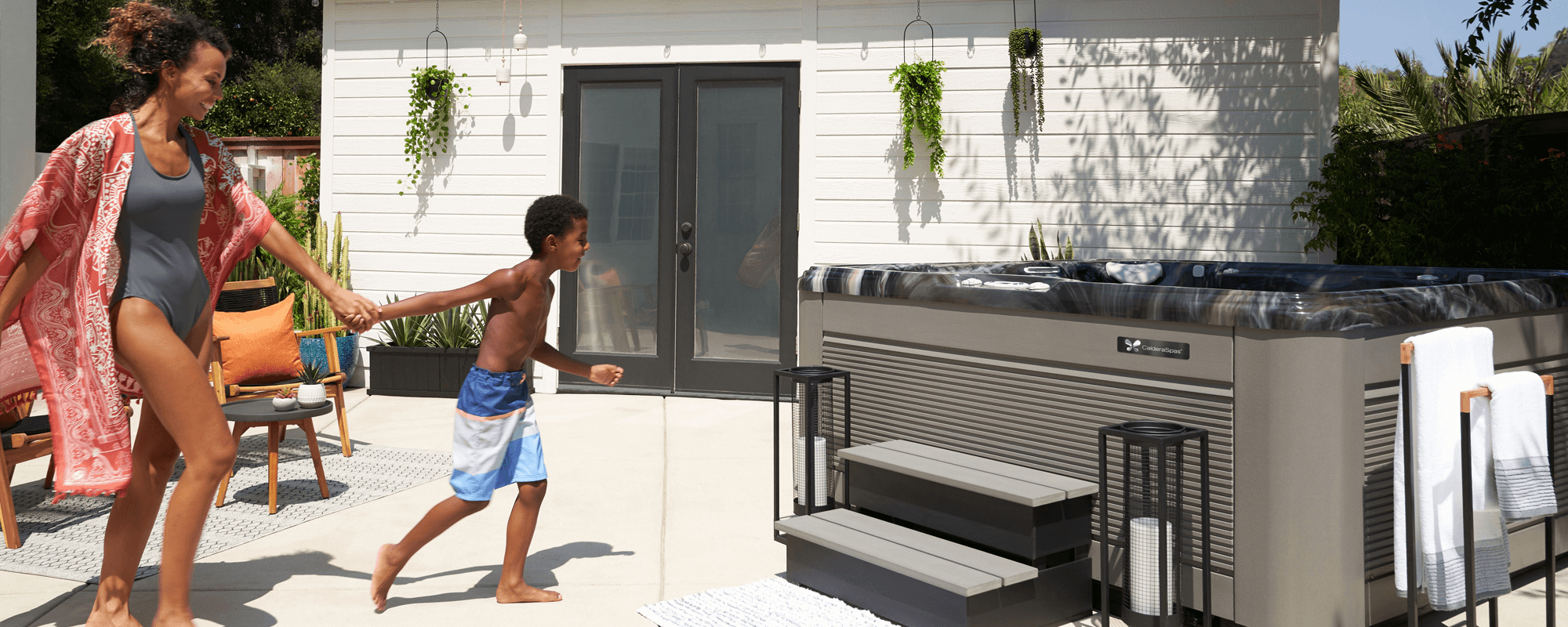
Turn on the jets for the first five minutes, then pause briefly. This cycle lets blood flow increase without overwhelming the muscles.
, controlled jet massage improves range of motion and reduces stiffness in arthritis patients. The study details the benefits of targeted hydro‑massage and recommends short bursts rather than continuous pressure.
Luxury Hot Tubs’ Caldera spas feature zone‑specific jet arrays that make it easy to switch focus as you move through the soak.
Step 3: Incorporate Stretching & Mobility Before Soak
Warm up your joints with gentle stretches before you get in. A short shower at a comfortable temperature also primes the muscles.
Try a knee‑to‑chest stretch, an arm circle, and a gentle forward bend. Hold each move for about 15 seconds and avoid any sharp pain.
When you enter the tub, continue the motions slowly. The buoyancy reduces joint load, letting you move farther than on land.
Finish the session with a light roll‑out stretch while the water is still warm. This helps lock in the increased flexibility you gained.
Step 4: Add Therapeutic Additives Safely
Mineral salts, like magnesium sulfate (Epsom salt), can boost joint comfort. They dissolve in the water and may raise magnesium levels, which supports bone health.
Measure the additive according to the product label , typically one cup per 400 gallons. Over‑dosing can cloud the water or irritate the skin.
Make sure your sanitizer levels stay within the recommended range. Additives don’t replace chlorine, bromine, or other sanitizers.
If you run a salt‑water system, most mineral formulas are compatible. Check the manufacturer’s guidance before mixing.
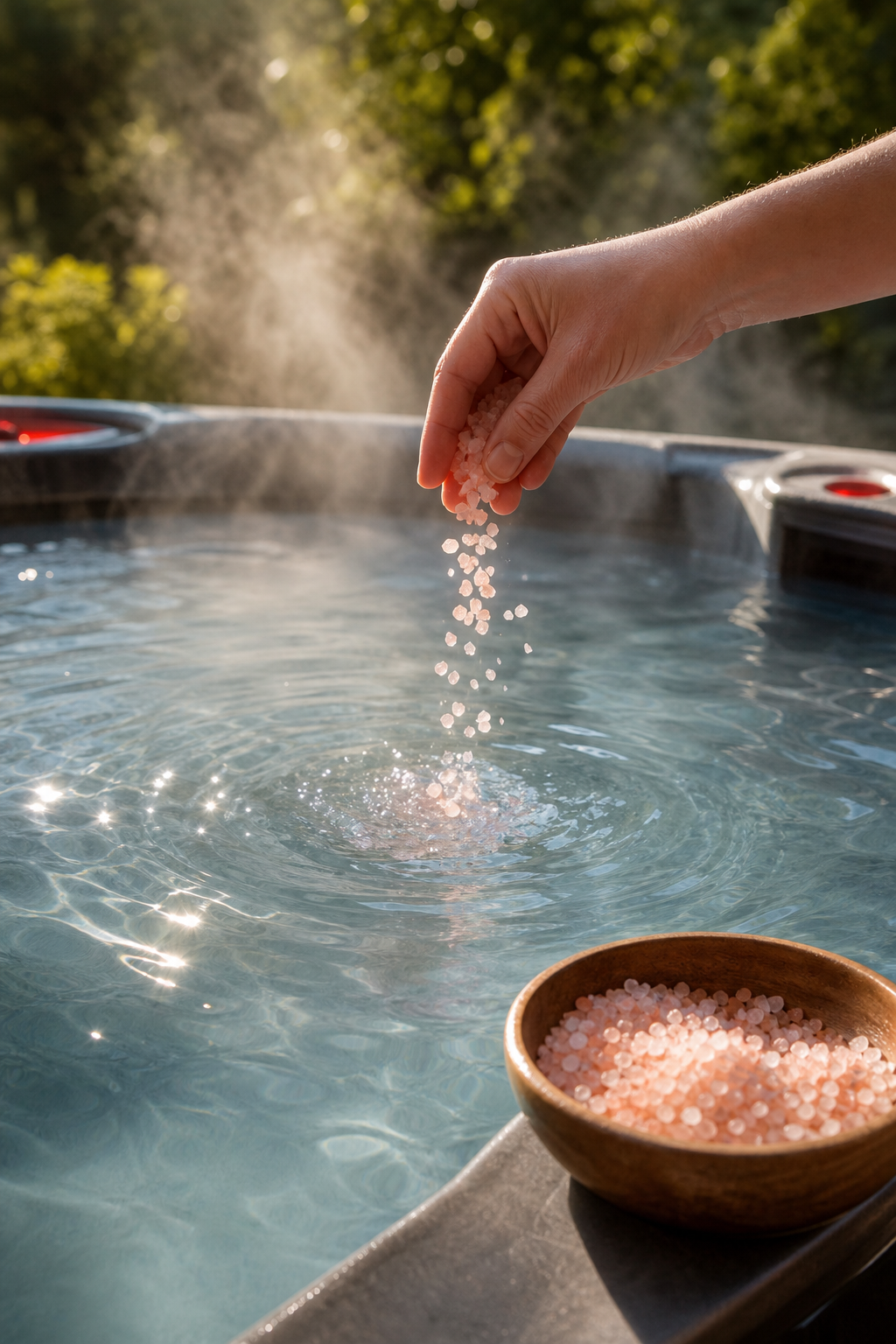
Luxury Hot Tubs offers a curated list of spa‑safe additives on its website, ensuring you pick products that won’t damage the jets or filter.
Step 5: Maintain Consistent Water Chemistry
Balanced pH (7.2‑7.6) and alkalinity keep the water gentle on skin and joints. Test the water weekly with strips or a digital meter.
Hard water can leave scale on the heater and jets, reducing water flow. Use a pre‑filter on your fill hose and a spa‑grade scale‑control product to protect the system.
If calcium hardness climbs above 250 ppm, add a hardness reducer approved for spas. This prevents chalky buildup that can irritate the skin.
Regularly clean the filter , rinse it every 1‑2 weeks and soak it in a spa‑safe cleaner monthly. A clean filter ensures the jets fire at full strength, delivering the massage you rely on for joint relief.
Luxury Hot Tubs’ service plans include chemistry checks and filter maintenance, so you never miss a step.
FAQ
Can I use a hot tub if I have arthritis?
Yes, most people with arthritis benefit from warm water therapy, but you should keep the temperature between 98°F and 104°F and limit sessions to 20 minutes.
How often should I soak to see joint‑pain improvement?
Three to five times a week is common in studies; consistency matters more than long, occasional sessions.
Is it safe to use hydrotherapy jets if I have high blood pressure?
People with uncontrolled hypertension should check with a doctor first. Gentle jet pressure is usually fine, but avoid very hot water and long soaks.
Do I need a special hot tub for joint therapy?
No, any well‑maintained tub with adjustable jets works. Luxury Hot Tubs recommends models with zone‑specific jets for precise targeting.
What should I do if the water feels too hot during a soak?
Exit the tub, let your body cool, then lower the thermostat before your next session. Hydrate before and after each soak.
Conclusion
Start by setting your tub to a therapeutic temperature, use the jets wisely, and keep your water chemistry balanced. For a hassle‑free experience, consider a Caldera spa from Luxury Hot Tubs , they’re built for precise heat control and easy maintenance. Take the first step today: test your water temperature and plan a short, 15‑minute soak this week.