
Want to turn your evening soak into a powerful sleep aid? Science shows a 20‑minute hot‑tub session can shave 10‑15 minutes off the time it takes to fall asleep. Below are five usable steps you can start using tonight.
Step 1: Set the Ideal Temperature and Timing
The sweet spot for sleep‑supporting hydrotherapy sits just below the maximum safe heat. Warm‑water immersion can lower cortisol levels, helping you relax before sleep. Many owners find 98°F–104°F feels comfortable for a short soak. Guidelines suggest staying in this range avoids extra energy use and protects the tub’s components.
Start by heating your tub to about 100°F. Let the heater run for a few minutes, then check the display. If you feel a gentle warmth on your skin after a minute, you’re good to go. Anything hotter will raise your core temperature too much, making the post‑soak cooling phase less effective.
Time matters, too. Short immersion periods, such as 15 minutes, paired with water around 107°F (41.7°C), have been shown to support sleep improvements. Aim for a 15‑minute soak about 60‑90 minutes before you plan to turn out the lights. That gap gives your body enough time to shed the extra heat and trigger the natural drop in core temperature that signals sleep.
By now you should have a temperature that feels soothing, not scorching, and a timer set for a 15‑minute session. If you own a Caldera® Spa from Luxury Hot Tubs, its digital controls let you set the exact temperature and a countdown, removing guesswork.
Step 2: Optimize Water Quality for Relaxation
Clear, balanced water does more than look nice, it supports the physiological changes that help you sleep. Hard, mineral‑rich desert water can leave deposits that cloud the surface and irritate the skin, which in turn can raise stress levels during a soak.
Begin with a proper pH of 7.2‑7.6 and a sanitizer level that keeps microbes at bay without causing a chemical sting. Luxury Hot Tubs offers a water‑care program that monitors these values automatically, which is a big help in the Coachella Valley’s salty air.
Regularly test the water with a reliable strip kit and adjust as needed. If you notice cloudiness, a brief shock treatment (follow the manufacturer’s dosage) will restore clarity. For those who prefer a gentler feel, consider a salt‑water system; the electrolytic process creates a mild chlorine that is easier on the eyes and skin.
Keeping the water clean also supports the hydrotherapy benefits outlined in Top 7 Hydrotherapy Hot Tub Benefits for Pain Relief & Wellness. When the water is fresh, the warm immersion can focus on relaxing muscles and lowering cortisol rather than battling irritation.
After you’ve balanced the chemistry, give the jets a quick run to circulate the water. A well‑mixed soak delivers even temperature and helps the body’s heat‑dissipation mechanisms work smoothly.
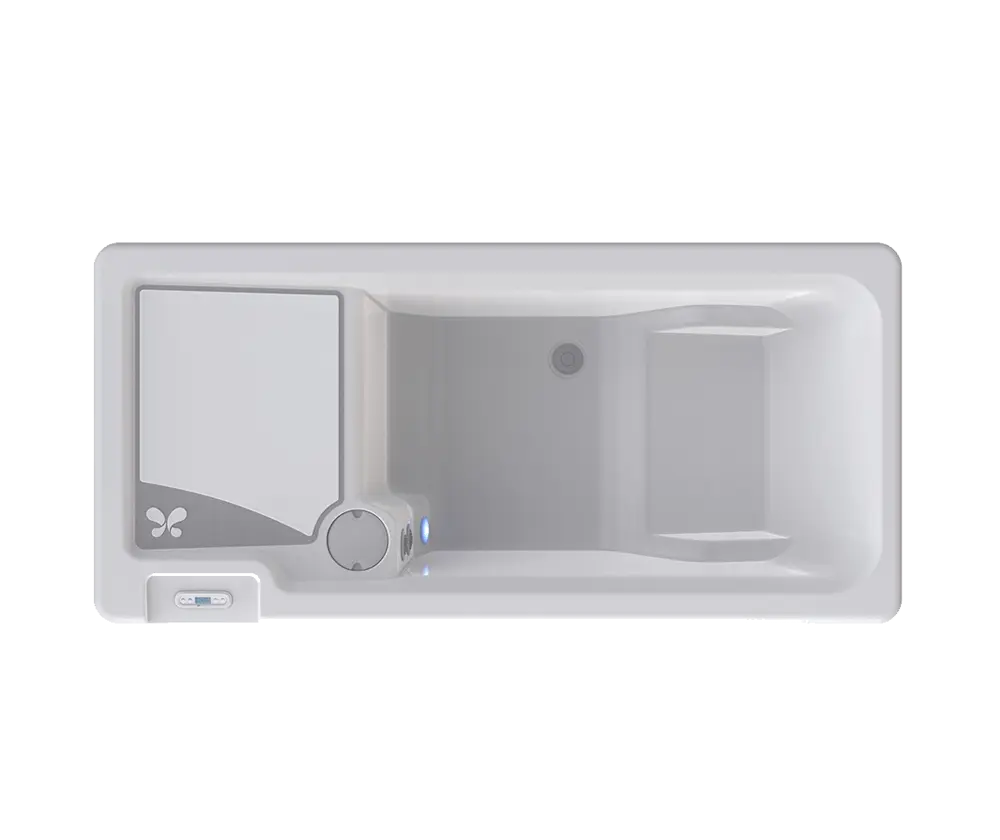
Step 3: Use Hydrotherapy Techniques to Reduce Stress
Heat alone isn’t the whole story; the way you position yourself and use the jets can amplify the stress‑relief effect. The core‑body temperature rise during immersion, followed by a rapid post‑soak cooling, tricks the brain into a sleep‑ready state.
Focus the jets on large muscle groups, calves, thighs, and lower back. The pulsating water pressure boosts circulation, delivering oxygen and flushing metabolic waste. A study published in PubMed reported that warm‑water immersion lowered cortisol by up to 23%, a change comparable to some prescription sleep aids.
Try a simple pattern: three minutes of steady jets, one minute off, then another two minutes of gentle mist. This rhythm keeps the heart rate improved just enough to promote relaxation without overtaxing the system.
If you have a Caldera® model, use its “Recovery Mode” which alternates high‑pressure and low‑pressure jets automatically. The sequence mimics a professional massage, easing tension that often keeps the mind racing at bedtime.
End the session by turning the jets off and staying still for a minute. That pause lets the body transition from the active heat phase to the cooling phase, sharpening the signal to the brain that it’s time to wind down.
By now you should feel a noticeable drop in mental chatter and a warm, relaxed heaviness in your limbs.
Step 4: Incorporate a Bedtime Routine with Your Hot Tub
A hot‑tub soak works best when it’s part of a consistent wind‑down ritual. The body’s internal clock expects a cue that signals the approach of sleep.
Start by dimming lights in the surrounding area and switching off screens at least ten minutes before you step in. The reduced blue‑light exposure helps melatonin production, while the soft glow sets a calm mood.
Choose soothing background music or nature sounds. A low‑volume playlist keeps the mind occupied without pulling attention away from the water’s rhythm.
When you’re ready, enter the tub and follow the temperature and jet pattern from the earlier steps. After the soak, exit slowly, wrap yourself in a warm towel, and sip a glass of water. Avoid cold showers right after the soak, those can reverse the cooling benefit you just earned.
Finally, spend five minutes in bed practicing a simple breathing exercise: inhale for four counts, hold for four, exhale for six. This reinforces the parasympathetic response you activated in the water, making it easier to drift off.
Step 5: Track and Maintain Sleep Improvements
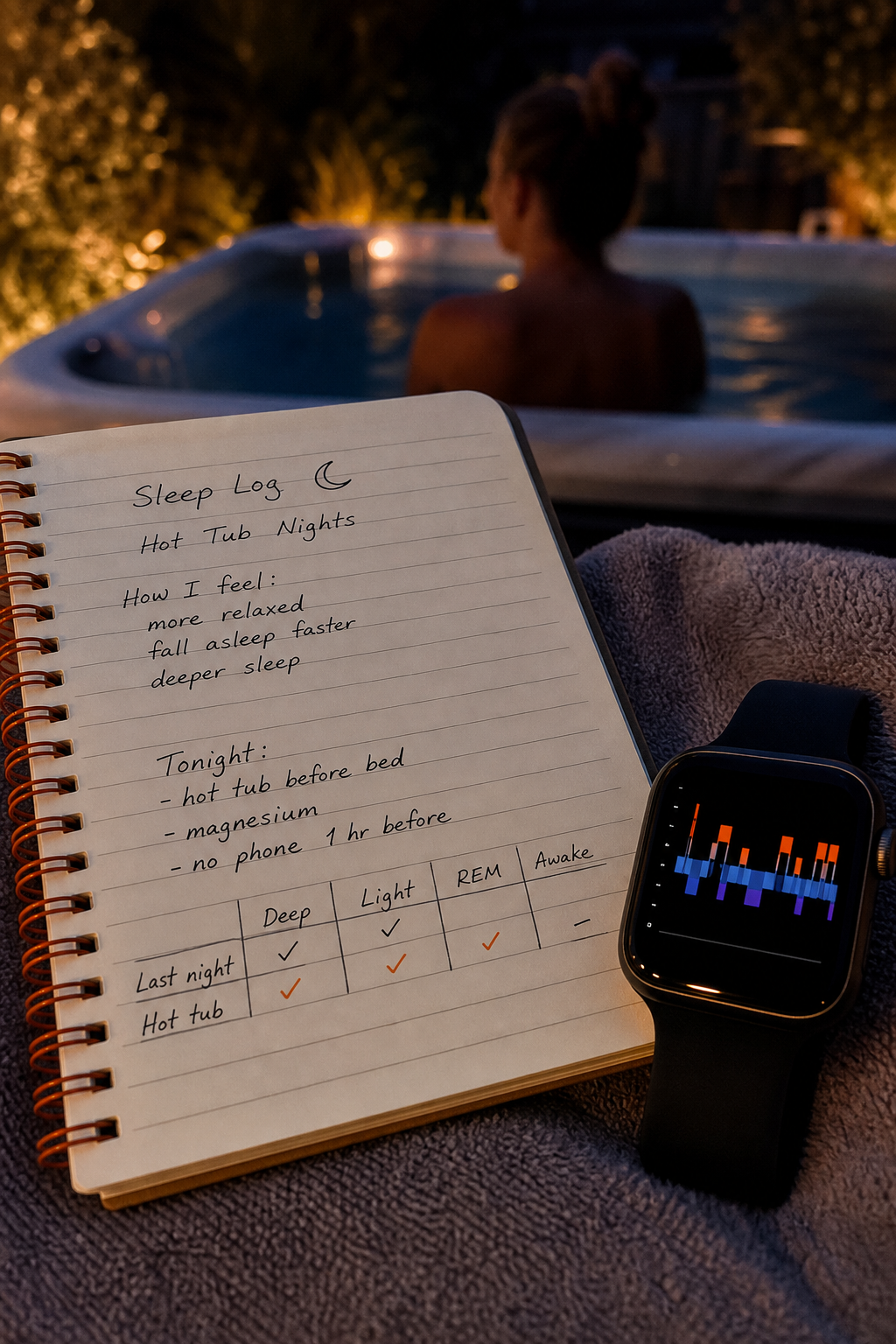
Seeing data keeps you motivated and helps you fine‑tune the routine. Most smart watches can log sleep stages, heart‑rate variability, and even skin temperature.
Record the night’s start time, water temperature, and soak duration in a simple spreadsheet. Add a column for how long it took you to fall asleep and how many times you woke up.
After a week, compare the numbers. If you notice a pattern, say, a 100°F soak for 15 minutes consistently yields a 12‑minute faster sleep onset, make that your default setting.
Adjust as needed. Some people find a slightly cooler water temperature (98°F) works better during hotter months, while others add a few extra minutes in winter when the body takes longer to warm up.
Don’t forget to keep the tub’s water quality in check. A quick weekly test and a monthly deep‑clean will prevent algae or scale from ruining the soothing experience.
By tracking both the spa settings and the sleep outcomes, you create a feedback loop that turns a nice habit into a proven sleep strategy.
FAQ
How long should I soak before bed?
A 15‑minute soak about 60‑90 minutes before bedtime is enough to raise core temperature and then let it drop, which speeds sleep onset.
What temperature is best for sleep?
Aim for 100°F‑102°F; this range is safe and comfortable for most adults.
Do hot‑tub jets improve sleep benefits?
Jets help circulation and muscle relaxation, but the primary sleep driver is the temperature shift. Use jets for comfort, not as a requirement.
Can I use a hot tub if I have high blood pressure?
Warm water temporarily lowers blood pressure, but people with hypertension should consult a doctor first and keep sessions under 20 minutes.
How do I know if my routine is working?
Track sleep onset latency and nighttime awakenings in a simple log or via a wearable. Consistent improvements over several weeks indicate the routine is effective.
Conclusion
Luxury Hot Tubs’ Caldera® spas give you precise temperature control, reliable jet patterns, and built‑in water‑care, making them a solid foundation for the routine above. Set your tub, follow the steps, and start logging results; you’ll soon notice faster sleep and deeper rest.