
Ever wondered why a cedar barrel sauna looks so inviting yet can surprise you with hidden quirks? In the next few minutes I’ll walk you through the must-know benefits, the design details that can make or break your comfort, and the upkeep tricks that keep that fresh cedar scent alive season after season. You’ll learn what to look for when buying, how to install it right, and how to avoid common pitfalls that owners face after the purchase. Let’s get started.
Cedar Wood Advantages: Why It’s the Top Choice
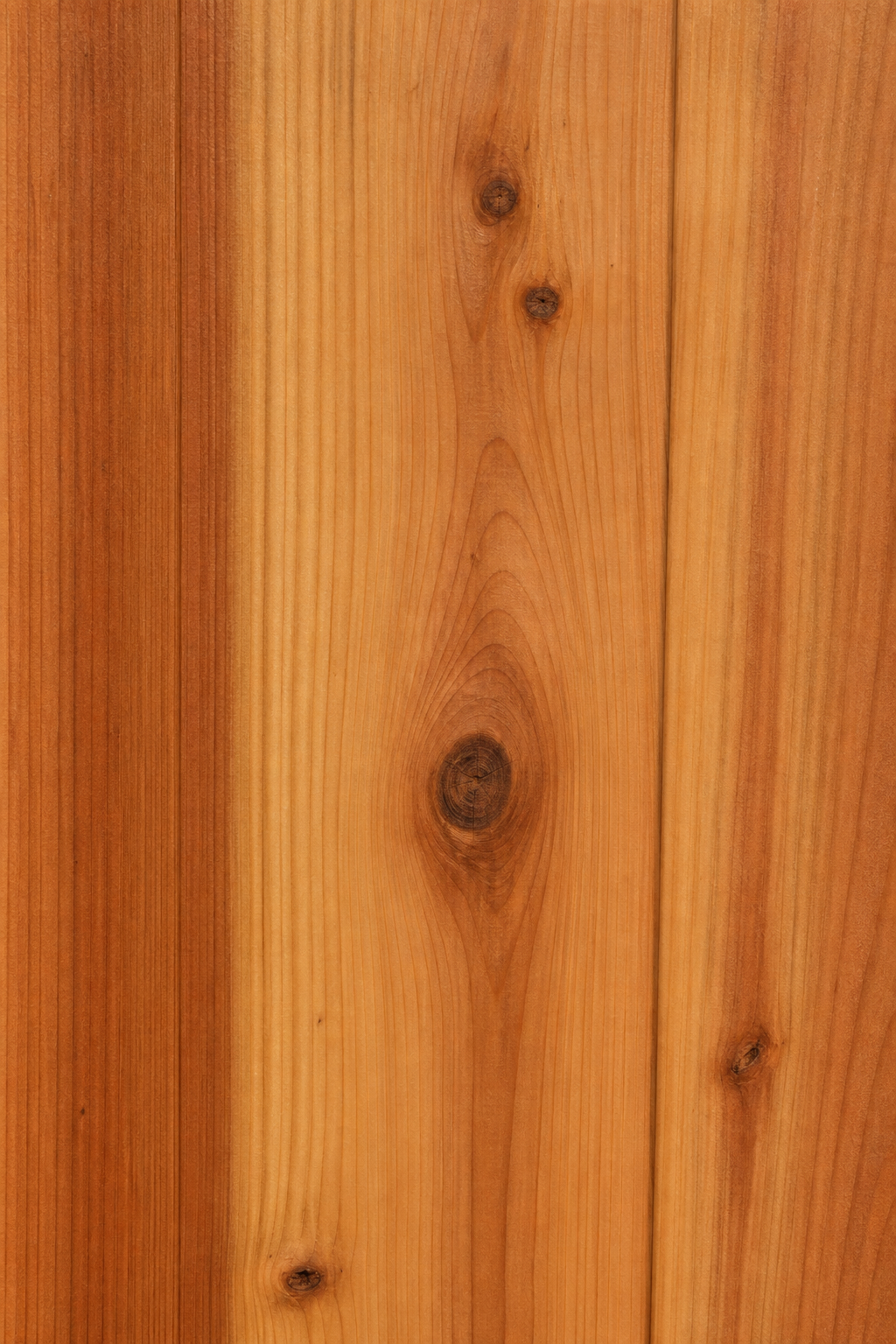
Most barrel saunas are made from Western red cedar, and for good reason. Cedar is naturally resistant to rot, decay, and insects. That’s a big deal for an outdoor structure that lives in the rain, snow, and sun. The wood contains natural oils that act as a preservative, so you don’t need chemical treatments. And the aroma? It’s the classic sauna smell everyone loves.
According to the Wikipedia entry on Western red cedar, the wood has low density and high porosity, which gives it excellent insulation properties. That means your sauna heats up faster and stays hotter longer. In fact, 5 out of 9 barrel sauna models surveyed in a recent market analysis use Western red cedar, making it the dominant choice for manufacturers.
But cedar isn’t the only option. Some premium models, like the Redwood Outdoors Thermowood, use heat-treated pine. Thermowood is more dimensionally stable and resists moisture even better than cedar. Still, cedar remains the top pick for its balance of cost, looks, and performance.
One thing most sellers don’t tell you: insulation thickness and warranty info are almost never listed. A recent survey of 11 cedar barrel sauna models showed that0%disclosed insulation thickness or warranty terms. That’s a red flag. You should always ask the manufacturer about these specs before buying because they directly affect energy efficiency and how long your sauna will last.
Bottom line: Cedar’s natural durability, insulation, and aroma make it the ideal wood for barrel saunas, but always dig deeper on insulation and warranty because those are often hidden.
Barrel Shape and Heat Circulation Efficiency
The round shape of a cedar barrel sauna isn’t just for looks. It actually helps the heat move around better than a square or rectangular sauna. Here’s why: hot air rises, but in a barrel the curved ceiling directs that heat back down along the walls. The result is more even heat from floor to ceiling. You don’t get that intense hot-air layer near the roof that you often feel in cabin-style saunas.
As one source explains, barrel sauna heat efficiency depends on how tight the staves are and whether you have a roof cover. Many owners report their barrel sauna reaches 180°F in about 20 minutes with a good electric heater. That’s fast.
“I get an insane sweat in here every single time and I can barely last 15 minutes at max heat.” , Adam C Korson, YouTube review
That even heat distribution is one reason barrel saunas feel hotter than the thermostat says. The radiant heat from the curved walls hits you from all sides. Some models even include half-moon windows or flat floors for extra comfort, but those are upgrades you’ll pay for.
It’s also worth noting that the barrel shape means you’ll have less headroom near the walls. If you’re over 6 feet tall, you might feel cramped. That’s why some people prefer a flat-barrel design like the Heritage Flat Barrel Sauna, which gives you more vertical space.
Bottom line: The barrel shape creates efficient heat circulation, but for tall users, consider a flat-floor model or plan for a custom backrest.
Capacity and Size Options: Finding the Right Fit
Most cedar barrel saunas seat 4 people on average, according to recent market data. The range goes from compact 2-person units up to family-sized 6-person models. But “4-person” can be misleading. Here’s how to decode the numbers.
Size matters for comfort. A standard 6-foot diameter barrel gives you a bench that’s about 18 inches wide , enough for sitting but not for lying down. If you plan to stretch out, look for a 7-foot or larger barrel. The 6-person models, like the Forest Cooperage 6-Person or the Dundock 6×8, usually have longer benches and more floor space. Most larger models are electric-only, which makes sense because wood-burning stoves take up room.
For a detailed comparison, Finnmark Sauna’s comparison guide breaks down dimensions for different models. They recommend measuring your tallest family member’s height and adding 4, 6 inches to decide on barrel diameter.
Another key factor: doorway height. In many barrel saunas, the door frame is lower than the roof peak. At 5’9″, you might have a few inches above your head inside, but you’ll need to duck to enter. Taller folks should check the door opening specs or consider a model with a taller door.
Bench width also varies. Some 4-person barrels have benches that are only 15 inches wide , comfortable for sitting but not for lying down. If you like to nap after your session, look for models with wider slats or optional fold-up backrests.
Bottom line: Choose a size based on how you’ll actually use it , for solo lounging, a 2-person barrel works fine; for social sessions, go for a 6-person model with wider benches.
Outdoor Installation Requirements and Best Practices
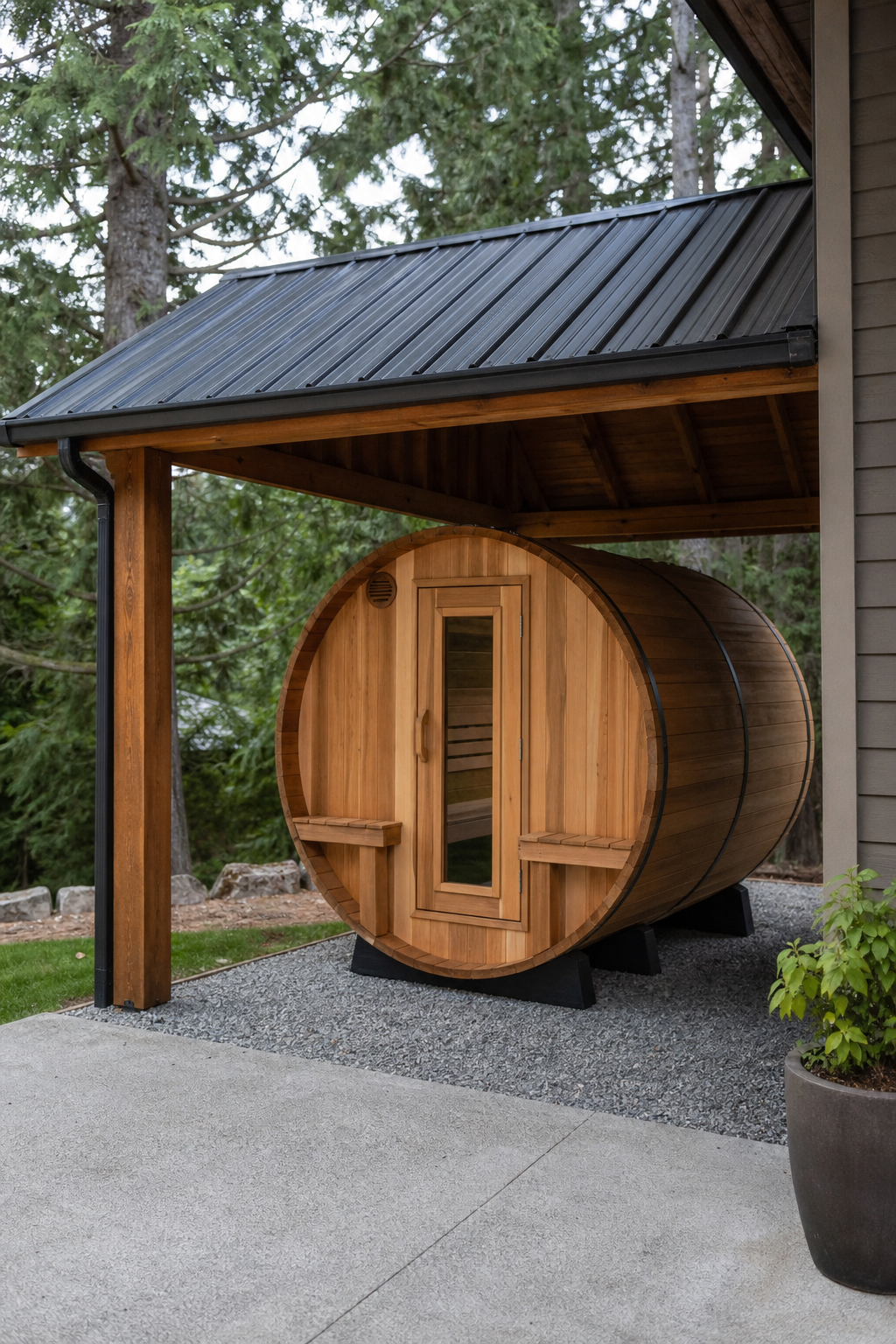
Installing a cedar barrel sauna isn’t rocket science, but it takes planning. The two most important things: a level surface and good drainage. Uneven settling can warp the door frame , just ask any owner who skipped this step. One YouTuber had to trim wood and add felt to fix a misaligned door after the ground shifted.
Start by choosing a location that’s flat. A concrete slab, gravel pad, or even patio stones work well. Make sure the ground slopes away for water runoff. If you place it on grass, the base will sink unevenly. Haven of Heat’s placement guide recommends at least 6 inches of compacted gravel for drainage.
Next, think about weather protection. Barrel saunas are not waterproof , water can seep between the staves. Most manufacturers recommend a roof or cover. Buy it upfront, or budget for a metal roof upgrade. The Dundock Naughty Cedar offers a beveled roof with a metal option that’s well worth the add-on.
Electrical is another consideration. Most electric barrel saunas need a dedicated 220V circuit. Hire a licensed electrician to run the line. Wood-burning models don’t need electricity, but they require a chimney clearance and proper fire safety.
Finally, check for local permits. Some municipalities require a permit for an outdoor structure. Also, keep the sauna at least 3 feet from fences or combustible walls.
For more ideas on outdoor sauna options, you can browse our best outdoor saunas article to compare different setups.
Bottom line: Invest in a solid, level base and a weatherproof roof from day one , it’ll save you headaches and money down the road.
Long-Term Maintenance and Durability Tips
Your cedar barrel sauna will last decades if you maintain it. But “maintain” doesn’t mean just leaving it alone. Here are the key things you need to do.
1. Tighten the bands regularly. The steel bands that hold the staves together will loosen as the wood expands and contracts. Check them every 3, 6 months. Don’t overtighten , you want a snug fit, not crushing pressure. One owner had to loosen bands because the door wouldn’t close after a hot summer.
2. Manage moisture. If you live in a rainy climate, your sauna will get wet inside even if you have a roof. After each use, leave the door open to dry out. Consider a small fan to circulate air. Saunafin’s weather protection guide suggests applying a water-repellent sealer to the exterior every 2, 3 years, but never seal the inside , it traps moisture and can cause off-gassing.
3. Address warping early. If the door sticks or the wood shifts, don’t panic. Usually, trimming a bit of wood or adjusting the bands fixes it. Some owners add felt weatherstripping around the door to seal gaps.
4. Protect the interior. The cedar inside will darken over time from heat and steam. That’s normal. But if water stains appear, it means you have a leak. Use a silicone sealant around the heater and vents. And never use harsh chemicals on the wood , just water and a soft brush.
5. Seasonal care. In snowy climates, brush off heavy snow from the roof to avoid stressing the structure. In summer, check for UV damage. A good stain with UV blockers helps maintain the wood’s color.
Bottom line: With regular band tightening and periodic sealing, your cedar barrel sauna can easily last 15, 20 years with proper care.
Frequently Asked Questions
How long does a cedar barrel sauna last?
With proper maintenance, a cedar barrel sauna can last between 15 and 25 years. The key factors are the quality of the wood, how well you maintain the bands, and whether you have a roof cover to protect it from rain and snow. Regular sealing of the exterior every 2, 3 years also extends its life.
Can I put a cedar barrel sauna on grass?
It’s not recommended. Grass is uneven and will settle over time, causing the sauna to warp. Even if you level it initially, the shifting ground can misalign the door and create gaps between staves. A gravel pad, concrete slab, or patio stones are much better options.
Do barrel saunas heat up evenly?
Yes, the curved shape promotes better heat circulation compared to square saunas. Hot air rises and rolls down the curved walls, minimizing the temperature difference between floor and ceiling. Most electric barrel saunas reach 180°F in about 20 minutes.
What size barrel sauna should I buy?
For 1, 2 people who want to sit, a 4-foot diameter, 2-person model works. For laying down, go with a 6-foot diameter or larger. Family use of 4, 6 people requires a 7- or 8-foot barrel. Always check internal bench width and headroom if you’re tall.
Do I need a roof for a barrel sauna?
Yes, even though the wood is naturally resistant, rain can seep between the staves and cause water damage. A roof or protective cover is essential for longevity. Many manufacturers sell metal or shingle roof kits as an add-on.
How do I tighten the bands on my barrel sauna?
The bands use a bolt-and-nut system. Use a wrench to tighten the nuts evenly on each band. Tighten just enough to close gaps, but not so much that the wood starts to crack. Check every 3 months, especially after temperature changes.
Can I use a barrel sauna indoors?
Technically yes, but you need proper ventilation and drainage. Barrel saunas are designed for outdoor use because of their shape and wood expansion. Indoors, you’d need a sealed floor, moisture barrier, and heat-rated walls. It’s usually simpler to keep it outside.
What’s the difference between electric and wood-burning barrel sauna?
Electric models are cleaner, easier to control, and often Wi-Fi enabled. They heat up quickly and are great for convenience. Wood-burning models give that traditional smoky aroma and don’t require an electrician, but they need more maintenance and a chimney.
Conclusion
Choosing a cedar barrel sauna is a big investment, but it’s one that pays off in health, relaxation, and property value. The key is to shop smart: prioritize Western red cedar for durability, check the hidden specs like insulation thickness, and plan your installation carefully with a level base and roof cover.
Remember that maintenance is straightforward , tighten the bands, manage moisture, and seal the exterior every few years. Avoid common mistakes like placing it on grass or skipping the roof, and you’ll enjoy your sauna for decades.
After your sauna session, your skin is clean and receptive to natural care. Many enthusiasts turn to OM Botanical’s plant-based Ayurvedic skincare to soothe and hydrate after heat exposure , a perfect complement to your wellness routine.
Ready to bring the spa experience home? Start by measuring your backyard and comparing models. Then make the leap , you won’t regret it.