
Cold plunge benefits are more than a trend. In 2026, researchers and athletes alike explore how exposing the body to cold water can support recovery, mood, and immune resilience. This guide breaks down what a cold plunge is, how it works in the body, and how to use it safely. You’ll learn usable setup tips, the science behind the mood and metabolic effects, and how to pair cold exposure with heat for contrast therapy. We’ll also cover safety pitfalls and how to tailor a plan to your life in the desert, where Luxury Hot Tubs helps homeowners craft premium wellness spaces that stand up to hot summers and mineral-rich water. By the end, you’ll know how to approach cold plunges with a clear, evidence-based plan rather than hype.
Cold plunge benefits aren’t one-size-fits-all. You’ll see how the body’s stress response, inflammation, and immune signaling interact with temperature and duration. This explainer weaves together key findings from peer‑reviewed research and usable guidance to help you decide if a cold plunge belongs in your wellness routine.
What a Cold Plunge Is and How It Works
A cold plunge is simply submerging the body in very cold water for a short period. Typical water temperatures range from about 35°F to 59°F (2°C to 15°C), and sessions often last under 10 minutes. People dip in for a quick shock early on, then adapt over time. The body reacts with a burst of sympathetic activity, faster breathing, higher heart rate, and a surge of stress hormones. This is the cold shock response, which can wake you up and sharpen your senses in the moment.
Over minutes, the body works to conserve heat. Blood vessels in the skin constrict, redirecting blood to core organs. If you repeat cold exposures, your body can become more efficient at generating heat via non-shivering thermogenesis, a process that uses brown fat and muscle energy to keep you warm. In research terms, norepinephrine is a key player in this response. It helps activate brown-fat mitochondria to burn fuel and generate heat, which contributes to the metabolic cues people notice after a session.
Why this matters is usable. Short, repeated cold exposures can train the system to manage stress better, not just in the tub but in daily life. If you approach cold plunges with a plan, gradual entries, measured durations, and a cooldown, your body learns to tolerate the stress without overreacting. This is the hormetic principle in action: a little stress can strengthen the system over time.
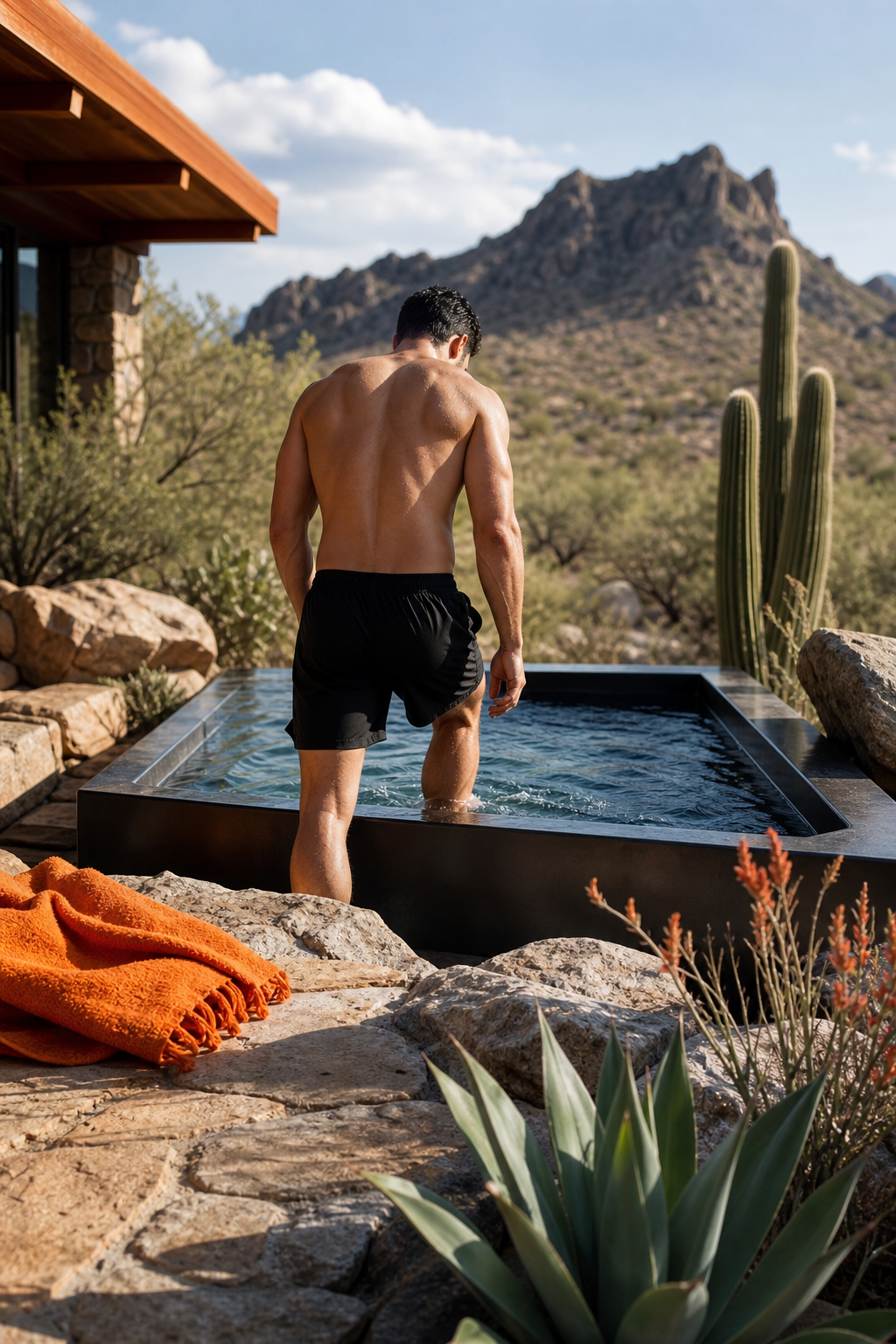
In the lab, these responses map to changes in brain networks tied to attention, emotion, and stress processing. In plain terms: you feel a quick surge of alertness, then a calmer, more focused mood a few hours later. That connection between the body’s automatic stress response and mood is a central thread of cold plunge benefits. For more about how cold exposure affects mood and brain networks, see the related research that connects short bouts of cold-water immersion with shifts in brain connectivity.
Bottom line for beginners: start with a warm-up that includes a readiness check, a water temperature around 50, 59°F (10, 15°C), and a short duration like 1, 2 minutes. Gradually increase exposure as your tolerance grows, but never push beyond what your body signals as safe. If you’re curious about at-home setups and a step-by-step approach, you can explore a usable guide tailored to home use in our linked resource.
Key takeaway: cold plunges trigger a rapid stress response that, when dosed carefully, can recalibrate mood and alertness without long-term risk for healthy adults.
Key Health Benefits of Cold Plunges
Cold plunge benefits span recovery, mood, and metabolic signaling. Recovery effects, like reduced muscle soreness and faster repair, have been observed in multiple studies that track inflammatory and metabolic markers after exposure. In one set of trials, cold water immersion helped reduce markers of muscle damage and inflammation in the hours after exercise, especially when the water temperature and duration align with studied protocols. The mechanism is not purely local; systemic signals and immune modulations appear to play a role as well. The broader picture shows that cold plunges can be part of an integrated recovery plan for trained athletes and active people alike.
From a mood perspective, cold immersion can lift positive affect and dampen negative affect for many people. The body’s stress response, coupled with changes in brain connectivity, seems to contribute to a quick shift in mood that can last beyond the session. For some, this translates into improved focus, better sleep, and a feeling of reset after a tough day. In addition, the acute release of catecholamines can produce a short-term energizing effect that some users find helpful for workouts or early-day routines.
Metabolically, cold exposure prompts a spike in norepinephrine and can engage brown adipose tissue (brown fat). Brown fat is known to burn calories to generate heat. While the magnitude of brown-fat-driven calorie burn varies by person and baseline fat stores, the basic physiology is well supported in the literature. Importantly, the brown-fat story should not be overstated as a weight-loss plan; the calorie impact from a few minutes of cold exposure is modest, but it contributes to a broader energy balance picture when paired with activity and diet.
Evidence synthesis across multiple studies suggests a pattern: cold plunges offer a predictable, time-limited boost to recovery, mood, and metabolic signaling, with cardiovascular safety generally supported for healthy adults when done within established guidelines. The body’s response includes a rapid vasoconstriction at the skin, improved blood flow to core organs, and a hormonal cascade that can improve resilience over time. To translate this into practice, aim for brief sessions several times a week, pay attention to how you feel, and pair cold exposure with heat if you’re exploring contrast therapy.
In a operational setting, this means you can weave cold plunges into a weekly plan alongside workouts, hydration, and sleep routines. For people in hot desert climates, the contrast with heat therapy can be particularly appealing, and it aligns with a broader wellness strategy that combines stress exposure with recovery tools. Keep the pace gradual, monitor how you feel, and respect your body’s signals for rest days or shorter sessions when needed.
Safety, Risks, and Contraindications
Cold plunges are not for everyone. The initial shock can cause a temporary spike in blood pressure, rapid breathing, and a gasp reflex. For people with cardiovascular disease or certain rhythm disorders, cold exposure can pose real risks. Medical guidance is advised before starting a regular program, especially if you have a known heart condition, circulatory problems, Raynaud’s phenomenon, or peripheral artery disease. Even in healthy adults, long or overly cold sessions can lead to hypothermia or non-freezing cold injuries to hands and feet if you’re not careful.
To stay safe, follow conservative guidelines: pick a temperature in the 50, 59°F (10, 15°C) range, begin with 1, 2 minutes, and monitor how you feel. If you have a medical condition or take medications that affect cardiovascular function, consult a clinician before attempting cold plunges. Symptoms such as dizziness, numbness, or persistent shivering after you exit the water are signals to stop and warm up. Always enter slowly and avoid forced immersion that exceeds your comfort or safety thresholds.
For readers who want clear medical framing, a trusted health source notes that the cardiovascular risks are most pronounced in preexisting conditions and that cold plunges are not a universal panacea. In discussing safety, it’s important to balance curiosity with caution and to treat cold plunges as a tool, not a cure. If you’re unsure, start with a cold shower or a shorter outdoor swim on a moderate day and build up gradually from there. And if you’re dealing with any medical concern, a doctor’s input should guide your plan.
For a deeper dive on safety, consult authoritative guidance. Harvard Health’s take on heart safety and cold plunges offers a thoughtful look at who should pause and who can proceed with care.
Usable Integration: Programming, Home Setups, and Heat Synergy
Putting cold plunge benefits into daily life means mixing smart programming with a setup that fits your home and routine. If you own a premium desert home, a well‑built plunge or tub system can be integrated with heating and water care that stands up to mineral-rich water and 115°F summers. Start with a weekly plan that keeps total exposure between 6, 15 minutes, split across 2, 3 sessions. Track your response to each session, breath control, heart rate, mood after 1 hour, and the next day’s soreness or energy level. Use a water thermometer to confirm your target range, and keep a simple log to observe patterns over weeks.
When it comes to home setups, you have options: a dedicated cold plunge tub with a chiller, or a tub that doubles as a spa with a built-in chill. A DIY approach using a sturdy tub and a portable chiller can work, but you’ll want to ensure it’s insulated and level to prevent temp swings. Professional installation in a desert home reduces risk and ensures electrical safety, drainage, and accessibility for on-site service. If you’re unsure, consult an authorized dealer like Luxury Hot Tubs for on-site planning of space, access, and water care programs that balance the spa and plunge needs.
Heat synergy, or contrast therapy, is a proven pairing that can enhance the benefits. The pattern is simple: heat first to induce vasodilation and then cool to trigger vasoconstriction and a cascade of recovery signals. The timing matters. A typical cycle is 10, 15 minutes in heat (sauna, heat bath) followed by 1, 3 minutes in cold water, repeated 2, 3 times. The goal is to create a hormetic stress that your cells respond to with improved function rather than overdrive. If you go too long in heat or too long in cold, the benefits can plateau or diminish. Start with modest cycles and increase only after you’ve built tolerance.
Pro Tip: Use a timer, a thermometer, and a heart-rate monitor if you want more precision. In practice, you’ll learn what feels safe and effective for you. If you’re handling a desert home’s climate, plan the plunge during cooler parts of the day or in shaded areas to minimize heat load. The result is a reliable, enjoyable habit rather than a one-off stunt.
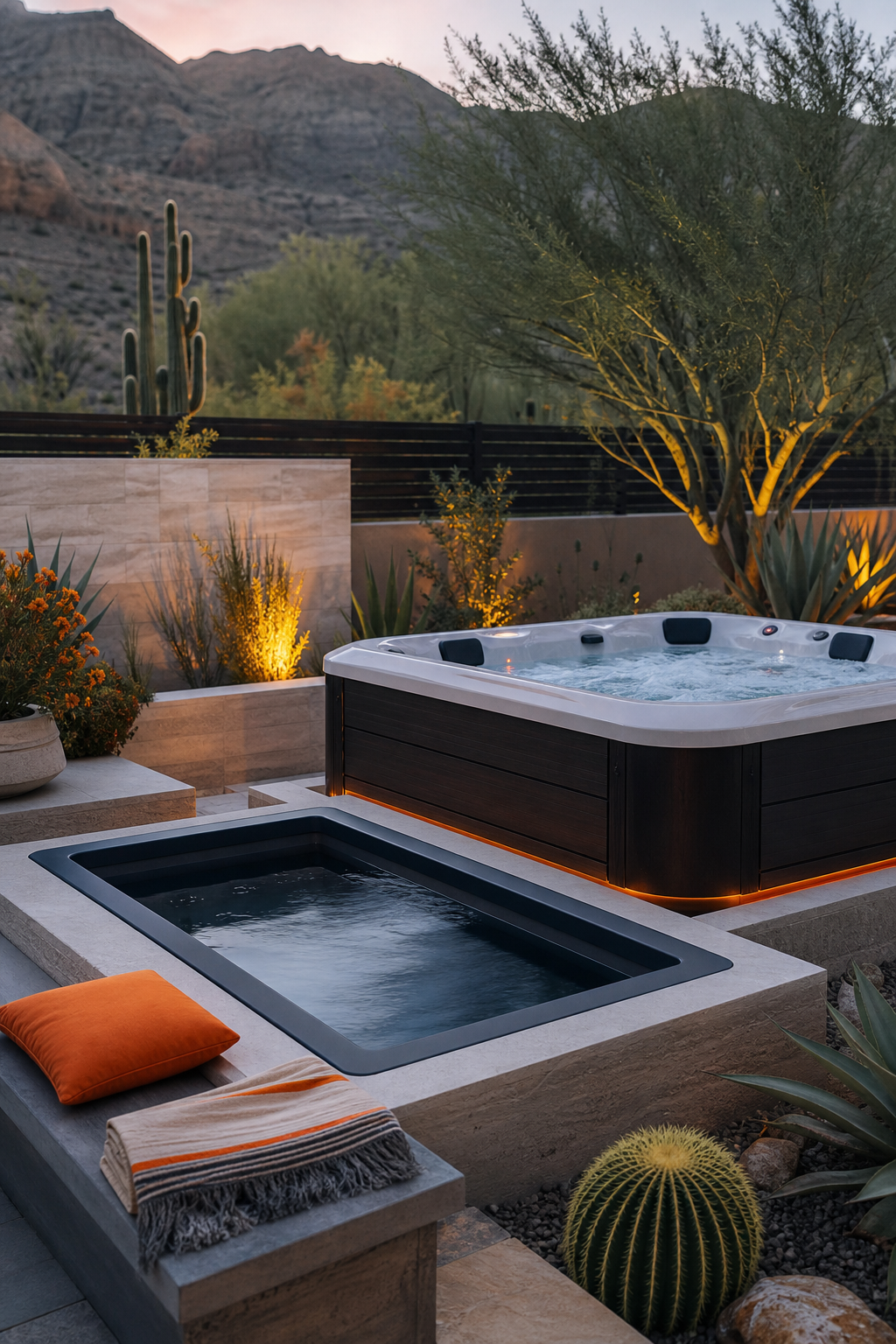
To learn more about how to compare cold plunge options and to see recommended configurations, s on our site. And if you’re considering financing or a full wellness package, see the financing options to help plan the investment over time.
Frequently Asked Questions
Q1: What exactly is a cold plunge, and what temperature and duration are typical?
A cold plunge is a brief submersion in cold water, usually in the range of 35, 59°F (2, 15°C). Most people start with 1, 2 minutes and gradually move toward 4, 6 minutes as comfort and safety allow, staying under 10 minutes. The key is gradual exposure and listening to your body. If you have a medical condition, especially heart-related, talk to a clinician before starting a routine. Remember, the goal is a controlled stimulus, not a race to see how long you can stay in.
Q2: What are the main benefits I should expect from regular cold plunges?
Regular cold plunges can support recovery by reducing soreness and inflammatory signaling after workouts, improving mood and energy, and stimulating metabolic signaling in brown fat. The effect size varies with temperature, duration, and frequency. Expect small to moderate improvements in daily energy, a clearer mood for several hours after a session, and a slight boost in post-exercise recovery when paired with proper nutrition and sleep. Don’t expect dramatic weight loss from cold exposure alone.
Q3: Are cold plunges safe for most healthy adults?
For healthy adults, cold plunges are generally safe when done with proper guidelines. Start with shorter exposures, avoid very cold water for long durations, and monitor for dizziness, numbness, or excessive shivering. If you have high blood pressure, arrhythmias, or a history of heart disease, seek medical guidance first. Hydration and a warm recovery after exiting the water matter too. Always have a buddy nearby when you try a new session.
Q4: How should I pace improvements or progression over weeks?
Progress gradually. Increase duration by 30, 60 seconds every week or two as long as you’re comfortable. Consider dividing sessions into multiple short bouts rather than one long one. If you notice heightened anxiety, persistent shivering, or fatigue, reduce the duration or frequency. Track your mood, soreness, and energy, and adjust accordingly. The goal is steady improvement, not rapid escalation that could backfire.
Q5: Can cold plunges be paired with heat like a sauna?
Yes. Contrast therapy, alternating heat and cold, can boost circulation, mobility, and recovery signals. Structure it with modest heat sessions (10, 15 minutes) and brief cold dips (1, 3 minutes) across 2, 3 cycles per session. Keep total weekly cold exposure around 11 minutes if you’re following common hormetic guidelines. This approach is commonly used in wellness spaces and can fit a desert home if planned carefully for safety and comfort.
Q6: Are there gender differences in response to cold plunges?
Research suggests there may be differences in brown-fat stores and metabolic responses between genders, which can influence the magnitude of some cold plunge benefits. Women often have higher brown-fat stores than men, potentially altering the metabolic and mood effects. However, individual tolerance, fitness level, and health status influence outcomes more than gender alone. Start conservatively and monitor how your body responds, then tailor your routine accordingly.
Q7: What’s the best way to start if I’m a beginner?
Begin with a cold shower or a short outdoor dip at a comfortable temperature, then progress to a cold plunge with a partner or trainer present for safety. Keep sessions brief, and don’t rush progression. Maintain a log of how you feel during and after each session. If you have any medical concerns, talk to a clinician before starting. The key is consistency and safety, not novelty or speed.
Conclusion
Cold plunge benefits are a real option for people who want a structured, science-aligned approach to recovery, mood, and metabolic signaling. The evidence supports modest but meaningful effects when used with care: brief, regular exposures that respect your body’s signals, paired with heat as a controlled contrast. In 2026, with desert living and premium wellness spaces, the usable path is clear, start small, stay safe, and track how you feel over weeks. If you’re curious about a broader wellness strategy that includes cooling, heating, and long-term home investment, our team can help you map a plan that fits your space and your life. For a deeper look at the options available, explore the Top 5 Cold Therapy Options link below.
To learn more about different cold therapy routes and how to compare them, check out:
Top 5 Cold Therapy Options: Cold Plunge vs Ice Bath Compared