
Cold therapy feels like the easiest way to speed up recovery, lift mood, and sharpen focus. Yet most people don’t know which tool gives the best bang for the buck. In this guide you’ll see a short list of the five most popular cold‑treatment options, learn how each works, and walk away with a clear sense of which one matches your budget, space, and goals.
Whether you’re a weekend warrior, a seasoned athlete, or just looking for a daily reset, the choices below cover everything from a simple tub of ice to a high‑tech cryotherapy chamber. Let’s jump in.
If you’re wondering how to set up a home system, check out How to Cold Plunge at Home: Step-by-Step Guide for a practical walk‑through.
1. Cold Plunge , Immediate Full‑Body Chill
A cold plunge is a purpose‑built tub that keeps water at a steady, chilly temperature, usually between 50‑60°F (10‑15°C). The water stays cold without you having to add ice each session, so you get a repeatable dose of cold each time you step in.
Research shows that immersing the body in this range for 3‑10 minutes triggers vasoconstriction, a quick drop in inflammation, and a surge of endorphins that lift mood for hours afterward. The effect is strong enough to cut delayed‑onset muscle soreness (DOMS) for up to four days, yet mild enough that most healthy adults can tolerate it with minimal risk. Wikipedia explains cold therapy’s basic mechanisms.
Because the temperature is controlled, you can fine‑tune the exposure to match your training cycle. Strength athletes often limit sessions to 2‑3 minutes to avoid blunting muscle‑growth signals, while endurance runners may stay for 8‑10 minutes to boost circulation and speed recovery.
Cold plunges also pair well with breathing techniques. A simple box‑breathing pattern (4‑4‑4‑4) helps you stay calm as the cold hits, reducing the shock response and letting you stay longer.
When you step out, the sudden warm‑up triggers a rebound vasodilation that flushes metabolic waste out of the muscles. That “pump” is why many athletes feel less sore after a session.
Bottom line:Cold plunges are the go‑to for users who want a stable, repeatable cold dose without the hassle of ice.
2. Ice Bath , Traditional Submersion Method
Ice baths are the classic DIY option: fill a tub, dump in a bag or two of ice, and stir until the water hits the target chill. Temperatures typically sit between 40‑50°F (4‑10°C), making the experience noticeably more intense than a standard cold plunge.
The biggest draw is cost. You can set one up for under $200 using a regular bathtub and a few bags of ice. The downside is inconsistency, water temperature can swing 5‑10°F from session to session, and you have to chase down ice each time.
Scientists note that ice baths at 0‑5°C (32‑41°F) can reduce inflammation quickly, but the colder the water, the higher the risk of hypothermia and the more likely you’ll cut the session short. Most athletes stay in for 3‑6 minutes when the water is this cold, versus 8‑10 minutes at milder temps.
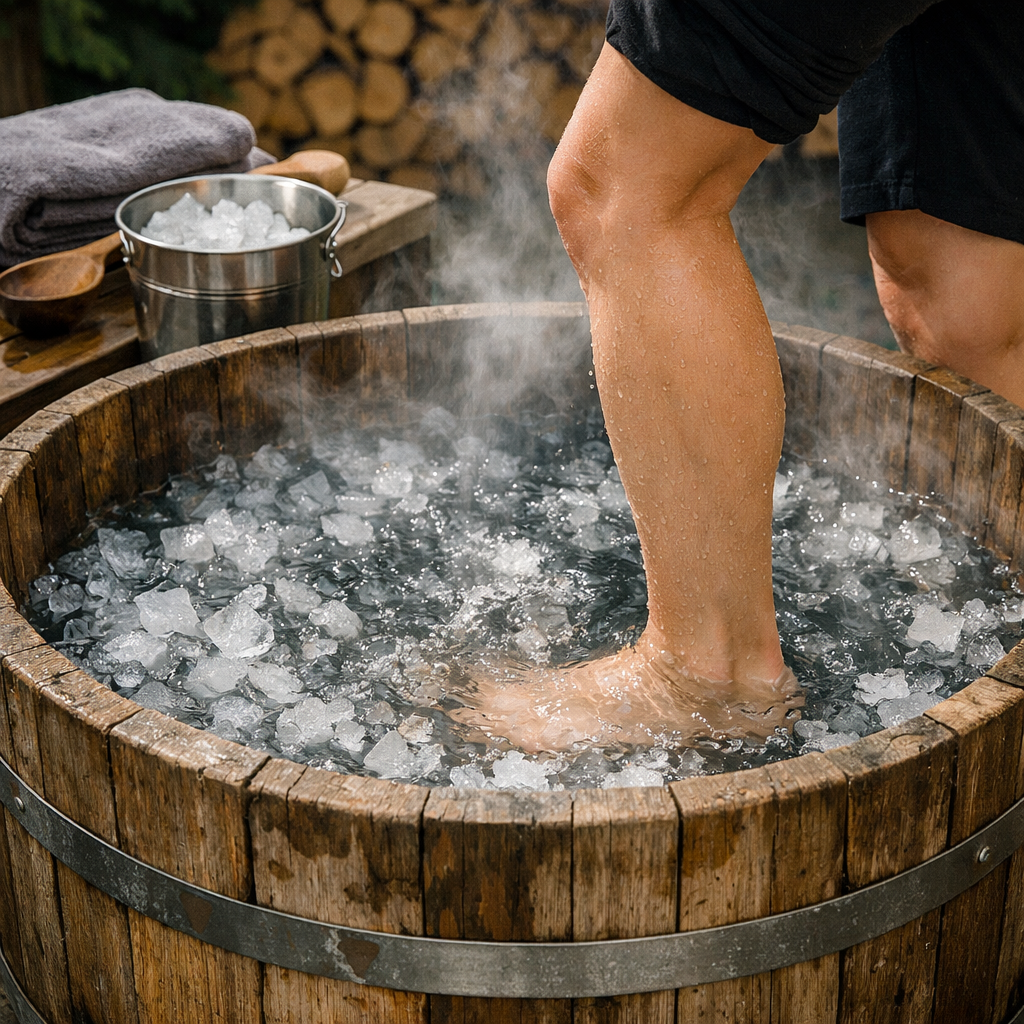
Because the temperature is less precise, ice baths are best for occasional use or when you don’t have space for a permanent tub. They also work well for pre‑workout activation, brief exposure can numb nerves and make the upcoming lift feel easier.
Safety matters. Always have a timer, and never stay longer than 15 minutes. If you feel tingling, intense shivering, or dizziness, get out immediately and warm up gradually.
Ice baths also fit well into a team setting. A locker‑room can host a single large tub that multiple players share, making it a cost‑effective way to offer cold therapy to a whole squad.
Bottom line:Ice baths deliver a deep, intense chill at a low price, but they demand more prep and carry a higher risk of temperature drift.
3. Cryotherapy Chamber , High‑Tech Cold Therapy
Whole‑body cryotherapy (WBC) uses liquid nitrogen or electric coolers to blast the skin with air that’s , 110 to , 140°F (‑80 to , 96°C) for 2‑5 minutes. The exposure is short, but the temperature drop is extreme, creating a rapid hormonal response that many athletes swear by.
Because the chamber controls the environment, you never have to worry about ice, water, or cleaning. Sessions are quick, just a few minutes in a sealed pod, so they fit easily into a busy schedule.
Research from the Wellness People comparison shows that both ice baths and cryotherapy reduce inflammation, pain, and muscle damage markers, but cryotherapy does it with far less discomfort because the cold is delivered through dry air rather than water.
One downside is cost. A single‑session pass can run $40‑$80, and a home‑install model can cost several thousand dollars. You also need to find a certified cryo center near you, which may not be available in all regions.
People with Raynaud’s disease, uncontrolled hypertension, or cold allergies should avoid cryotherapy unless cleared by a doctor. The short exposure limits the risk of hypothermia, but the extreme cold can still trigger vascular spasms in sensitive individuals.
For those who love data, many cryotherapy facilities provide a post‑session report with skin temperature, heart rate, and perceived exertion scores, helping you track progress over time.
Bottom line:Cryotherapy offers the fastest, most controlled cold dose with minimal discomfort, but it comes with a higher price tag and limited venue availability.
4. Contrast Therapy , Hot‑Cold Alternating Sessions
Contrast therapy mixes hot water (100‑110°F) and cold water (50‑60°F) in cycles, usually 3‑5 minutes of heat followed by 1‑2 minutes of cold. The back‑and‑forth creates a vascular “pump” that improves circulation far more than a single‑temperature soak.
Ancient Greeks and Romans used hot‑cold baths to speed healing, and modern sports medicine still recommends the method for faster removal of metabolic waste and reduced joint stiffness.
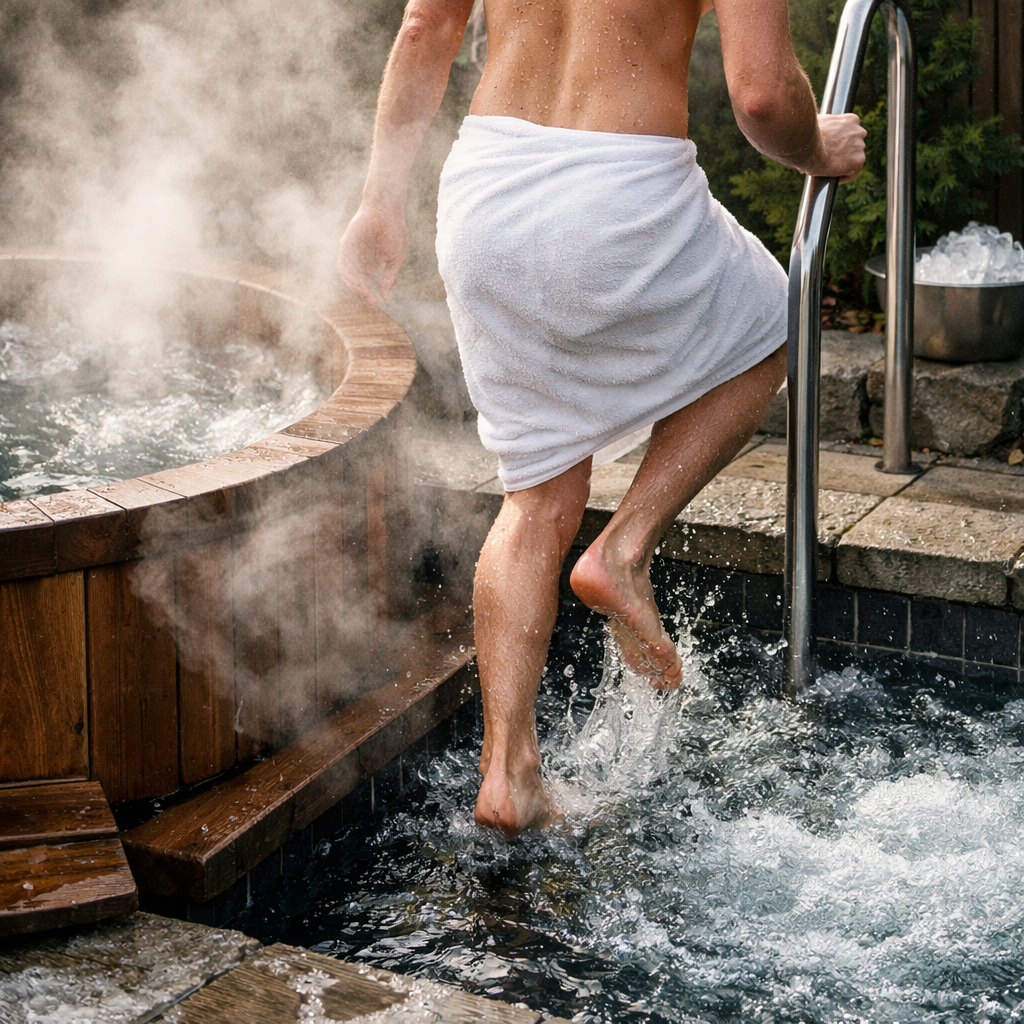
The hot phase dilates blood vessels, delivering oxygen and nutrients, while the cold phase constricts them, flushing out waste. Repeating the cycle three to four times can lower perceived soreness by up to 30% compared with a single ice bath.
Contrast therapy also feels easier on the mind. The brief cold bursts are less intimidating than a full‑length ice bath, making the routine more likely to stick.
Safety tip: never jump straight from hot to cold; always give your skin a few seconds to adjust. Also, keep the total session under 20 minutes to avoid over‑taxing the heart.
Because you need two temperature sources, many home gyms set up a regular shower for the hot side and a portable cold plunge or ice bath for the cold side. This makes contrast therapy a flexible option for any space.
Bottom line:Contrast therapy blends the best of heat and cold, delivering superior circulation and recovery benefits with a manageable level of discomfort.
5. Portable Ice Barrel , DIY Cold Plunge at Home
An ice barrel is a vertical, insulated tub made of high‑density plastic that you fill with water and ice. Because it holds less water, usually 80‑100 gallons, it cools quickly and is easy to move, making it perfect for off‑grid cabins, backyard setups, or even a garage.
Prices range from $160 for a basic bag‑only kit to $500‑$800 for a fully insulated barrel with a built‑in lid. The low volume means you can achieve the target 50‑60°F range with a few bags of ice, and the barrel’s shape lets you sit comfortably with shoulders submerged.
Backcountry Recreation notes that ice barrels shine for beginners because they require minimal infrastructure, just a water source and ice. They also pair well with solar‑powered pumps if you’re off the grid.
Maintenance is straightforward: drain and refill every week, wipe down the interior, and keep the lid on when not in use to preserve the chill.
While the barrel doesn’t offer precise temperature control, you can gauge the water temperature with a simple aquarium thermometer. Most users find the experience comparable to a cold plunge, especially once they get the habit of adding the right amount of ice.
For a deeper dive into the science behind cold exposure, see a study on cold water immersion’s impact on inflammation in the Peer‑reviewed journal article.
Bottom line:Ice barrels give you a portable, low‑cost entry point to regular cold therapy, ideal for those who value flexibility over precise temperature control.
How to Choose the Right Cold Therapy Option
Picking a cold‑treatment isn’t about which one sounds coolest; it’s about matching the tool to your lifestyle, budget, and goals. Ask yourself these three questions:
- How often will you use it?Daily users benefit from a dedicated plunge tub or cryotherapy chamber that delivers consistent temps. Occasional users may be fine with an ice bath or barrel.
- What space do you have?A full‑size plunge needs a permanent spot and plumbing. An ice barrel or portable tub fits a garage or patio.
- What’s your budget?Ice barrels start under $200, while cryotherapy chambers can exceed $5,000 for a home unit.
Once you answer these, you can line up the options side‑by‑side and see which one ticks the most boxes.
Bottom line:The right choice balances use‑case, room, and wallet, ensuring you’ll actually stick with the therapy.
Cold Plunge vs Ice Bath , Quick Comparison Table
Data on price sp that found the median starting price at $2,999, with low‑end options around $160 and high‑end models topping $6,500. MedEq Fitness analysis
Bottom line:The table highlights where each method shines, helping you pick the tool that fits your needs.
FAQ
Can I combine a cold plunge with heat therapy?
Yes. Many athletes follow a contrast routine: 10‑15 minutes in a sauna or hot tub, then 1‑3 minutes in a cold plunge. The alternating temps create a vascular pump that speeds waste removal and improves flexibility. Just make sure you give your body a minute to adjust between extremes to avoid a sudden shock to the heart.
How long should a beginner stay in a cold plunge?
Start with 30‑60 seconds at the higher end of the temperature range (around 59°F/15°C). Each session, add 15‑30 seconds until you can comfortably stay for 2‑3 minutes. Listening to your body is key, if you feel dizzy or numb, exit immediately and warm up.
Is cryotherapy safe for people with heart conditions?
Whole‑body cryotherapy can raise blood pressure temporarily. If you have hypertension, arrhythmia, or any cardiovascular disease, get clearance from a doctor first. Many clinics require a short health questionnaire before allowing a session.
Do I need special water treatment for a cold plunge?
Most plunge tubs come with built‑in filtration and UV or ozone sanitizing systems. Change the filter every 3‑4 months and keep the water level topped up. If you’re using a DIY barrel, a simple chlorine or bromine tablet can keep the water clear, but rinse thoroughly before each use.
What’s the best time of day for cold therapy?
Morning sessions can boost alertness and metabolism, making them a great wake‑up ritual. Evening sessions help calm the nervous system and improve sleep quality, as long as you give yourself two hours to warm up before bed. Choose the slot that aligns with your daily rhythm.
How does cold exposure affect weight loss?
Cold water triggers brown‑fat activation, which burns calories to generate heat. Regular sessions (2‑3 times a week) can modestly increase daily energy expenditure, but it’s not a magic bullet. Pair cold therapy with a balanced diet and regular exercise for best results.
Can I use a cold plunge if I have sensitive skin?
Yes, but start with milder temps (around 60°F) and keep sessions short. Adding a gentle, fragrance‑free cleanser after the plunge can prevent skin dryness. If you notice persistent redness or itching, reduce exposure time or consult a dermatologist.
Do I need a professional to install a cold plunge?
For a chiller‑equipped model, you’ll need electricity (typically 110‑240 V) and proper drainage. Many owners hire a licensed electrician or a spa installer to ensure safe wiring and level placement. Portable, ice‑only setups need no professional help, just a sturdy flat surface.
Conclusion
Cold therapy offers a spectrum of options, from the low‑cost simplicity of an ice barrel to the high‑tech precision of a cryotherapy chamber. Your choice should line up with how often you plan to use it, how much space you have, and what you’re willing to spend. The five picks above cover every budget and lifestyle, and the quick comparison table makes it easy to spot the right fit.
Ready to make a move? Luxury Hot Tubs can help you select, install, and maintain the perfect cold‑therapy system for your home, ensuring you get clean, consistent water and reliable performance for years to come.
Bottom line:Pick the cold tool that matches your routine, set it up safely, and enjoy faster recovery, better mood, and a boost in overall wellness.