
Feeling sore after a round of golf or a tough workout? You might think ice alone will fix it, but research shows a hot‑cold combo can do more. In this guide we’ll break down what contrast therapy is, how it works in your body, the top health benefits, and safe ways to add it to your routine. By the end you’ll know exactly how to use heat and cold for faster recovery, better mood, and lower pain.
What Is Contrast Therapy?
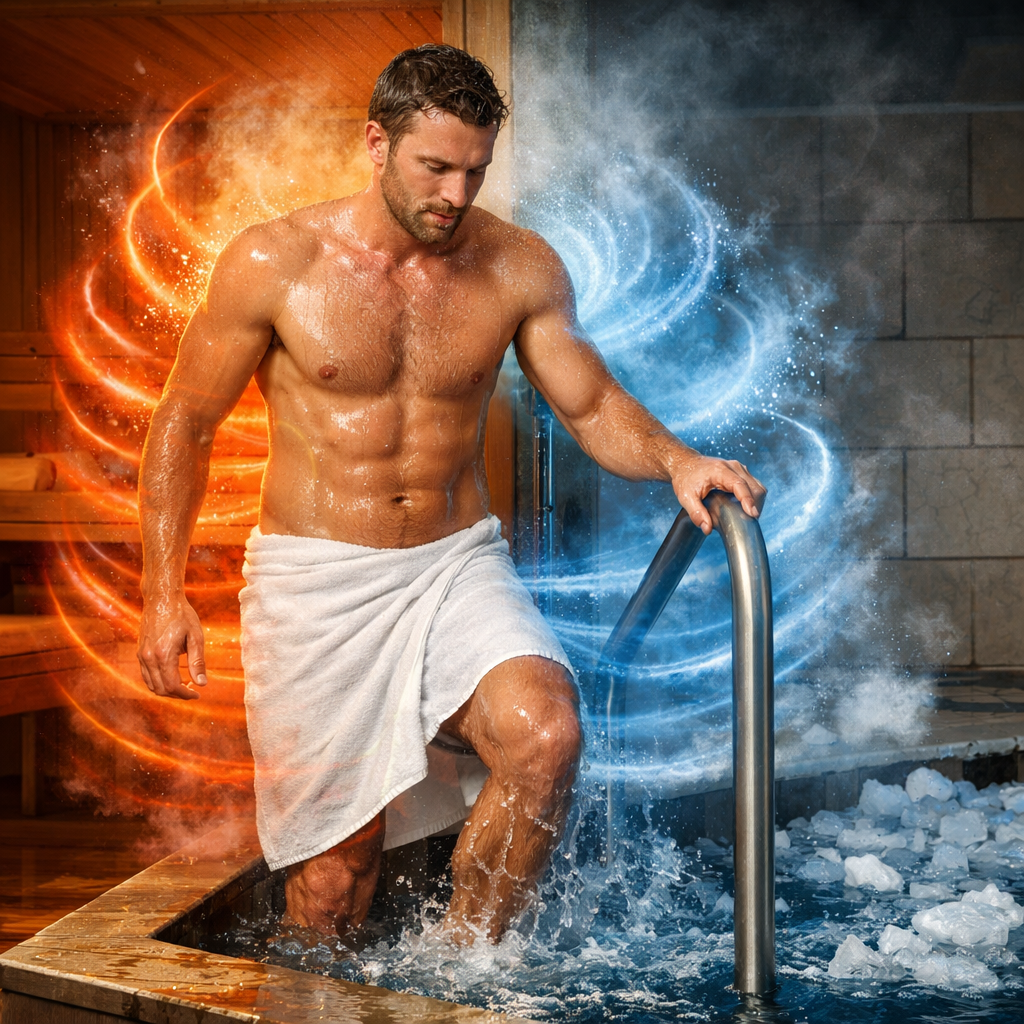
Contrast therapy, sometimes called a contrast bath, swaps hot water with cold water in a repeating pattern. The hot phase widens blood vessels, while the cold phase squeezes them shut. This push‑pull motion acts like a pump, moving blood and waste products in and out of your muscles.
People have used this idea for more than two thousand years, but modern science only recently measured the effect. A typical home setup might be a sauna or hot tub followed by a cold plunge, each lasting a few minutes, repeated two or three times.
Why does the body respond? Heat raises tissue temperature, which relaxes muscles and increases oxygen delivery. Cold drops the temperature, which slows nerve signals and cuts swelling. Switching back and forth forces the circulatory system to adapt quickly, which many athletes say feels like a reset button.
“Heat expands, cold contracts. Alternating them trains your body to handle stress and return to balance quickly.”
Contrast therapy can be done with full‑body immersion, a shower that alternates hot and cold taps, or a spa that offers both. The key is to keep the temperature difference big enough , usually hot at 104‑115°F (40‑46°C) and cold at 45‑55°F (7‑13°C).
Even though the method is simple, the exact timing varies. Some coaches recommend 8‑15 minutes of heat followed by 1‑3 minutes of cold, then repeat. Others start with cold to wake up the nervous system and finish with heat for relaxation.
Bottom line:Swapping hot and cold water triggers a natural pump that can speed up healing and lower pain.
Physiological Mechanisms Behind Contrast Therapy
When you sit in a hot tub, blood vessels near the skin open up , a process called vasodilation. More blood flows in, delivering oxygen and nutrients. Then you jump into a cold plunge, and the vessels snap shut , vasoconstriction , which pushes blood back toward the core and reduces swelling.
This back‑and‑forth motion creates a “pumping” effect that moves fluid through the muscle tissue faster than either hot or cold alone. A 2020 study found tissue oxygen levels rose by about 7 µM after a 30‑minute contrast session, showing real‑time improvement in blood flow.
Beyond circulation, the nervous system gets a boost. Cold slows the speed of nerve signals, which can dull pain temporarily (the gate‑control theory). Heat, on the other hand, raises the pain threshold and releases endorphins, giving longer‑lasting relief.
The combined effect also tampers with inflammation. Cold reduces cytokine production, while heat encourages collagen synthesis, helping tissue rebuild stronger.
Bottom line:Alternating heat‑induced vasodilation with cold‑induced vasoconstriction drives circulation, pain relief, and tissue repair.
Key Health Benefits: Muscle Recovery & Pain Relief
Most athletes turn to contrast therapy because it cuts down delayed‑onset muscle soreness (DOMS). A systematic review of 18 trials showed that contrast water therapy reduced soreness scores at every check‑in point from 6 to 96 hours after exercise.
Strength loss also drops. The same review found that participants who used contrast therapy kept more of their grip strength compared with those who just rested. In numbers, the effect size for soreness was about , 0.62, meaning a clear, measurable benefit.
Beyond soreness, contrast therapy helps with swelling. Cold narrows blood vessels, limiting fluid buildup, while heat later flushes the excess out. This “pump” can shave days off recovery time after a sprained ankle or a hard gym session.
People with chronic joint pain also report relief. Heat loosens stiff tissue, and cold eases the inflammation that makes the joint ache. Over weeks, regular sessions can improve range of motion without medication.
Luxury Hot Tubs’ premium spa models let you set precise temperature zones, making it easy to follow the hot‑cold rhythm at home. A quick dip in a Caldera® spa at 110°F followed by a 3‑minute cold plunge can give you the same vascular pump that elite athletes rely on.
Bottom line:Contrast therapy reliably lowers soreness, protects strength, and eases swelling, making it a top recovery tool.
Mental & Neurological Benefits
Heat and cold don’t just act on muscles; they also fire up the brain. When you heat up, your body releases norepinephrine, a chemical that sharpens focus and lifts mood. Cold does the same, and it also spikes dopamine, which fuels motivation and pleasure.
A blog from Generator Athlete Lab explains that heat raises brain‑derived neurotrophic factor (BDNF), the “Miracle‑Gro” for neurons. More BDNF means better memory and slower cognitive decline.
Cold triggers a protein called RBM3. This cold‑shock protein helps repair damaged synapses and even grows new neurons in animal studies. The boost can last for an hour after you finish the session.
Many high‑performers say they feel clearer and more creative after a contrast session. The mix of endorphins from heat and the wake‑up call from cold creates a balanced, energized state that lasts for a while.
Bottom line:Contrast therapy fuels neurotransmitters that improve mental sharpness and protect brain cells.
Practical Tips & Safety Considerations
Start slow. Begin with a warm soak of 5‑7 minutes at 100‑105°F, then a 30‑second cold dip at 50°F. Add a second round once you feel comfortable.
Hydration matters. Both heat and cold shift fluids, so drink water before and after each session. If you feel dizzy, step out, dry off, and sit for a few minutes.
Watch the temperature gap. A jump that’s too extreme can stress the heart. People with uncontrolled hypertension, heart disease, or pregnancy should get medical advice first.
If you own a hot tub, set it to a lower temperature (around 104°F) for contrast work. Most modern tubs let you program a quick switch to a cold‑water line or a separate plunge pool.
Never stay in the cold water longer than 3‑4 minutes. Prolonged exposure can cause numbness or a drop in core temperature that’s unsafe.
Check your skin for any irritation after each session. Heat can worsen certain skin conditions, and cold can trigger chilblains in sensitive people.
Bottom line:Use moderate temps, stay hydrated, and listen to your body to keep contrast therapy safe and effective.
FAQ
Can I do contrast therapy at home without a sauna?
Yes. A simple shower that alternates hot and cold taps works fine. Start with warm water for 5 minutes, then switch to cold for 30 seconds. Repeat once or twice. Keep the temperature swing wide enough , aim for at least a 30°F difference , so your body feels the shift. This low‑cost method still gives you the vascular pump effect.
How often should I use contrast therapy?
Most experts suggest 2‑4 sessions per week for general health. If you train hard, you can add a short session after each workout. Just make sure you give your body a day or two of rest between longer, more intense cycles.
Is contrast therapy safe for older adults?
It can be, but older adults should start with milder temps , maybe 95°F for heat and 60°F for cold , and keep each phase under 5 minutes. A doctor’s OK is wise if there are heart or circulation issues. Listening to any signs of dizziness or excessive shivering is key.
Will contrast therapy help with chronic joint pain?
Many people with arthritis report relief. Heat loosens stiff joints, while cold cuts the swelling that makes them ache. A regular routine of a warm soak followed by a brief cold dip can improve range of motion and lower pain scores over weeks.
Can I combine contrast therapy with exercise?
Absolutely. Use contrast therapy after a workout to speed recovery, or use a short cold burst before a high‑intensity session to boost alertness. Just avoid doing a long hot soak right before heavy lifting, as it may temporarily reduce strength.
Do I need special equipment?
No. A bathtub, shower, or portable cold plunge tub works. If you have a hot tub or sauna, you get more precise control. Some newer devices even switch between hot and cold with a button, which helps keep the timing consistent.
Conclusion
Contrast therapy blends heat and cold to create a natural pump that moves blood, clears waste, and fires up brain chemicals. The science shows real drops in muscle soreness, better strength retention, and a mood lift that can last for an hour. You don’t need a fancy lab , a sauna, a hot tub, or even a shower can do the job. Just follow safe temps, stay hydrated, and listen to your body.
If you’re ready to turn your backyard into a recovery oasis, Luxury Hot Tubs offers spa models that let you set exact heat levels and pair with a cold plunge. With a Caldera® spa, you get reliable temperature control and a sleek design that fits any desert home.
Start today, track how you feel, and enjoy faster recovery, less pain, and a sharper mind. Your body will thank you.