
Got cloudy water or flaky buildup in your spa? It’s probably calcium hardness acting up.
Below are ten proven ways to keep your hot‑tub water balanced, clear, and gentle on equipment.
1. Luxury Hot Tubs (Our Top Pick) , Premium full‑service solution
Luxury Hot Tubs offers a full‑service package that includes a Caldera® spa engineered for desert‑hard water, on‑site consultation, professional installation, and ongoing water‑care support. The package is built for homeowners who want a hassle‑free experience from start to finish. Because the brand tailors its filtration and shell coating to high‑mineral water, owners see fewer scale deposits and lower heater wear.
For a deeper look at choosing the right spa for mineral‑heavy water, see Best Hot Tubs for Mineral‑Heavy Water: Top Picks for 2026.
Owners who live in the Coachella Valley appreciate the proactive water‑softening advice that comes with every installation. The service plan also covers seasonal draining, filter cleaning, and calcium‑hardness testing, so you never have to guess when the water needs attention.

Calcium Hardness Adjustment Options
Adding calcium chloride can raise calcium levels quickly, useful when a fresh fill reads below the recommended minimum for hot tubs.
Typical dosing guidelines suggest adding a measured amount per volume of water, then circulating the water thoroughly.
Because the chemical is pure calcium, it does not introduce unwanted minerals. Wear gloves and add the dissolved solution to the spa after the pump has run for at least ten minutes.
Check the test strip after an hour; the hardness should rise into the recommended range.
3. Calcium Hardness Test Strips , Quick DIY testing
Test strips let you check hardness in seconds. Dip a strip in a water sample, wait the color change, and compare it to the chart on the package.
The strips are calibrated for the 0‑400 ppm range, which covers most residential hot tubs.
For reliable results, follow the guidance on Wikipedia’s water hardness entry, which recommends testing after the pump has run for a few minutes to ensure a uniform sample.
Regular testing, once a week for heavy users or monthly for occasional soakers, helps you catch drift before scaling or corrosion sets in.
4. Liquid calcium hardness treatments, Precise dosage control
Liquid treatments combine calcium chloride with a carrier, allowing precise dosing without handling powder.
A typical 1‑liter bottle can treat up to 2,000 gallons, offering a convenient drop‑in method for larger spas.
Use the included calculator on the kit’s label, or try an online calculator, which tells you how many ounces of the liquid you need based on current ppm and volume.
Because the liquid mixes instantly, you can adjust the level during a single circulation cycle, reducing the risk of overshooting the target.
5. Whole‑House Water Softener , Prevents hardness buildup
A whole‑house softener treats incoming water before it ever reaches your spa, swapping calcium and magnesium for sodium. The result is lower hardness in every faucet, shower, and fill line.
Water with more than 250 ppm calcium is classified as hard and can cause scaling in hot tubs.
Install the unit on the fill hose or at the main line, then run the spa water through the softener each time you refill. This pre‑treatment dramatically reduces the amount of calcium you need to manage later.
Remember to regenerate the resin regularly; most units alert you when salt is low.
6. Filtration, Capture minerals before they enter
Attach a filter to your fill hose. The mesh catches grit, sand, and a portion of dissolved minerals, giving the softener a cleaner feed.
Most filters are easy‑snap cartridges that you replace every 2‑3 months, depending on water quality.
When combined with a softener, the filter extends resin life and keeps your spa’s internal components clearer.
It’s a low‑cost step that pays off in reduced chemical use and fewer scale clean‑ups.
7. Draining & Refilling Schedule , Reset hardness levels
Even with treatment, minerals accumulate over time. Draining and refilling every 3‑4 months flushes out dissolved calcium and restores a fresh baseline.
Spa professionals advise watching for cloudy water, a lingering odor, or excessive foam as signs it’s time to change the water.
When you drain, also clean the filter and wipe the shell to remove any lingering scale. Then refill with softened or filtered water and retest the hardness.
This seasonal reset keeps your spa chemistry stable and protects the heater from scale‑induced overheating.
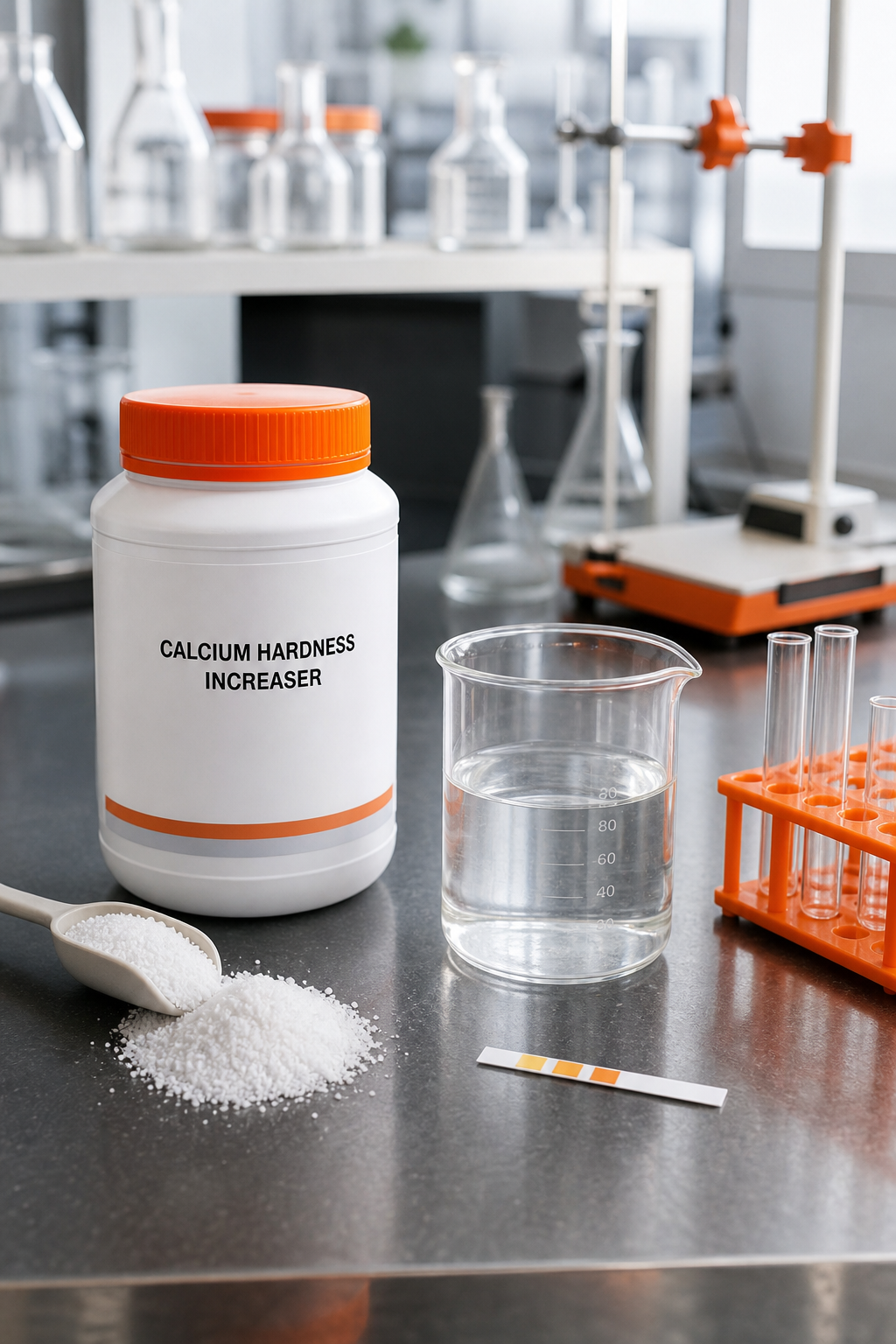
8. Commercial Calcium Hardness Increaser (generic formula) , Balanced formula
A commercial calcium hardness increaser blends calcium chloride with a sequestering agent, which keeps the added calcium from immediately forming scale.
The formula is designed for hot‑tub volumes up to 1,200 gallons, and the manufacturer recommends a dose of 0.5 lb per 500 gal to reach the 200 ppm target.
Because the sequester binds minerals, you see a smoother rise in hardness without the cloudy spikes that plain calcium chloride can cause.
Watch the water for a clear, steady color change on the test strip after the pump runs for 30 minutes.
9. Calcium Removal Products (e.g., Vanishing Act) , Lower excess hardness
Vanishing Act is a bag‑type remover that you place in the bottom drain during a refill. The bag’s resin captures calcium ions, pulling them out of the water as it circulates.
Users report drops from 300 ppm to under 200 ppm after a 24‑hour cycle, making it a good choice for spas that have become overly hard.
Simply add the bag, flip it after 12 hours, and remove it after another 12 hours. No chemicals, no dosing errors.
The product works best when the water is already circulating; a strong pump helps the resin contact more water.
10. Maintenance Planning for Calcium Hardness
A planning tool helps you schedule testing, softener regeneration, filter cleaning, and full drains. By logging each activity, you can spot trends before they become problems.
Mark the ideal calcium range (150‑250 ppm) and set reminders for weekly strip checks, monthly softener checks, and quarterly drains.
When you notice a rise toward the upper limit, you can adjust the hardness with an appropriate additive or run a softener cycle.
Sticking to a routine keeps the water clear, the heater efficient, and your spa ready for any season.
FAQ
What is the ideal calcium hardness level for a hot tub?
The sweet spot is 150‑250 ppm; staying in this range prevents scaling while avoiding corrosion.
How often should I test calcium hardness?
Test at least once a week if you use the spa frequently, or monthly for occasional use.
Can I use regular tap water for my hot tub in a hard‑water area?
Yes, but run it through a filtration system and a water softener before filling to keep hardness below 250 ppm.
Do calcium hardness adjustments affect pH or alkalinity?
No, calcium chloride only raises hardness; you’ll still need to balance pH and alkalinity separately.
How can I adjust calcium hardness levels?
You can raise low hardness by adding calcium chloride or a similar additive, and lower high hardness by using a water softener or a calcium hardness removal method.
How can I prevent scale buildup on my heater?
Keep hardness in the 150‑250 ppm range, use a softener on fill water, and schedule regular drains to flush out mineral deposits.
Ready to lock in perfect water chemistry? Start with a reliable softening system and keep a weekly testing habit, and you’ll enjoy clear, soothing water all year long.