
Arthritis can make everyday moves feel like a chore. A hot tub can ease the pain, but only if you set it up right. Follow these five steps to get safe, soothing relief.
Step 1: Get Medical Clearance
Before you turn on the jets, check with your doctor. They will confirm that the heat and buoyancy won’t worsen any heart or blood‑pressure issues you might have. The Arthritis Foundation advises a doctor’s OK for anyone with heart disease, uncontrolled hypertension, or diabetes. Proper medical guidance cuts the risk of dizziness or overheating.
Ask your physician about the ideal temperature range and session length for your condition. Write down any medication adjustments they recommend , some blood‑pressure drugs can make you feel light‑headed in warm water. If you get the green light, you’re ready to move on.
Keep a short note of the doctor’s advice near the control panel. That way you can glance at it before each soak and stay within safe limits.
Step 2: Choose Arthritis‑Friendly Hot Tub Features
Pick a tub that matches your joint needs. Look for ergonomic seats that support the lower back and hips. Adjustable jets let you target stiff knees, shoulders, or hands without high pressure that could irritate inflamed tissue. Jacuzzi’s arthritis‑focused models feature low‑pressure, high‑volume jets that provide gentle massage.
Water‑care matters, too. In desert climates like Coachella Valley, mineral‑heavy water can cloud the spa fast. Caldera® Spas, the line we sell at Luxury Hot Tubs, includes a UV‑C sanitization system that keeps the water clear and reduces chemical use , a real hygiene edge for arthritis sufferers.
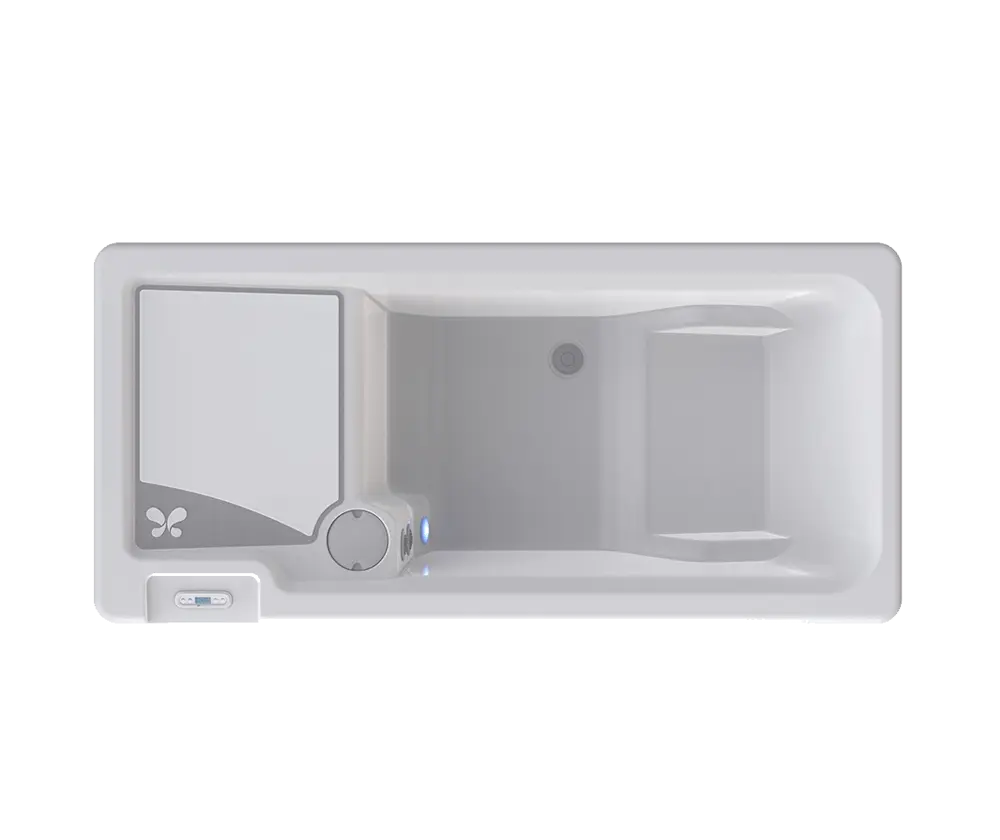
Consider a low‑step entry or a walk‑in door if you have limited mobility. Handrails on both sides add confidence when getting in and out. A cover with good insulation helps maintain temperature and saves energy.
Step 3: Set Temperature & Jet Settings for Therapeutic Effect
Heat the water to a comfortable 100°F–104°F. That range loosens muscles and improves circulation without overloading the heart.
Start the jets on a low or pulsating setting. Aim them at the joints that hurt the most. If you feel the pressure is too strong, dial it back , the goal is a soothing massage, not a deep tissue grind.
Run the pump for a few minutes before you step in. That evens out the temperature and removes any hot spots. Once the water feels even, get in, let the buoyancy lift your weight, and let the jets work.
After about 15‑20 minutes, turn the jets off and let the water sit still for a minute. This lets your body absorb the heat fully before you exit.
Step 4: Create a Safe Hydrotherapy Routine
Plan a schedule that fits your life. Most experts suggest 3‑4 short sessions per week. Each soak should last 15‑20 minutes , enough time to relax muscles but short enough to avoid dehydration.
Combine the soak with gentle stretches. While the water supports you, do ankle circles, leg extensions, and shoulder rolls. The buoyancy makes the moves easy and protects the joints.
Mindfulness helps too. A calm mind reduces the stress that can worsen arthritis pain. A brief breathing exercise while you soak—inhale, hold, exhale—can lower cortisol and improve your mood.
Stay hydrated. Drink a glass of water before you step in and another afterward. If you feel light‑headed, exit the tub and sit quietly for a few minutes.

Listen to your body. If any joint feels hotter than the rest, reduce the temperature or cut the session short. Consistency beats occasional long soaks.
Step 5: Maintain Water Quality & Ongoing Care
Clean water is key for arthritis comfort. Test pH and sanitizer levels twice a week. Aim for a pH between 7.2 and 7.8 and a sanitizer level that matches the manufacturer’s guide.
Caldera®’s UV‑C system handles most of the sanitizing work, but you still need to keep filters clean. Rinse them weekly and replace them as the manual advises. A clear filter lets water flow evenly, so the jets stay strong.
If you prefer salt‑water, it can be gentler on skin. Salt‑water systems generate their own chlorine through electrolysis, which reduces the need for added chemicals. Just monitor the salt cell for calcium buildup.
During hot summer days, you might want to cool the water a bit. Lower the thermostat a few degrees and run the pump overnight. This drops the temperature without shutting the spa down.
Finally, schedule a professional service visit once a year. Luxury Hot Tubs offers a water‑care program that checks the UV‑C lamp, filters, and overall chemistry, keeping the spa ready for daily relief.
FAQ
Can I use a hot tub if I have rheumatoid arthritis?
Yes, you can, but you should get a doctor’s OK first. Warm water can ease joint stiffness, yet strong pressure might aggravate inflamed tissue.
How often should I soak for arthritis pain?
Three to four times a week works for most people. Keep each session to 15‑20 minutes to avoid overheating.
What temperature is safest for an arthritis soak?
The sweet spot is 100°F to 104°F. Below 100°F you lose the therapeutic heat; above 104°F the risk of dizziness rises.
Do I need special jets for arthritis relief?
Low‑pressure, adjustable jets are best. They let you target knees, hips, and shoulders without harsh pressure that could irritate sensitive joints.
Can I add essential oils to the water?
Only if your spa’s water‑care system allows it. Peppermint oil can boost circulation, but check the manufacturer’s guidance to avoid damaging the filtration system.
Conclusion
Luxury Hot Tubs’ Caldera® line gives you the hygiene edge and ergonomic design you need for arthritis relief. Start by getting medical clearance, choose a tub with supportive seats and UV‑C care, set the temperature, build a gentle routine, and keep the water clean. Ready to feel better? Explore the top arthritis‑friendly hot tubs and schedule a home consultation today.