
Muscle soreness can ruin a good training week. A hot tub can melt that tension away and get you ready for the next session. Below you’ll see a short list of hot‑tub styles that actually help with recovery, not just look cool. We’ll walk through how each option works, what to watch for, and where it shines.
1. Hydrotherapy Hot Tubs with Targeted Jet Systems
When you need precise relief, a hydrotherapy‑focused tub wins over a high‑jet count model. Caldera’s Hot Tub Circuit Therapy® system uses just four to six carefully placed jets to hit the low back, hips, and thighs where most athletes feel the most strain. The jets create a deep‑tissue massage that mimics a sports therapist’s hand, while the water stays at a therapeutic 100°F‑104°F range.
Why does fewer, smarter jets beat a flood of 80‑jet units? Hydrotherapy relies on water pressure and temperature to boost circulation and loosen tight fibers. If the jets are mis‑aligned, the pressure spreads thin and you get a bubbly soak rather than a focused massage. The targeted design means each pulse reaches muscle groups without draining the pump’s power, keeping the water temperature steady , a key factor for recovery after a hard workout.
Here’s how to get the most out of a therapy‑centric tub:
- Set the jets to low‑medium pressure; high pressure can irritate sore tissue.
- Adjust the seat angle so your spine is supported and the jets aim at the lumbar region.
- Start with a 10‑minute soak, then add five‑minute increments until you hit 20‑25 minutes.
Maintenance matters too. The low‑jet layout reduces the chance of clogged nozzles, but you should still rinse the filter weekly and check the pump’s pressure gauge monthly. A clean system preserves the consistent flow that makes the therapy effective.
Because the design focuses on quality over quantity, the energy draw stays low. Caldera’s EnergyPro® pump runs on fewer watts, so you save on electricity while keeping the water hot for longer. That hidden efficiency can matter a lot if you soak several times a week.
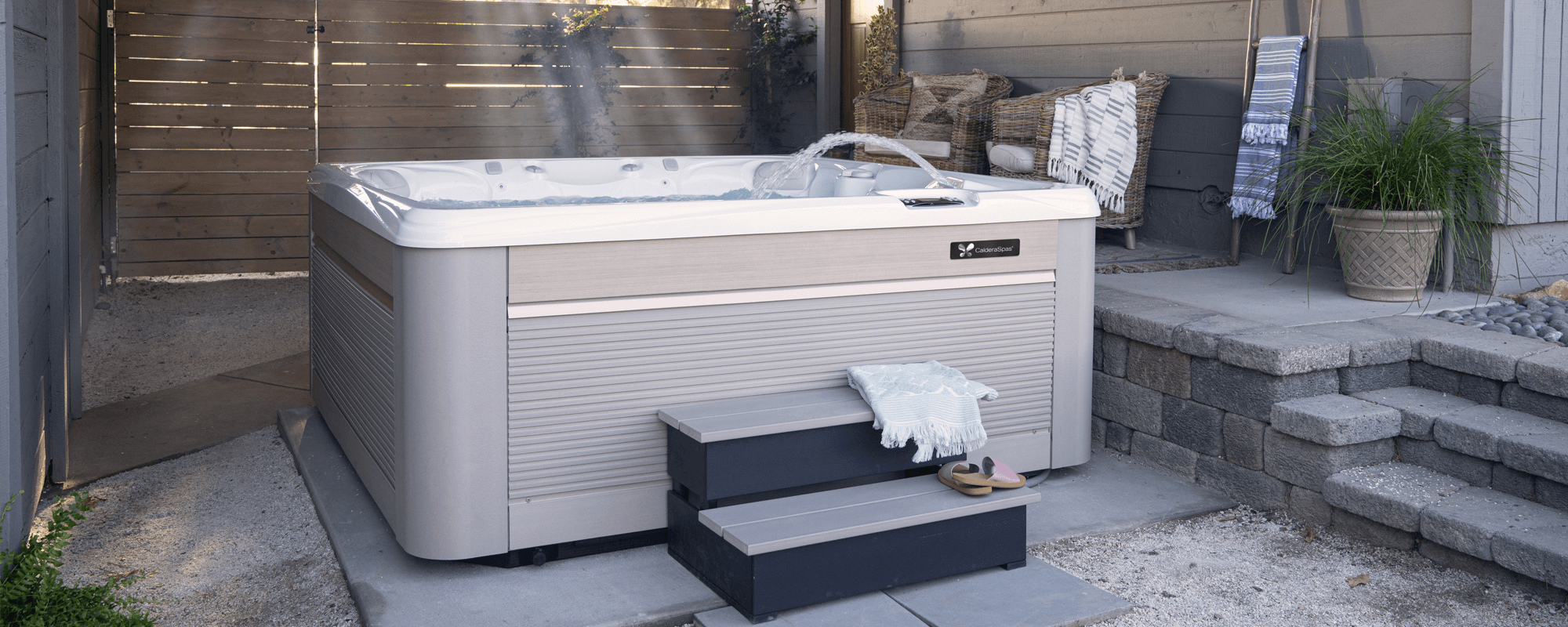
Bottom line: If you want a hot tub that actually treats sore muscles instead of just bubbling, look for a model with a focused jet circuit like Caldera’s Circuit Therapy.
2. Portable Inflatable Hot Tubs for Budget‑Friendly Recovery
Not everyone has room for a permanent acrylic spa. Inflatable tubs give you the soak without a full‑time installation, and they’re easy to move when the season changes. Modern inflatables use reinforced PVC and a built‑in air‑blower to create a bubble of warm water that can reach 100°F‑104°F.
While they lack the deep‑jet massage of a hydrotherapy model, many now include adjustable air‑jets that can be aimed at the calves or lower back. The key is to pick a unit with a sturdy frame and a good insulation cover; otherwise you’ll lose heat quickly and spend more on electricity.
Here’s a usable checklist before you buy:
- Check the pump rating , at least 1,200 GPH ensures water circulates fast enough for a decent massage.
- Look for a built‑in timer so you can set a 15‑minute session and avoid overheating.
- Make sure the tub includes a quick‑drain valve; you’ll need to empty it before winter.
Inflatables shine for renters or people who want to test the recovery benefits before committing to a permanent spa. They’re also perfect for a backyard that doubles as a party space in summer; you can deflate and store the unit when the weather turns cool.
Maintenance is simple: rinse the interior after each use, keep the filter clean, and check the pressure gauge weekly. A small amount of vinegar can clear mineral deposits from the jets, extending the life of the unit.
Because the water volume is lower than a full‑size tub, you’ll heat the water faster, but you’ll also lose heat faster. Using a high‑quality insulated cover can keep the temperature steady for up to eight hours, which is handy if you like to soak after an evening run.
And if you’re curious about how inflatables stack up against acrylic models, Hot Tub Buying Guide: Choose the Perfect Spa breaks down the pros and cons in plain language.
Bottom line: An inflatable tub gives you the core recovery benefits at a fraction of the cost, as long as you manage heat loss and pick a model with decent jet control.
3. Plug‑and‑Play Hot Tubs for Easy Setup
Plug‑and‑play tubs are the sweet spot between a permanent acrylic spa and a portable inflatable. They arrive in a single box, hook up to a standard 110‑120 V outlet, and you’re ready to soak within an hour. Most models feature a compact acrylic shell, a built‑in pump, and a digital control panel.
The biggest win for recovery is the ready‑made jet layout. Brands like Luxury Spas design their 3‑person and 5‑person units with a mix of rotary and directional jets that target the back, shoulders, and feet. The jets are calibrated to deliver enough pressure for a therapeutic massage without the need for a separate pump upgrade.
Because the units run on standard household power, they’re ideal for homes without a dedicated 240 V circuit. Just make sure the circuit can handle the tub’s amperage , most plug‑and‑play models list a maximum of 15 A.
Here’s how to keep the experience hassle‑free:
- Place the tub on a level, non‑slippery surface , a specific pad or reinforced deck works best.
- Use the built‑in water‑level sensor to avoid low‑water pump damage.
- Run the self‑clean cycle weekly; it flushes the plumbing and keeps the jets humming.
These tubs also come with a simple weekly maintenance routine: test the pH, rinse the filter, and keep the cover on when not in use. The routine takes less than ten minutes and prevents the common headaches of larger systems.
One drawback is the smaller water volume , a 3‑person model holds about 300 gallons. That means the heat can drop faster if you run long sessions. To combat this, set the thermostat to the upper end of the therapeutic range and use the insulated cover between sessions.
Overall, plug‑and‑play tubs give you most of the recovery benefits of a full‑size spa with far less installation fuss.
4. Luxury Hot Tubs with Ergonomic Seating and LED Therapy
When you want a spa that feels like a resort, look for ergonomic seating and built‑in LED chromotherapy. The seats are contoured to support the spine, hips, and calves, which means you can stay in a relaxed position longer without pressure points. LED strips under the water create color‑based light therapy that can calm the nervous system and improve mood.
Research shows that specific colors can influence the autonomic nervous system. Blue light tends to lower heart rate, while red or orange can boost energy. Chromotherapy has been used in wellness settings for decades, and modern spas integrate it with water immersion for a combined effect.
Here’s what to look for in a luxury model:
- Seat layout , deep lumbar cushions and foot wells that let you stretch the calves.
- Adjustable jet clusters that can be directed to the shoulders, lower back, or neck.
- Multi‑color LED system with preset programs for relaxation, energizing, or sleep.
Because the tubs are built for year‑round use, they include full‑foam insulation and a titanium heater that resists scale buildup , a common issue in desert climates. The insulation keeps the water at therapeutic temperature even when outside temps hit 115°F.
Maintenance for a luxury unit is straightforward if you follow a regular schedule: clean the filters monthly, check the LED control board for firmware updates, and run the ozone sanitizer to keep the water crystal‑clear.
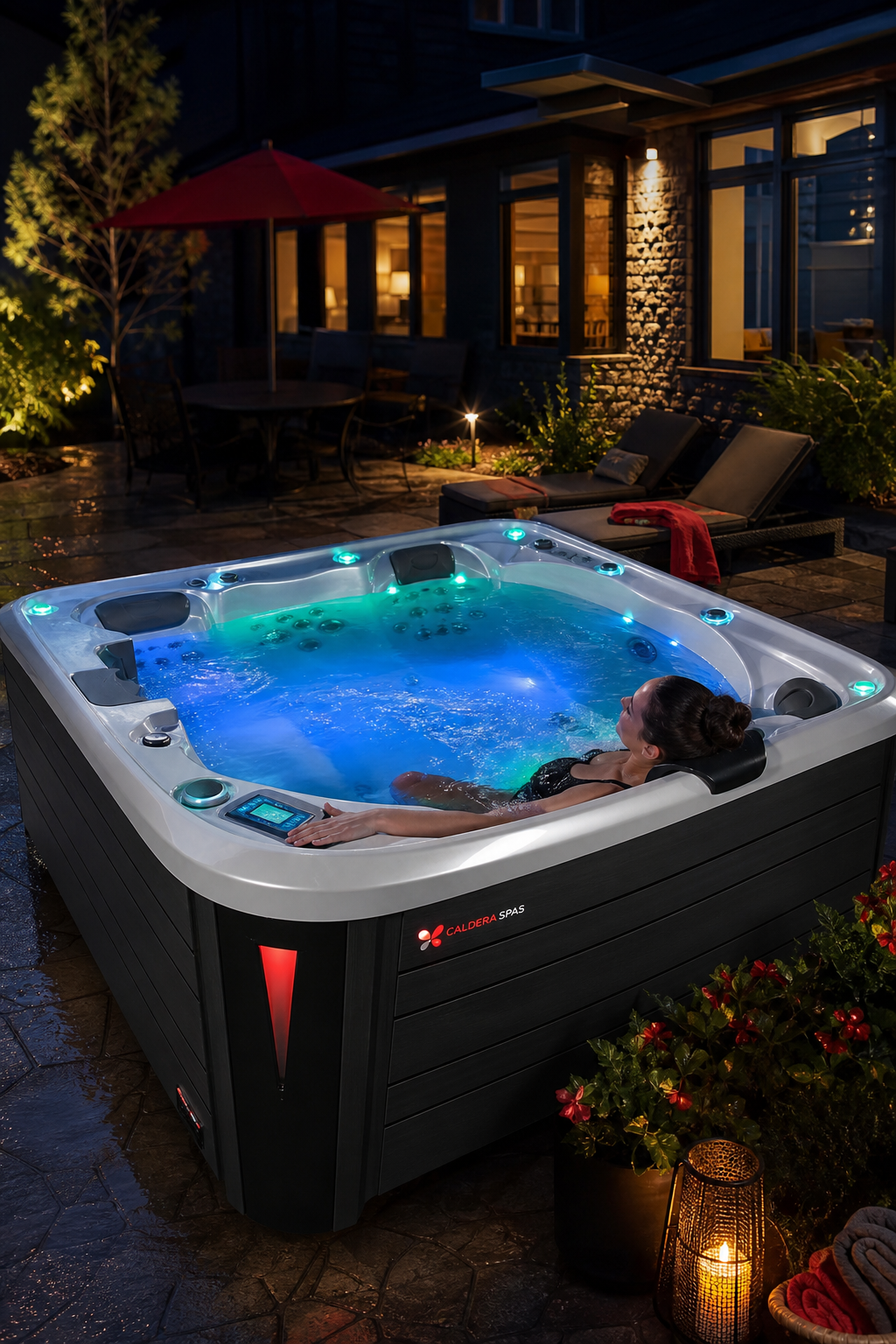
Bottom line: If you value both physical relief and a soothing ambiance, a luxury ergonomic spa with LED therapy offers the most complete recovery experience.
5. Swim‑Spa Hybrids for Combined Exercise and Recovery
Swim‑spas blend a shallow pool for low‑impact cardio with a hot‑water zone for recovery. You can do a 30‑minute swim or paddle workout, then slide into the hot section for a massage‑focused soak. The dual‑zone design lets you warm up muscles before exercise and cool down afterward, which can reduce injury risk.
The water flow in the swim area is usually driven by a propeller or jet system that creates a current of 2‑3 mph. This resistance works like an underwater treadmill, giving you a cardiovascular boost without joint stress. After the swim, the hot‑water zone typically has a set of rotary jets that target the lower back and thighs.
Key benefits for recovery‑focused athletes:
- Improved circulation from both the swim current and hot‑water immersion.
- Reduced muscle stiffness by alternating warm and cool water (if the unit has a chill‑function).
- Space‑saving design , you get both cardio and hydrotherapy in one footprint.
To get the most out of a swim‑spa, follow this routine:
- Warm up with a 5‑minute light paddle at low resistance.
- Increase the current to a moderate level for a 20‑minute cardio segment.
- Shift to the hot‑water zone, set the jets to medium pressure, and soak for 15‑20 minutes.
- Finish with a brief cool‑down in the shallow pool or a quick shower.
Because the unit handles both heating and cooling, energy usage can be higher than a single‑purpose tub. Look for models with an EnergyStar rating or a high‑efficiency pump to keep operating costs down.
Swim‑spas are especially popular with athletes who need both aerobic training and deep tissue relief without building two separate installations.
Bottom line: A swim‑spa hybrid gives you the flexibility to train and recover in the same space, making it a smart choice for busy fitness enthusiasts.
6. Comparison Table: Which Hot Tub Is Right for Your Recovery?
Use the table to match your primary goal , whether it’s targeted muscle relief, cost‑effective convenience, or a full‑body wellness hub.
Frequently Asked Questions
How long should I stay in a hot tub for muscle recovery?
Most experts recommend 10‑20 minutes per session. That window lets the heat raise muscle temperature and improve blood flow without causing dehydration or overheating. Start with a 10‑minute soak, then add five‑minute increments if you feel comfortable. Always listen to your body; exit the tub if you feel light‑headed or overly hot.
Can I use a hot tub right after an intense workout?
It’s best to let your heart rate and core temperature drop a bit first. A short cool‑down walk or gentle stretching for 5‑10 minutes helps prevent a sudden spike in blood pressure when you enter the hot water. After that cool‑down, a 15‑minute soak can aid circulation and reduce muscle stiffness.
What temperature is optimal for recovery?
Set the water between 98°F and 104°F. Below 98°F you lose the therapeutic heat, and above 104°F the risk of heat‑related swelling rises. Keeping the temperature in this range maximizes blood vessel dilation while staying safe for most healthy adults.
Do I need to add chemicals to protect my hot tub during recovery sessions?
Yes, maintain proper sanitizer levels to keep the water clean. A balanced pH (7.2‑7.8) ensures the jets don’t corrode and the skin stays comfortable. Many owners use a low‑maintenance ozone system or UV‑C purification, which reduces chemical usage while keeping the water crystal‑clear.
How often should I clean the jets?
Clean the jets at least once a month with a mild vinegar solution. This removes mineral buildup that can dull the pressure and reduce therapeutic effectiveness. If you notice weaker streams, clean the jets sooner , a quick rinse can restore performance.
Is a hot tub safe for people with high blood pressure?
Warm water does lower blood pressure temporarily, which can be beneficial, but the effect is short‑lived. People with uncontrolled hypertension should consult a doctor before regular use. Keep sessions under 20 minutes and stay hydrated to avoid sudden drops in blood pressure.
Conclusion
Choosing the right hot tub for muscle recovery comes down to how you plan to use it. Targeted hydrotherapy tubs give precise relief, inflatables offer a low‑cost test drive, plug‑and‑play models deliver convenience, luxury ergonomic spas add ambiance, and swim‑spa hybrids combine cardio with soak. Each option has a clear strength, so match the feature set to your routine and space.
Remember to keep sessions short, stay hydrated, and maintain the water chemistry. Consistency beats size , a smaller tub you use three times a week will help you more than a larger one you rarely fill. If you want to dig deeper into picking the perfect spa, : Choose the Perfect Spa for a step‑by‑step checklist.