
Thinking about a hot tub but worried about the price tag? In Coachella Valley the cost can swing a lot, from a $300 inflatable to a fully‑finished luxury spa. Below is a quick shortlist of the main routes you can take, plus a short checklist to help you pick the right one.
1. Luxury Hot Tubs , Premium Installation & Service
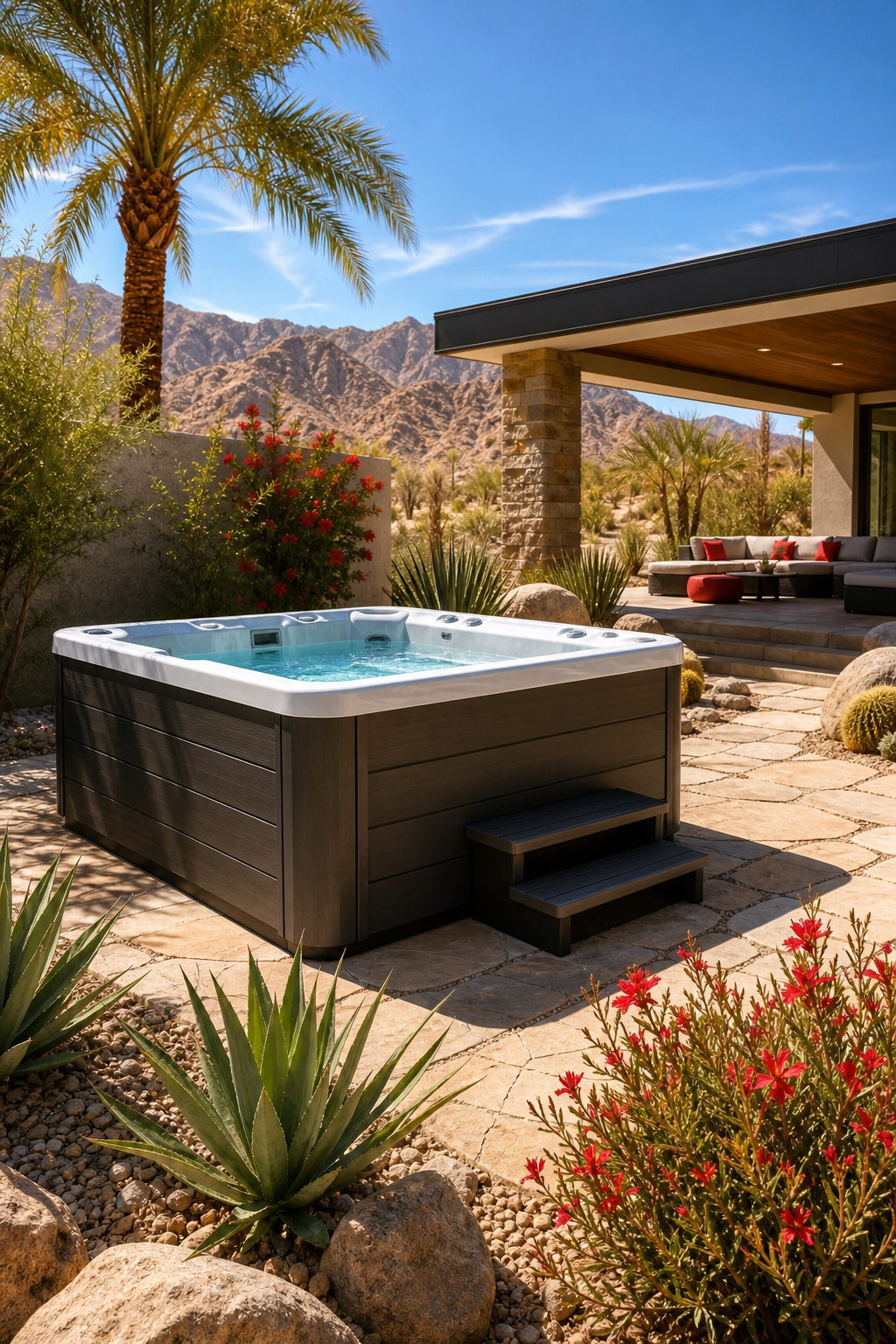
Luxury Hot Tubs is the authorized Caldera® dealer for the valley, so they handle everything from yard‑site planning to final water‑care service. They work across Palm Desert, Indio, La Quinta, Rancho Mirage, and Indian Wells. Their all‑in‑one package includes a site visit, custom pad design, white‑glove delivery, electrical hookup by a licensed partner, and a 5‑year warranty on the shell and heater.
The price starts around $13,000 for a base model and climbs to $22,000 for a fully loaded 8‑person unit with Bluetooth sound, LED waterfalls, and a smart control panel. Because the quote is custom, you get a clear line‑item list that shows where each dollar goes, which is rare in this market.
One caveat: the high‑end models need a reinforced concrete pad and a dedicated 240 V circuit, which can add $1,500‑$2,500 to the total. Still, the bundled service means no surprise fees later.
For more on finding the right installer in Palm Desert, see Best Hot Tub Delivery and Installation Services in Palm Desert.
2. Inflatable Hot Tubs , Lowest Entry Cost
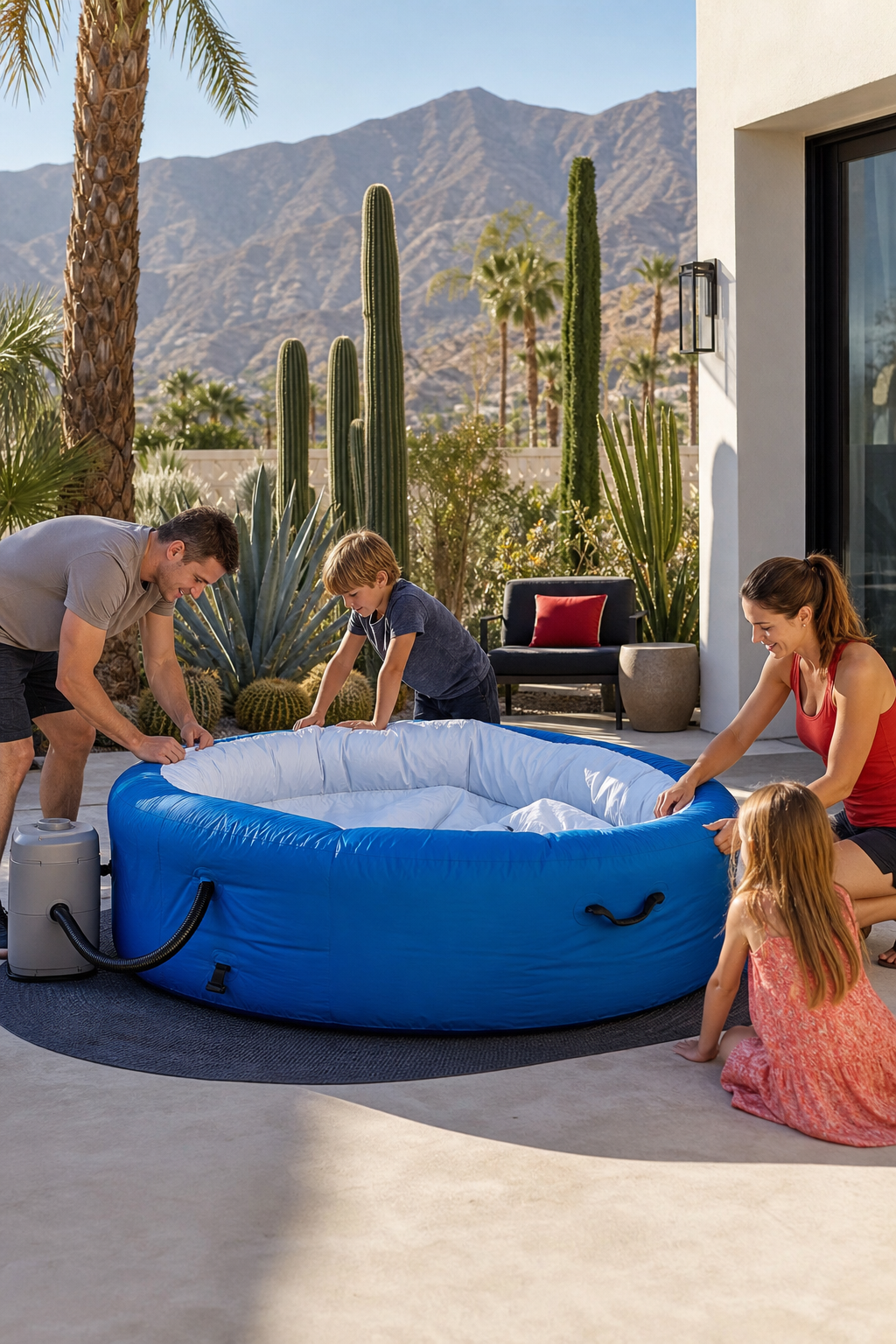
Inflatable tubs are the cheapest way to feel the bubbles. They are made of reinforced vinyl, inflate in a few minutes, and plug into a standard 120 V outlet. New units start at $300 and used ones can be found for $150.
They lose heat faster than acrylic models, so you’ll spend a few extra dollars on electricity in the winter, but the desert’s warm nights keep the water comfortable most of the year. They’re perfect for renters or anyone who wants a test run before committing.
Because they’re portable, you can store them in the garage when not in use. The downside is a shorter lifespan, about 3‑5 years, if the vinyl gets punctured.
Learn the basics of hot tubs on Wikipedia for free.
3. Plug-and-Play Spas , Convenience at Mid‑Range
Plug‑and‑play spas sit between inflatables and permanent acrylic tubs. They come in a steel or acrylic shell, have built‑in pumps, and arrive on a pallet that you can lift with a dolly. Installation usually means placing them on a pre‑made spa pad, plugging into a 240 V outlet, and filling with water.
Prices range from $3,500 for a basic 4‑person model to $12,000 for a larger unit with multiple jet zones. The benefit is a solid shell that holds heat better than inflatables, so electricity bills stay modest even in the valley’s heat.
Because the electrical work is the biggest variable, many buyers add $800‑$1,200 for a licensed electrician. The pads can be a simple 4‑inch concrete slab or a prefabricated polymer pad.
Below is a short video that shows a typical plug‑and‑play setup.
Keep in mind that while the unit is ready to go, you’ll still need a cover and a basic filtration system, which adds $200‑$400.
4. Custom Concrete Pad Installation , Long‑Term Investment
A solid concrete pad is the backbone of any permanent hot tub. In Coachella Valley the soil is sandy and the sun can cause rapid surface drying, so a mix designed for desert conditions is a must.
Coachella Concrete recommends a 4‑inch reinforced slab with a sand‑ready base and a vapor barrier. The typical cost runs $600‑$2,000 depending on size and site prep. Their crew also handles the permit process, which in Desert Springs is a modest $100 fee.
p>The extra up‑front cost pays off in durability; a well‑cured slab resists cracking for decades, even under the 3,000‑6,000‑lb weight of a filled spa.
One thing to watch: if your lot slopes, you’ll need retaining walls or grading work, which can add $500‑$1,000.
5. Prefab Spa Pads , Fast Setup, Lower Cost
Prefab pads are pre‑molded polymer blocks that sit on compacted gravel. They arrive ready to use and can be placed in a few hours without a cement mixer.
Cost runs $200‑$600 per pad, and you typically need two or three pads for a 6‑person spa. They’re lightweight, so you don’t need a crane to move them, and they work well on uneven ground.
The trade‑off is less thermal mass than concrete, so you’ll see a few extra degrees of heat loss at night. Pairing a pad with a high‑R cover helps offset that.
Prefabricated pads are a good middle ground if you want a permanent feel without the full concrete price tag.
6. Saltwater vs. Chlorine , Maintenance Costs in the Desert
Salt‑water systems generate chlorine through a salt cell, which means you add salt instead of liquid chemicals. The water feels softer and the smell is milder, a plus in a dry climate.
Initial cost for a salt system is $300‑$700 extra on top of the spa price. Ongoing costs are lower because you replace the salt every 3‑4 months and clean the cell a few times a year.
In the desert, the high evaporation rate can concentrate minerals, so you’ll need to monitor pH and alkalinity more often. The U.S. Department of Energy notes that solar‑compatible water‑heating can shave 10‑15 % off electricity use, which pairs nicely with a salt system that runs less frequently. U.S. Department of Energy solar water heating guide
If you prefer the traditional route, chlorine tablets are cheap but require weekly testing and can leave a stronger odor.
7. High‑Efficiency Models , Energy Rebates and Solar Compatibility
Modern spas come with variable‑speed pumps, better insulation, and smart thermostats. These features can cut electricity use by up to 30 % compared to older models.
Many manufacturers qualify for local utility rebates in Riverside County, which can be $200‑$500 off the purchase price. Look for an R‑value of 14 or higher on the cabinet walls and a heat‑pump heater, which runs cooler but uses less power.
Solar panels can be wired directly to the spa’s control box if the model supports 120 V input. The upfront solar cost is high, but the long‑term savings in a sunny valley often justify the investment.
Just be sure the warranty covers the pump and heater when you add external power sources.
8. DIY vs. Professional Installation , Hidden Costs Revealed
Doing it yourself sounds cheap, but you may miss hidden costs. A DIY install often skips the permit fee (around $100) and may overlook the need for a dedicated GFCI‑protected circuit, which electricians charge $600‑$1,200 for.
Professional installers bundle the permit, electrical work, and site prep into one quote, reducing the risk of surprise invoices. Luxury Hot Tubs reports that most of their customers save $500‑$1,000 by avoiding re‑work after a DIY misstep.
If you’re handy and your local building department allows a simple pad, you could shave $1,000‑$1,500 off the total. Just double‑check the code: the Coachella Valley building division requires a written inspection for any new spa circuit.
Bottom line: weigh your skill level against the potential cost of fixing a botched install.
How to Choose , Quick Checklist
- Budget: Inflatable <$500, Prefab pad $600‑$1,200, Luxury $13k‑$22k.
- Location: Check HOA rules and permit fees (usually $100).
- Power: Do you need a new 240 V line? Add $800‑$1,200.
- Maintenance: Salt‑water vs. chlorine, consider water chemistry.
- Future proof: Look for high‑R insulation and solar‑ready models.
FAQ
What is the average total cost to install a hot tub in Coachella Valley?
The total cost usually falls between $4,000 for a basic inflatable with a simple pad and $25,000 for a fully‑spec’d luxury Caldera model with a custom concrete foundation and professional installation.
Do I need a permit for a hot tub in the valley?
Yes, most cities require a building permit that costs about $100, and the permit must be signed off after the electrical work is inspected.
Can I put a hot tub on a wooden deck?
You can, but the deck must be engineered to support 100 lb per square foot once the tub is filled; a structural engineer’s sign‑off is recommended.
How much does electricity cost to run a spa each month?
Running a mid‑size, well‑insulated spa at 100 °F typically uses about 5 kWh per day, which translates to roughly $15‑$20 a month at the local $0.12/kWh rate.
Is a salt‑water system worth the extra upfront cost?
For most desert owners, the softer water and lower chemical spend make the $300‑$700 salt‑cell upgrade worthwhile, especially when paired with regular water testing.
Conclusion
If you want a worry‑free setup that holds up to the desert heat, start with Luxury Hot Tubs’ premium package. Contact them for a personalized quote and take the first step toward a backyard oasis.