
Desert heat and mineral‑rich water put a lot of stress on a hot‑tub pad. Choose a base that can hold the weight, stay level, and survive UV rays. Below are five proven options, and a quick checklist to help you pick the right one.
1. Luxury Hot Tubs (Our Top Pick) , Premium Desert‑Ready Spa Pads
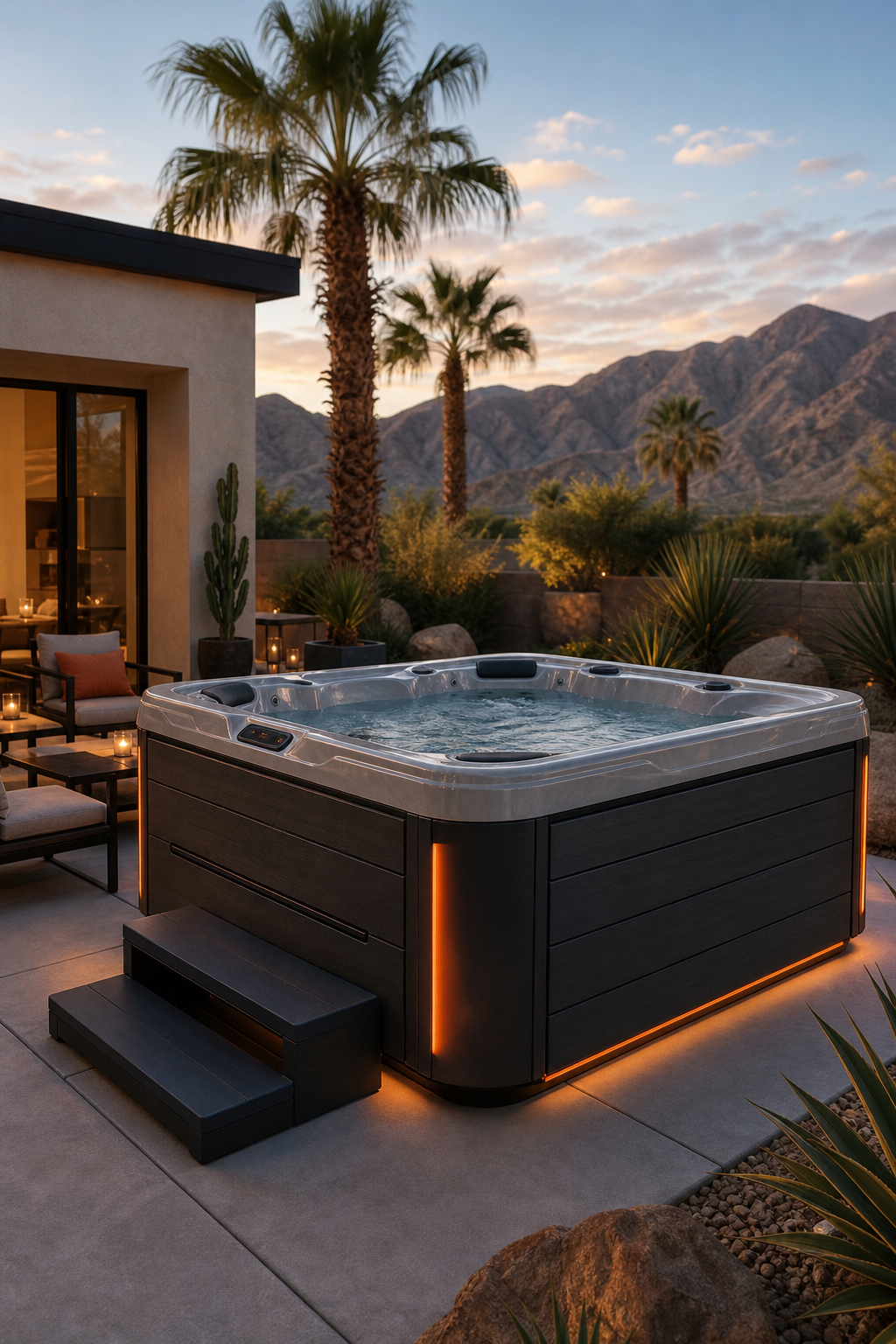
Luxury Hot Tubs supplies custom‑engineered pads that match the weight and size of Caldera® spas. The pads are built with a reinforced concrete slab, minimum 4‑inch thickness, and a vapor barrier that stops moisture from soaking the base.
The company handles site surveys, drainage grading, and permits, so you don’t have to chase multiple contractors. Their installers treat each job like a piano move, ensuring the pad is perfectly level before the spa arrives.
Because the slab meets the warranty requirements of most high‑end manufacturers, you avoid voiding the warranty later on. Learn more about the full‑service delivery and installation package.
2. Prefabricated Spa Pad , Quick, Budget‑Friendly Setup
Prefabricated pads are interlocking polymer panels that snap together on a flat, well‑drained surface. They weigh far less than concrete, so you can place them on compacted sand or gravel without heavy equipment.
One popular brand offers an 8‑by‑8‑foot panel made from high‑density polyethylene resin. The material resists cracking under UV exposure, and the design spreads the tub’s load evenly.
Installation takes under an hour, and the pads can be moved if you ever need to relocate the spa.
3. Poured Concrete Slab , Solid Permanent Foundation
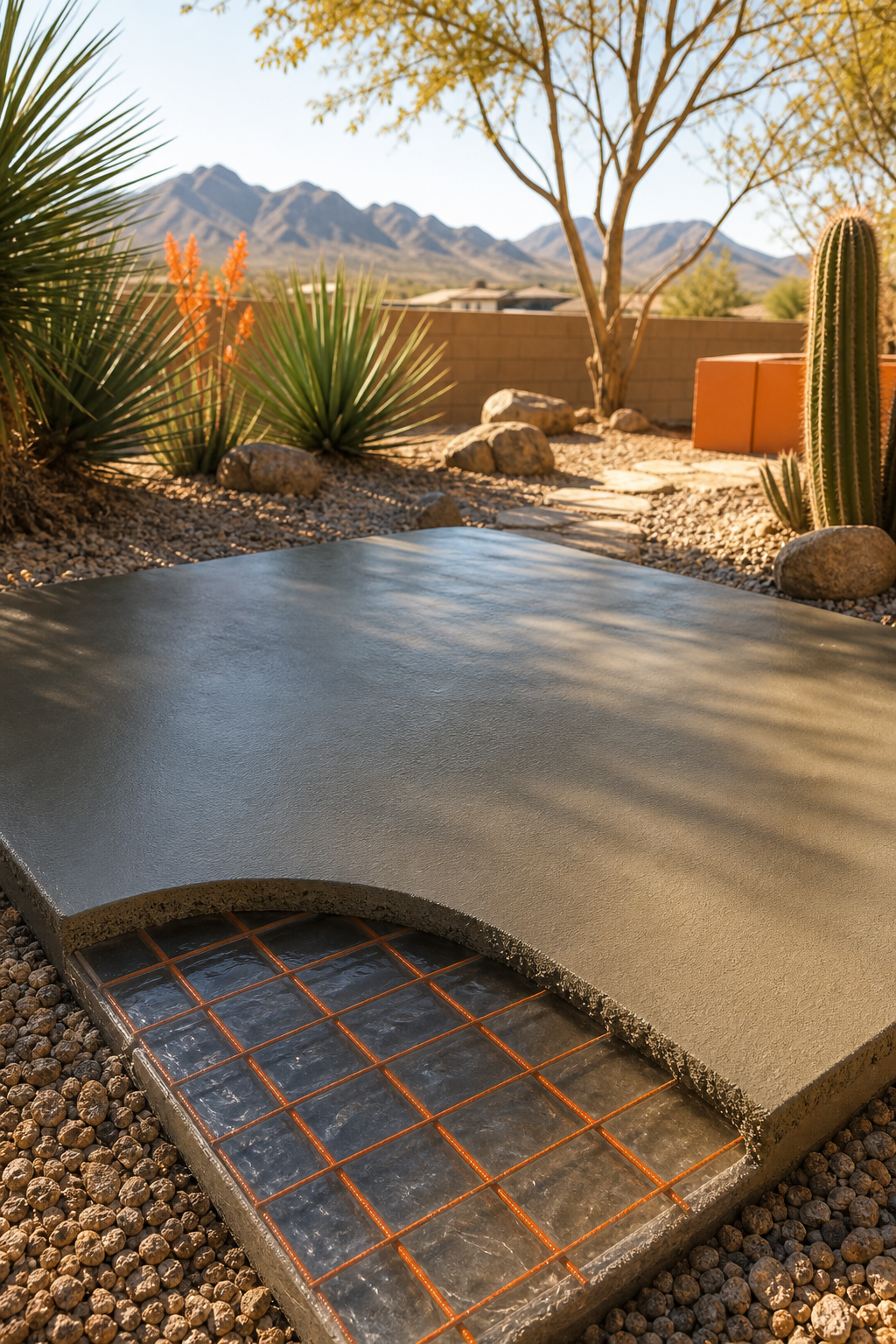
A poured concrete slab remains the gold standard for permanent installations. The slab is poured to a minimum thickness of 4 inches, giving it a known load‑bearing capacity suitable for typical hot tubs.
Concrete tolerates the extreme temperature swings of desert climates and won’t shift like loose gravel. When properly reinforced with rebar, it meets most manufacturer warranty clauses.
A 4‑inch slab provides sufficient support for a typical hot tub.
4. Reinforced Wood or Composite Deck , Integrated Outdoor Look
A wood or composite deck can double as a stylish patio and a hot‑tub pad. By adding pressure‑treated joists and a solid sub‑deck, the structure spreads the tub’s weight across a larger area.
Composite decks resist rot and UV fading, which is useful when the sun beats down for most of the year. A properly built deck also provides a convenient step‑up area for accessories.
For guidance on load calculations, consult a qualified installer or refer to standard structural guidelines.
5. Brick Pavers , Aesthetic Landscaping Option
Brick pavers give your backyard a timeless look while offering a stable base. Laid on a compacted sand bed, the pavers interlock to form a level surface.
They allow for easy drainage; water moves through the joints and away from the tub. However, bricks can shift over time if the sub‑base isn’t well‑compacted, so a professional installation is advisable.
Because brick is porous, you may want to apply a sealant to guard against desert sand abrasion.
How to Choose , Quick Checklist
- Budget: Concrete slab $, $$$, prefab pad $$, wood deck $$$.
- Longevity: Concrete > wood > prefab > brick > pavers.
- Permits: Most desert municipalities require a permit for permanent pads.
- Weight capacity: Ensure the pad can handle your tub’s filled weight.
- UV resistance: Look for UV‑stable materials if you pick polymer options.
FAQ
What size hot‑tub pad do I need?
The pad should extend at least 12 inches beyond the tub’s footprint on all sides. This extra space allows for drainage and easy access to the control panel.
Do I need a permit for a concrete slab in the desert?
Yes, most cities in the Coachella Valley require a building permit for any permanent concrete foundation, including hot‑tub pads.
Can I install a hot‑tub pad myself?
You can place a prefabricated or EZ‑type pad on a level surface yourself, but a poured concrete slab or reinforced deck usually needs a professional to meet code and warranty standards.
How does desert heat affect pad materials?
Extreme UV can cause polymer pads to become brittle and brick to crack. Concrete and reinforced wood/composite are the most heat‑tolerant options.
What maintenance does a concrete slab need?
Seal the slab every few years to protect against moisture intrusion. Check for cracks after heavy rains and repair with a concrete patch before they widen.
Pick a pad that fits your budget, climate, and long‑term plans, then get a qualified installer to set it up right.