
Thinking about adding an outdoor cedar sauna to your backyard? I get it. There’s a lot to figure out. Cedar type, shape, heater, installation. You want a sauna that lasts and feels great. I’m going to walk you through every big decision. By the end, you’ll know exactly what to look for. You’ll feel ready to pick the right sauna for your space and budget.
Let’s start with the wood itself. Then we’ll compare styles, talk about installation, and dive into heating options. We’ll even cover modern smart features and how to keep your sauna in top shape. This is your one-stop resource.
Why Cedar? The Premier Wood for Outdoor Saunas
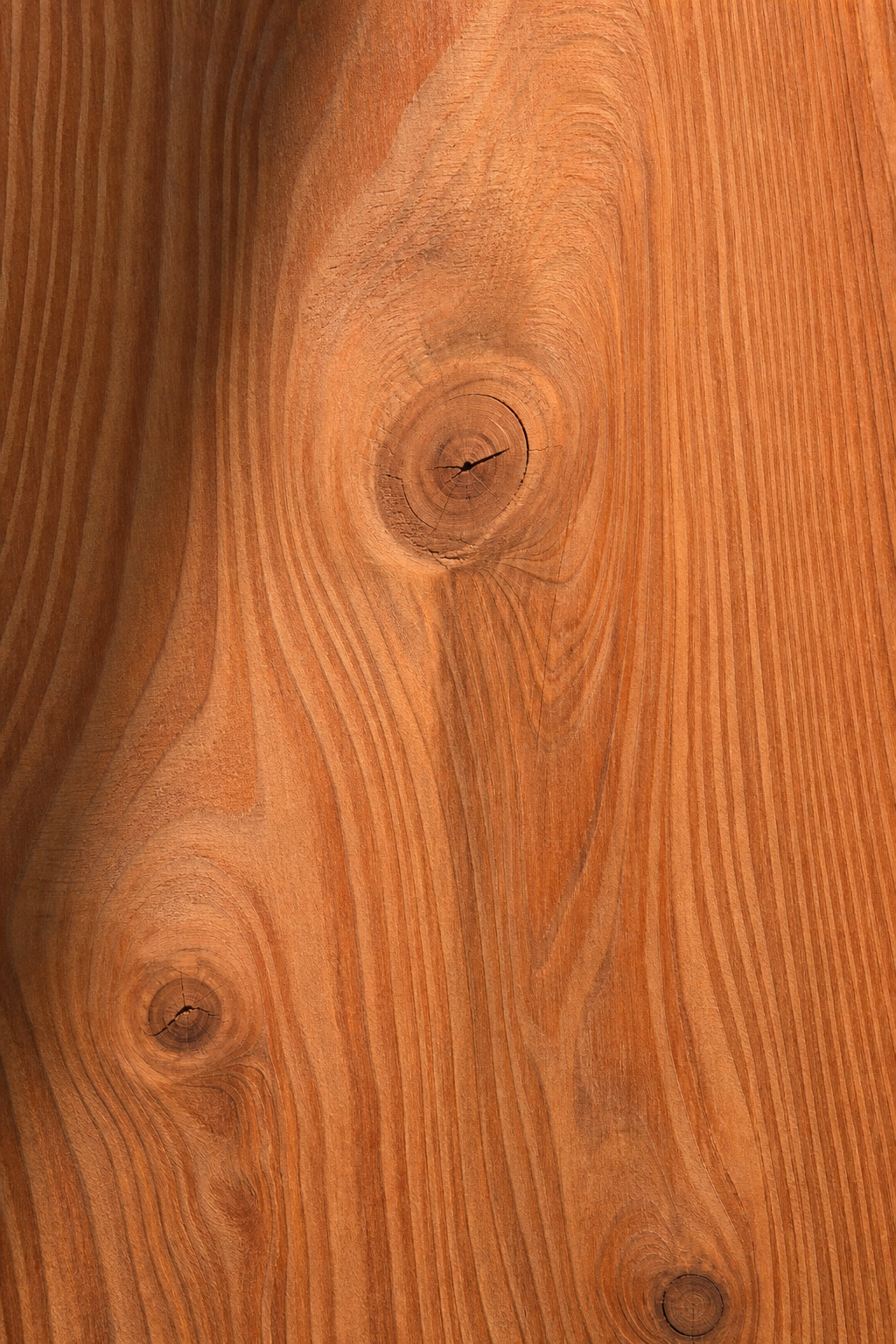
Cedar is the top choice for outdoor cedar saunas. And for good reason. It handles moisture like a champ. It resists rot and insects naturally. Plus, it smells amazing. That warm, woody scent makes every session better.
on cedar popularity, cedar’s natural oils protect it from decay. That means your sauna lasts longer without chemical treatments. You don’t need to stain or seal the interior. Just let the cedar breathe.
There are different types of cedar. Western Red Cedar is the most common for outdoor saunas. It’s lightweight, stable, and has a straight grain. Northern White Cedar is another option. It’s lighter in color and less aromatic but still durable. Both work well.
When buying an outdoor cedar sauna, check the grade. Clear cedar has few knots. It looks clean and modern. Knotty cedar has more character. Both are fine, but knots can fall out over time with heat and moisture cycles. For the interior, go with clear cedar for benches. You don’t want to sit on hot knots.
Thermally modified cedar is a newer option. It’s heated to high temperatures to remove moisture and resins. This makes it even more stable and resistant to weather. It lasts longer but costs more. If you’re in a harsh climate, it might be worth it.
One more thing: cedar expands and contracts. That’s normal. The key is good construction. Tongue-and-groove joints handle movement well. Barrel saunas rely on bands to keep staves tight. You’ll need to retighten them now and then.
Bottom line: For a long-lasting, great-smelling sauna that stands up to the elements, cedar is your best bet.
Barrel vs Cabin: Which Outdoor Sauna Style Fits You?
You’ll see two main shapes: barrel and cabin. Each has pros and cons. Let me break them down.
Barrel saunas look like a large wooden barrel on its side. They’re made from staves held together by metal bands. No nails, no screws on the sides. That makes them easy to assemble and move. But they have a few quirks.
First, water leaks. Barrel saunas are not waterproof. Rain can seep between staves. Most owners add a roof or cover. Factor that into your budget. Second, the curved walls limit headroom. If you’re over 6 feet tall, you’ll duck in the doorway and may hit your head on the ceiling. Third, bench space is narrow. You might not be able to lie down fully in a 4-person barrel.
Cabin saunas are more like a traditional house shape. They have straight walls, higher ceilings, and multiple bench levels. You can sit up high for more heat or lie down comfortably. They’re also easier to insulate and seal. The tradeoff? They’re heavier, harder to move, and often more expensive.
Let’s look at a quick comparison:
According to Fortune’s best outdoor saunas roundup, infrared models now make up 67% of top picks. They can reach 140°F, hotter than many steam saunas. That’s worth noting when comparing options.
Still not sure? Think about how you’ll use it. If you want solo relaxation with a rustic look, barrel is fine. If you want to host friends and have room to stretch, cabin wins.
Bottom line: Choose a barrel if you love the look and have a tight space; choose a cabin if you want maximum comfort, headroom, and flexibility.
Installation Essentials: Foundation, Drainage, and Roofing
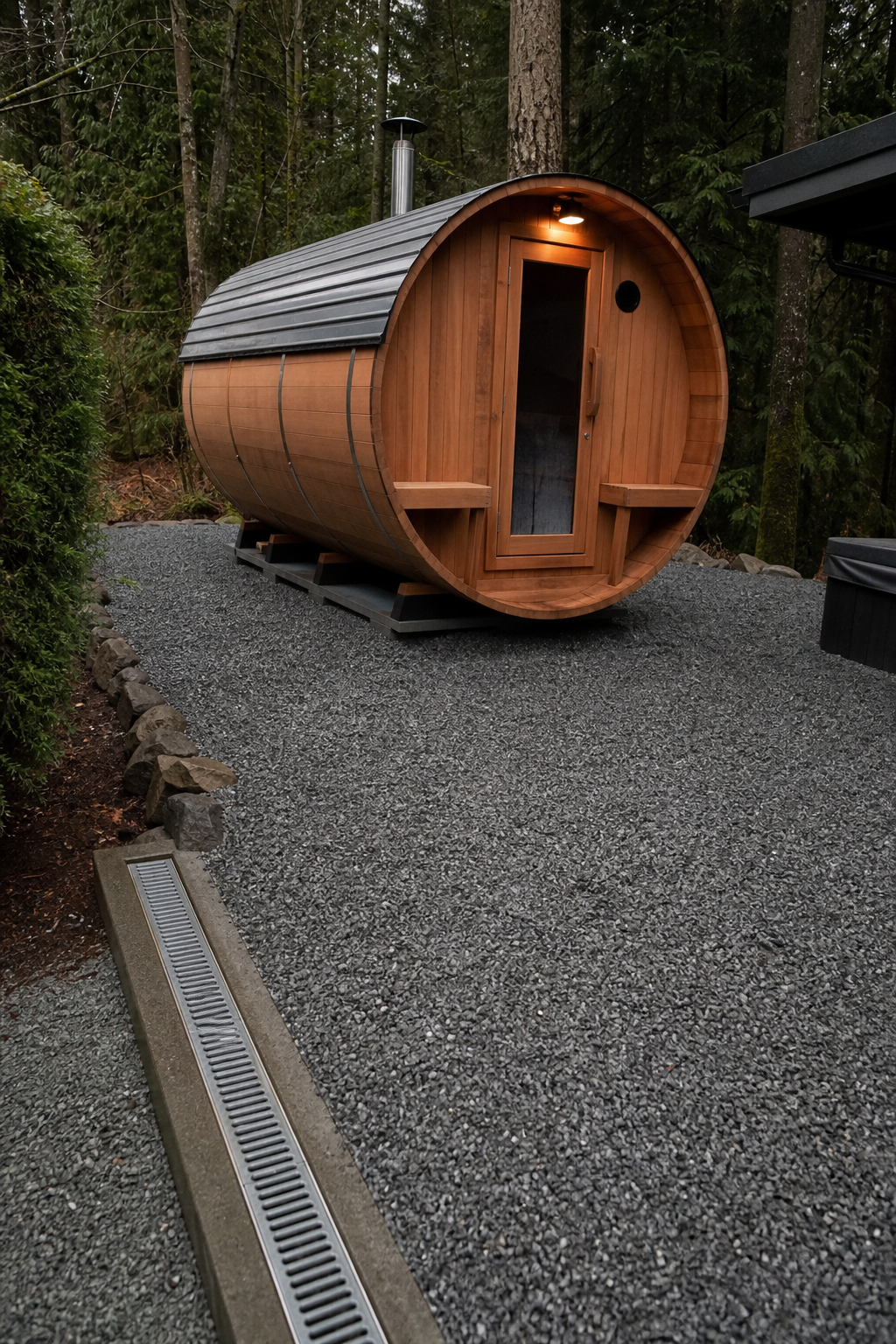
Getting the base right is critical. A level, well-drained foundation prevents warping and water damage. Your outdoor cedar sauna will last much longer.
Start with the foundation. Most saunas need a flat, solid surface. Concrete slab is best. It’s permanent and level. But gravel or paver bases work too, especially if you might move the sauna later. Make sure the base is at least a few inches larger than the sauna on all sides.
Drainage matters even more. Water will get under the sauna. If it pools, the bottom wood rots. Slope the ground away from the sauna. Use crushed stone under a gravel base to let water flow through. Some cabins come with built-in floor drains. If not, consider adding a French drain around the perimeter.
Now, roofing. I cannot stress this enough: if you buy a barrel sauna, plan for a roof or cover from day one. As one YouTube reviewer put it, “Companies say rain isn’t an issue, but then they sell a roof separately.” Don’t wait. A metal or shingle roof over the barrel keeps rain out and helps retain heat. For cabins, the roof is usually built in, but check for flashing and overhangs to keep water off the walls.
“The best time to put a roof on your barrel sauna is before it rains.” , Experienced sauna owner
Electrical planning is another big piece for electric heaters. You’ll likely need a 240V line run to the sauna. This means a trench from your breaker box. Check local codes. Some areas require GFCI breakers. If you’re not comfortable with electrical work, hire a licensed electrician. The cost of mistakes is high.
Finally, check for door alignment. After installation, make sure the door swings freely and seals tightly. Adjust hinges or plane the door if needed. A good seal keeps heat in and bugs out.
Bottom line: A level foundation, proper drainage, and a solid roof are non-negotiable for a long-lasting outdoor cedar sauna.
Heating Options: Wood-Fired versus Electric
Your heat source defines the sauna experience. Wood-fired stoves give that authentic, crackling atmosphere. Electric heaters offer convenience. Which is better?
Wood-fired heaters create a traditional Finnish sauna vibe. You get the smell of burning wood, the sound of fire, and the ability to adjust heat by adding logs. They don’t need electricity. That makes them great for remote locations. But they take longer to heat up. You need to feed the fire every 30-40 minutes. And you have to clean the stove and chimney regularly.
Electric heaters are more popular today. They’re clean, easy to operate, and heat up faster. You set the temperature and timer. Many models allow you to pour water over rocks for steam, so you don’t lose that experience. The downside? You need a dedicated electrical circuit. Operating costs can add up, especially in colder climates.
What about temperature? Infrared heaters are a type of electric. Fortune’s testing found infrared models hitting 140°F, while a steam model peaked at 130°F. So infrared can get hotter. But it’s a dry heat. Some people prefer the moist heat of steam.
The health benefits are similar either way. Regular sauna use can improve circulation, reduce stress, and aid muscle recovery. According to the Harvard Health blog on sauna benefits, consistent sessions may even lower blood pressure.
Think about your lifestyle. Do you want to tend a fire? Choose wood. Do you value set-and-forget convenience? Go electric.
Bottom line: Wood-fired stoves offer an authentic experience but require work; electric heaters are convenient, clean, and can get just as hot with infrared models.
Modern Smart Features: Wi-Fi, Lighting, and Sound
Today’s outdoor cedar saunas can be smart. Wi-Fi controls let you start heating from your phone. Walk out to a ready-to-go sauna. Some models have digital displays inside and out.
LED lighting adds ambiance. Under-bench lights, color-changing strips, and ceiling lights set the mood. You can dim them for relaxation or brighten for reading.
Audio systems are popular too. Built-in Bluetooth speakers connect to your phone. Play music or podcasts while you sweat. Some high-end saunas even have TVs or sound systems integrated into the walls.
But do you need all this? It’s nice to have, but it adds cost. A basic sauna without extras can be just as relaxing. Think about what matters to you. If you love tech, those features can enhance the experience.
One more thing: power draw. Smart features need electricity. If you’re off-grid or want to minimize wiring, stick with a basic setup. You can always add a portable speaker and a battery-powered light later.
Bottom line: Smart features add convenience and luxury, but for many people, a simple, well-built sauna is all they need.
Maintenance and Troubleshooting: Keep Your Sauna in Top Shape
Your outdoor cedar sauna will need some TLC. The good news: it’s not hard. Regular checks keep it running for decades.
First, check the bands on barrel saunas. Wood expands and contracts. The bands can loosen. Tighten them every few months, especially the first year. Don’t overtighten; just snug. If the bands are too tight, they can warp the door frame.
Speaking of doors, they can stick or sag. Backcountry Recreation’s maintenance guide recommends checking the door alignment twice a year. If it doesn’t close well, adjust the hinges or sand the edge. Add weatherstripping to seal gaps.
Rain is the enemy. If you have a barrel sauna without a roof, water will seep in. That can lead to mildew on interior wood. Open the door after each use to let it dry out. Wipe down benches with a mild cleaner occasionally.
What if you see mold? Mix a solution of 1 part white vinegar to 3 parts water. Scrub gently, then rinse. Never use bleach , it damages cedar.
Electric heaters need little maintenance. Just vacuum any dust from vents. Check connections annually. For wood stoves, clean the chimney at least once a year. Creosote buildup is a fire hazard.
Finally, check for gaps. Over time, wood can shrink, creating cracks. Small gaps are normal. You can fill larger ones with cedar plugs or caulk designed for saunas. But don’t overdo it , wood needs to breathe.
Bottom line: Regular band tightening, door adjustments, and keeping water out are the top maintenance tasks for a long-lasting sauna.
Frequently Asked Questions
How long does an outdoor cedar sauna last?
With proper care, an outdoor cedar sauna can last 15 to 25 years. The key is keeping it dry. Use a roof or cover, and make sure the foundation drains well. Re-tighten bands on barrel models. Apply exterior finish every few years. Inside, just let it air out after each use.
Can I install a sauna on grass?
No. You need a solid, level base. Concrete slab, gravel pad, or paving stones all work. Grass will rot the bottom wood. Plus, uneven ground can cause the door to warp. Spend the time to prepare a proper foundation. It’s worth it.
Do I need a permit for an outdoor sauna?
Most cities require a permit for structures over a certain size, especially if you run electrical. Check with your local building department. Even if not required, a permit protects you if you sell the house. And an electrician will likely pull a permit for the wiring anyway.
What is the best heater size for a 4-person outdoor cedar sauna?
For a 4-person sauna, look for a heater rated for about 8-10 kW for electric. That’s enough to reach 180°F in about an hour. For wood-fired, choose a stove sized for the cubic feet of the room. Most online sellers list the recommended room size.
How often should I use a sauna for health benefits?
Most studies show benefits from 3-4 sessions per week. Each session around 15-20 minutes at 175-190°F. But even once a week can help with relaxation. Listen to your body. Start slow and increase gradually.
Can I put a sauna on a deck?
Yes, but the deck must support the weight. A small barrel sauna might weigh 800-1000 pounds empty, plus occupants. A cabin sauna can be over 2000 pounds. Check with a structural engineer if unsure. You’ll also want to protect the deck from moisture with a waterproof membrane underneath.
What temperature should I set my electric sauna?
Most people prefer 170-190°F. Start lower if you’re new. You can always turn it up. Infrared saunas often feel cooler because the heat penetrates more. Many users enjoy 130-150°F in infrared models. Experiment to find your sweet spot.
How do I clean the inside of my cedar sauna?
After each session, open the door and let it dry. Wipe down benches with a damp cloth weekly. For deeper cleaning, use a solution of warm water and mild soap (like Castile). Rinse well. Avoid harsh chemicals. You can sand light stains with fine-grit sandpaper.
Conclusion
An outdoor cedar sauna is a fantastic investment in your home and health. We’ve covered everything you need to know: why cedar is the top wood, how to choose between barrel and cabin, installation must-haves, heating options, modern smart features, and simple maintenance.
Now it’s time to make a decision. Think about your space. Think about how you’ll use it. And don’t forget the little things: a roof, proper drainage, and regular tightening.
Ready to get started? At Luxury Hot Tubs, we help Coachella Valley homeowners find the perfect sauna for their desert lifestyle. We handle everything from on-site consultation to delivery and installation. Check out our guide to the best outdoor saunas of 2026 to see top picks and start planning your backyard retreat. Or give us a call at (760) 874-3023. Let’s build your relaxation zone.