
Thinking about a salt‑water hot tub? Let’s cut the fluff and see which system actually fits your backyard and lifestyle. Below are ten options, each with a quick pros‑and‑cons snapshot so you can pick what works best.
1. Luxury Hot Tubs , Premium Caldera Salt‑Water Spa
Luxury Hot Tubs sells Caldera® spas that are built for the desert’s scorching 115 °F summers and mineral‑heavy water. The Caldera line uses a reinforced acrylic shell and stainless‑steel components that resist corrosion, a common worry with salt systems. Salt water hot tub guide explains how the factory‑installed chlorine generator balances sanitizer automatically, so you spend less time adding chemicals.
Who it’s best for: homeowners in Palm Desert, Indio, or Rancho Mirage who want a high‑end spa that can handle hard water without extra upgrades.
Why it earns the spot: the system’s warranty covers the salt cell for a year, and the dealer‑level service program keeps the tub clean year‑round. A downside is the higher upfront cost compared to a comparable non‑salt model.
2. Ozone (Ozonator) , Easy Water Care
Ozone generators inject O₃ into the water, breaking down organics and killing bacteria before they reach the filter. The process reduces chlorine demand and keeps the water crystal clear. Ozone works best as a supplement, not a full replacement, helping keep water fresh despite heavy use.
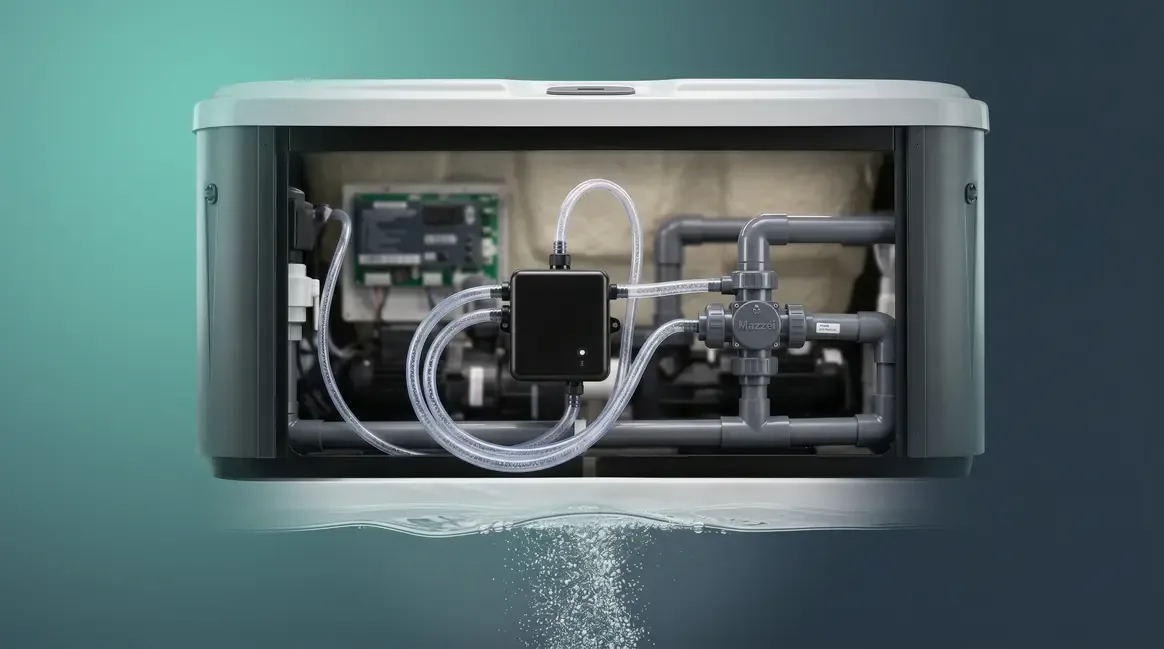
Who it’s best for: owners who struggle with strong chlorine smells and want a lighter chemical routine.
Pros: noticeable drop in chemical usage, softer‑feeling water, and fewer chloramines that cause eye irritation. Cons: the ozone unit needs a new bulb every 2‑5 years, and you still need a small amount of residual sanitizer to keep bacteria in check between cycles.
3. Chlorine (Floating Dispenser) , Light Maintenance
The floating dispenser holds 1‑inch chlorine tablets and releases them at a steady rate. It’s a simple, plug‑and‑play solution that works with any standard hot tub.
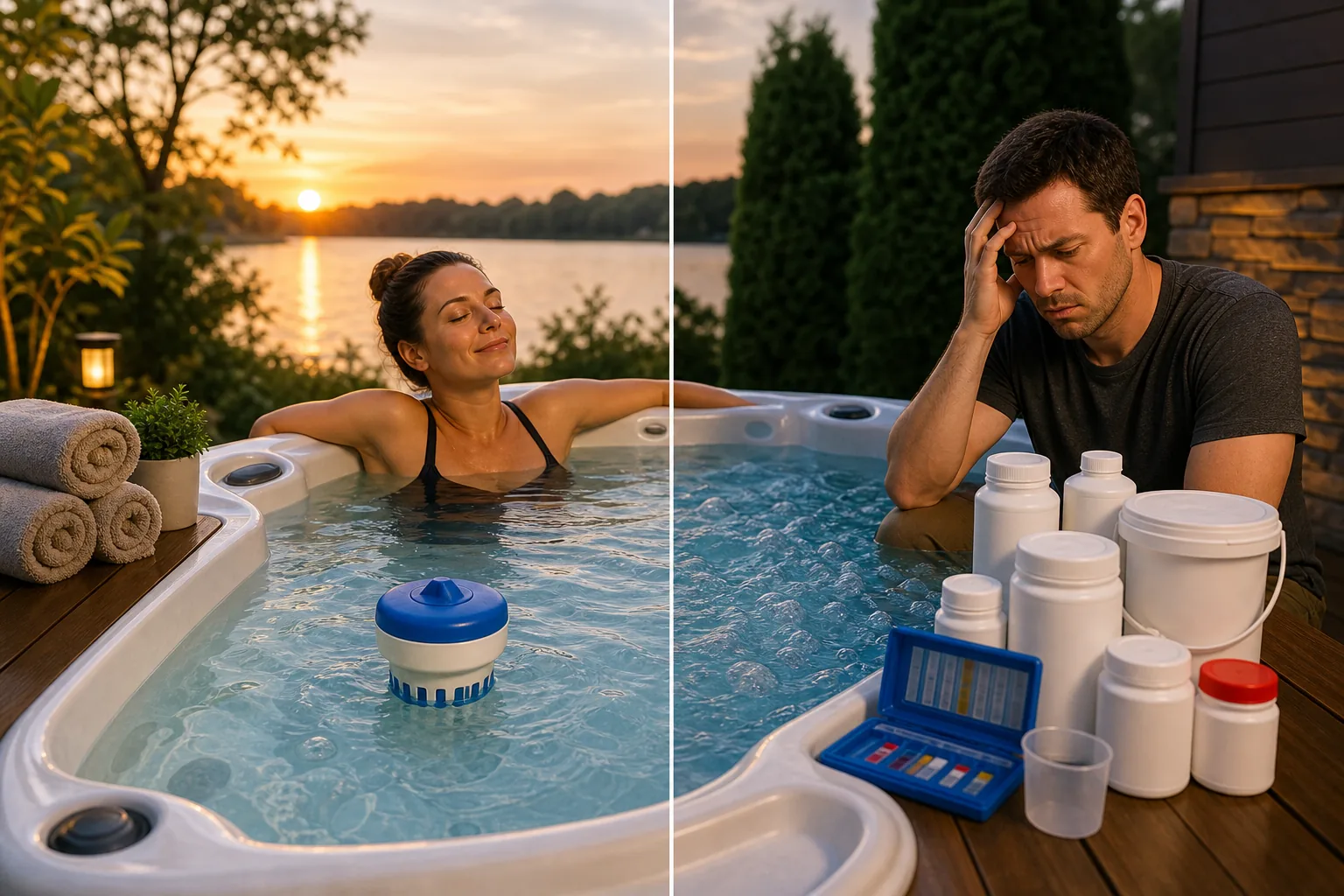
Who it’s best for: renters or owners who want an easy‑install option without rewiring or plumbing changes.
Pros: adjustable flow settings let you fine‑tune sanitizer levels; the unit stays out of the water flow path, so it’s less likely to clog. The main caveat is the need to replace tablets regularly, which can add up in cost over time.
4. Hard Water Treatment System , Soft Water, Minimal Buildup
Hard‑water softeners remove calcium and magnesium before the water enters the tub, keeping scale from forming on jets and heaters. The technology is similar to household water softeners but sized for spa volumes.
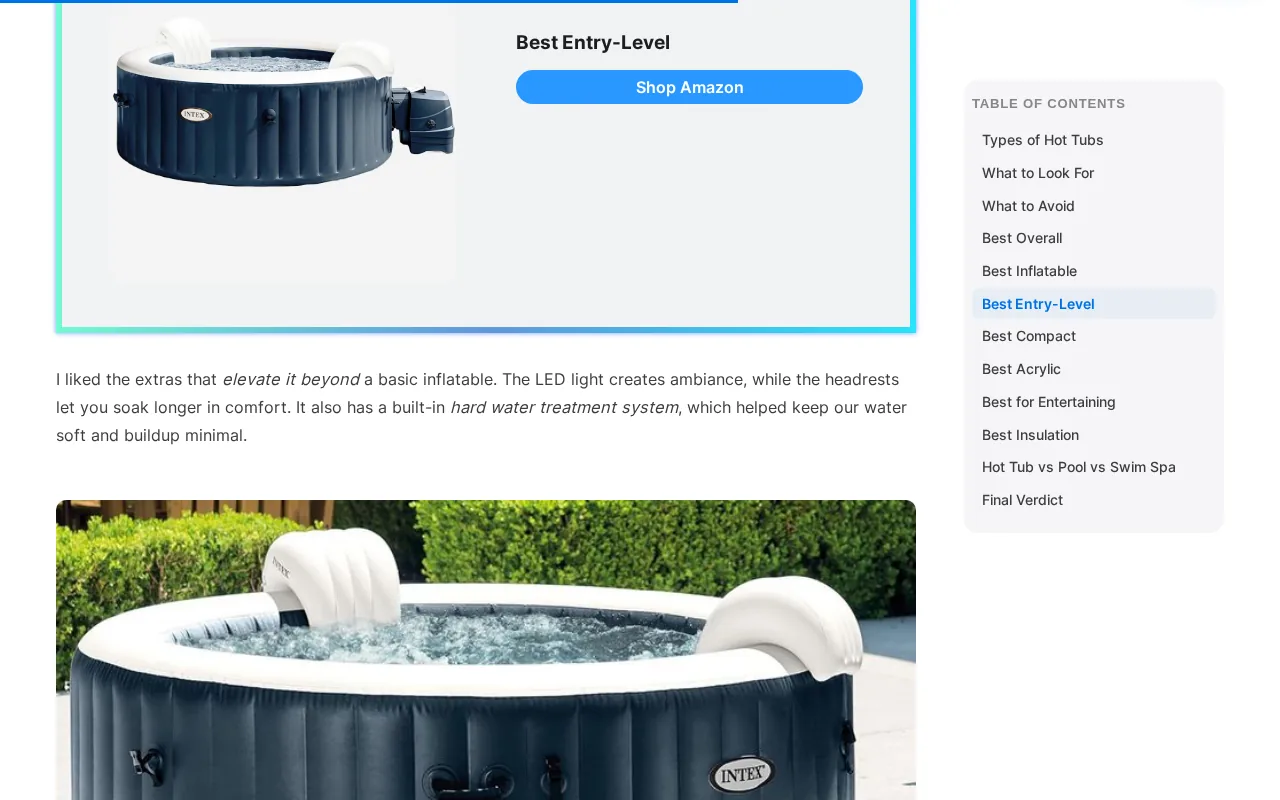
Who it’s best for: desert homeowners with mineral‑heavy supply water who want to protect pumps and heating elements.
Pros: softer water feels gentler on skin; fewer scale deposits mean less frequent filter cleaning. A limitation is the need to add a regeneration salt pack periodically, which is an extra maintenance step.
Softened water can help extend the life of metal components by reducing corrosion risk.
5. Salt‑Water (Electrolysis) , Natural Chlorine Generation
Salt‑water systems dissolve pool‑grade salt and run it through an electrolysis cell that creates chlorine on demand. The chlorine then sanitizes the water, and the salt remains in the tub.
Who it’s best for: buyers who want the “set it and forget it” vibe and are comfortable with a modest increase in upfront cost.
Pros: water feels silkier, chemical handling drops dramatically, and long‑term chemical costs shrink. Cons: the cell can corrode metal parts if not monitored; you’ll also need to replace the cell every few years and keep an eye on pH, which tends to rise in salt systems.
Research from Nordic Hot Tubs flags corrosion as a real risk, especially for stainless‑steel heaters in hot‑water environments.
6. UV Water Treatment , Chemical‑Free Sanitation
UV units shine germicidal light on water as it circulates, breaking DNA of bacteria, viruses, and algae. No chemicals enter the spa, so there’s no chlorine odor or skin irritation.
Who it’s best for: eco‑conscious owners who want a low‑maintenance, chemical‑free solution.
Pros: eliminates the need for chlorine or bromine, reduces chemical storage hazards, and provides a “pure” soak experience. The main drawback is that UV offers no residual protection; you still need a low level of sanitizer to guard against re‑contamination between cycles. UV lamps also need replacement every one to two years.
UV water treatment is widely recognized as one of the more effective non‑chemical sanitizers available, though it may not provide complete sanitation on its own and typically requires a supplementary treatment to maintain water safety between cycles.
7. Traditional Chlorine , Low Up‑Front Cost
Standard chlorine tablets dissolve quickly and keep sanitizer levels steady. The system is cheap to install and easy to find at any pool‑supply store.
Who it’s best for: budget‑focused buyers who don’t mind handling chemicals.
Pros: low initial expense, readily available chemicals, and strong oxidation power that kills bacteria fast. Cons: strong chlorine smell, potential skin irritation, and the need to monitor and adjust levels frequently.
8. Bromine (Traditional) , Gentle on Skin
Bromine tablets dissolve slower than chlorine, providing a steadier sanitizer level that’s less likely to cause eye or skin irritation.
Who it’s best for: hot‑tub users with sensitive skin or those who soak for long periods.
Pros: milder scent, better stability at higher temperatures, and a softer feel on the skin. Cons: bromine is usually pricier than chlorine and can be harder to find in some regions.
9. Mineral System , Reduced Chemical Use
Mineral cartridges release silver and copper ions that inhibit bacterial growth while a small amount of sanitizer keeps the water clear. The system cuts chemical demand dramatically.
Who it’s best for: owners who want a natural‑feel soak without the hassle of handling chlorine or bromine.
Pros: lower chemical usage, pleasant water feel, and less odor. A limitation is that the cartridge must be replaced every few months, and you still need a small residual sanitizer to handle spikes in bather load.
Silver and copper ions work quietly to keep water clear, which aligns with the eco‑friendly angle many desert homeowners appreciate.
How to Choose the Right Water‑Treatment System
- Assess your local water hardness. Hard water benefits most from a softening system.
- Consider budget: salt‑water and UV have higher upfront costs but lower long‑term chemical spend.
- Think about maintenance comfort. Ozone and floating dispensers are low‑effort; salt cells need periodic cleaning.
- Check warranty coverage. Some manufacturers void warranties if aftermarket kits are installed.
FAQ
What are the main advantages of a salt‑water hot tub?
The biggest win is softer, silkier water that feels gentler on skin and eyes, plus a reduced need to buy and store chlorine tablets.
Do salt‑water systems eliminate chlorine completely?
No. The system creates chlorine from salt, so you still have chlorine in the water, just generated automatically.
Can I convert an existing hot tub to salt‑water?
Yes. Most manufacturers offer drop‑in or inline generators that retrofit onto standard tubs, but you should verify compatibility with your tub’s plumbing.
How often do I need to replace a salt cell?
Typically every 1‑3 years depending on usage and how well you keep the cell clean; regular cleaning can extend its life.
Is UV safe for pets and children?
UV light stays inside a sealed chamber and never enters the water, so it’s safe for people and pets while the spa is in use.
Conclusion
If you value a soft, low‑odor soak and can handle a higher upfront price, the Caldera salt‑water spa from Luxury Hot Tubs is the clear front‑runner. Ready to upgrade? Explore our desert‑ready models and schedule a free on‑site consultation today.