
Most gym‑goers wonder whether a quick steam session should come first or last in their routine. The answer isn’t a simple yes or no , it depends on what you want to get out of the heat. In this guide we’ll break down how a sauna works before you lift, why it helps after you finish, what risks to watch for, and how to schedule the session for maximum gain.
By the end you’ll know exactly when to step into the sauna to hit your performance goals, protect your health, and keep the sweat flowing the right way.
How Sauna Impacts Your Body Before a Workout
Heat exposure acts like an extended warm‑up. When you sit in a sauna, core temperature rises and blood vessels dilate, sending more oxygen‑rich blood to the muscles. That extra flow can make the first set of reps feel smoother and lower the chance of a pulled hamstring.
Researchers have shown that a short, 10‑15 minute pre‑workout sauna can improve joint range of motion. Draper et al. (2013) reported a measurable boost in hamstring flexibility after a brief heat session, a finding that runs counter to the usual post‑exercise recommendation.
Here’s how the body reacts, step by step:
- Core temperature climbs 1‑2 °C, mimicking a dynamic warm‑up.
- Heart rate rises, prompting the circulatory system to pump faster.
- Muscle spindles become less sensitive, allowing smoother stretches.
That chain of events can shave a few seconds off sprint times or let you lift a bit heavier on the first set. However, the benefit only holds if you keep the session short and stay hydrated.
For beginners, 5‑10 minutes is a safe window. More seasoned users can stretch to 15‑20 minutes, but any longer risks dehydration and a drop in performance.
Usable tip: combine the sauna with a light mobility routine. While you’re seated, swing your arms, roll your shoulders, or do ankle circles. The heat loosens the tissues, and the movement reinforces the range‑of‑motion gains.
One real‑world example comes from a CrossFit box in Arizona. Athletes who added a 12‑minute sauna before their WODs reported feeling less tight in the hips and reported a 3‑5 % increase in lift volume during the first hour of training. They also noted the importance of drinking a glass of water right after stepping out.
Remember, a sauna does not replace dynamic stretches or activation drills. Think of it as a heat‑based supplement to your existing warm‑up, not a stand‑alone routine.
According to Wikipedia’s overview of saunas, the typical Finnish sauna runs between 150‑190°F (65‑88°C) with low humidity, creating a dry heat that penetrates deep tissue quickly. Those temperatures are enough to raise core temperature without overwhelming the body, as long as you listen to signals like dizziness or excessive sweating.
And if you’re training for a hot‑weather event, a pre‑workout sauna can act as a mini‑acclimation session, teaching your body to tolerate higher temperatures during the actual competition.

Benefits of Using a Sauna After Your Workout
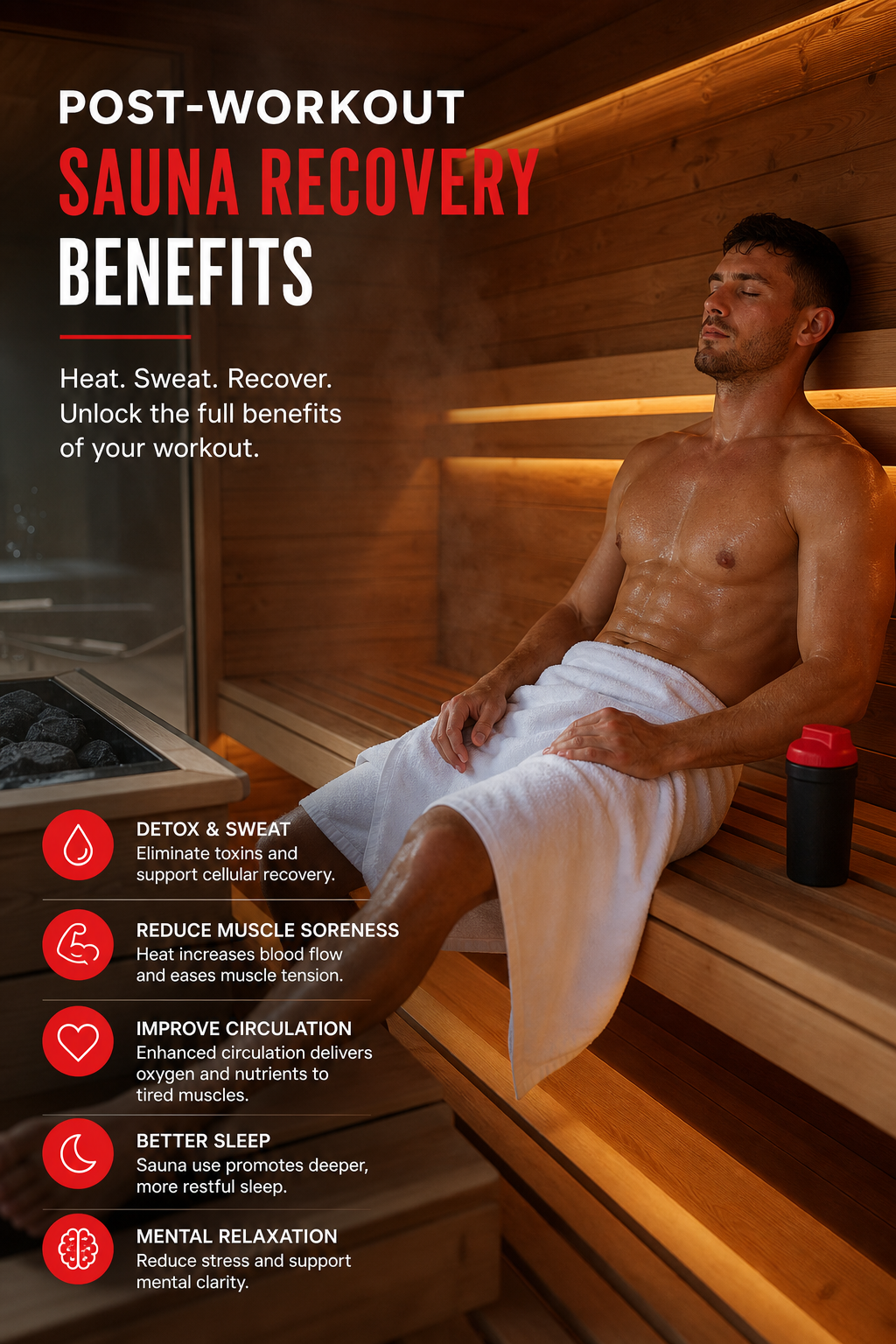
After you’ve pushed your muscles, the sauna becomes a recovery ally. Heat boosts blood flow, which carries nutrients and oxygen to sore fibers and helps flush metabolic waste like lactate.
Studies from the University of Colorado and other labs have shown that post‑exercise heat exposure can increase plasma volume, a key factor in cardiovascular fitness. Lance Dalleck, PhD, notes that a 15‑20 minute sauna session after training can raise core temperature to about 101‑102°F, enough to trigger the same adaptations you’d get from extra cardio minutes.
Key recovery mechanisms include:
- Enhanced circulation that reduces muscle soreness.
- Activation of heat‑shock proteins, which aid cellular repair.
- Improved glucose regulation, supporting glycogen replenishment.
These effects translate into real performance gains. A review of multiple trials found that participants who used a sauna after endurance runs recovered their jump height faster and reported lower perceived soreness.
Here’s a simple post‑workout routine you can try:
- Cool down with light stretching for 5 minutes.
- Hydrate with 12‑16 oz of water or an electrolyte drink.
- Enter the sauna for 15 minutes, aiming for a core temperature of 101‑102°F.
- Finish with a cool shower to bring heart rate down gradually.
Pro tip: If you’re short on time, split the sauna into two 7‑minute bouts with a brief 2‑minute cool‑down in between. This mimics interval training for the cardiovascular system while still delivering the recovery benefits.
A local health club in Palm Desert paired post‑class sauna sessions with a short meditation. Members reported not only less muscle ache but also better sleep quality the next night, which is another hidden performance booster.
For those who track numbers, a single sauna session can burn roughly 1.5‑2 calories per minute above resting metabolic rate, according to research from medical journals. While that won’t replace a cardio workout, it adds a modest calorie boost.
For more ideas on heat‑based recovery, check out 35 Infrared Sauna at Home Tips and Benefits for 2026. The guide explains how infrared heat differs from traditional sauna heat and why some athletes prefer it for post‑training sessions.
And if you’re curious about the science behind heat‑shock proteins, a 2022 paper in the American Journal of Physiology (see PubMed Central) details how these proteins protect muscle cells during stress.
Potential Risks and Precautions for Sauna Use Around Training
Heat feels good, but it can also strain the body if you’re not careful. Dehydration is the most common issue , you lose fluids in the sauna and then lose more during the workout.
When you combine an intense exercise bout with a sauna, heart rate can climb high enough to trigger heat‑related illnesses like heat exhaustion or, in rare cases, heat stroke. A study published in the Journal of Applied Physiology found that participants who used a sauna immediately after a high‑intensity interval workout experienced a longer time to return to resting heart rate, indicating added cardiovascular stress.
Here are the main hazards to watch for:
- Excessive fluid loss leading to electrolyte imbalances.
- Dizziness or light‑headedness from a sudden drop in blood pressure.
- Increased perception of fatigue, which can affect technique and raise injury risk.
Older adults and people with low blood pressure should be especially cautious. Heat can cause a rapid vasodilation, dropping systolic pressure and making you feel faint.
Safety checklist:
- Check urine color before you start , a pale yellow indicates adequate hydration.
- Limit pre‑workout sauna to 10 minutes if you plan a high‑intensity session.
- For post‑workout use, wait at least 5‑10 minutes after you finish exercising to let heart rate settle.
- Always have water or an electrolyte drink within reach.
And if you ever feel light‑headed, step out immediately, cool down with a cold shower, and sit quietly for a few minutes before resuming activity.
One athlete from a desert‑based triathlon team tried a 20‑minute sauna right before a long bike ride. He ended up with severe cramping halfway through the ride and had to stop. After that incident, he cut his pre‑exercise sauna to 5 minutes and added a quick hydration sip, which eliminated the issue.
Remember, the sauna is a tool, not a substitute for proper warm‑up or cool‑down routines. Use it to enhance, not replace, your core training practices.
For a deeper look at the physiological mechanisms, on PubMed Central. The authors explain how heat stress interacts with muscle metabolism and why timing matters.
“Heat exposure after intense exercise can be an extra stressor, slowing recovery if not managed properly,” says Dr. Essi Ahokas, a researcher at the University of Jyväskylä.
Timing Your Sauna Session: Usable Recommendations
Putting it all together, the best plan hinges on your specific goal , flexibility, performance, or recovery.
Below is a quick matrix that shows when to use a sauna, how long to stay, and what to watch for.
How to implement the plan in a typical week:
- Monday & Thursday , 10‑minute pre‑workout sauna for mobility.
- Tuesday, Friday, Saturday , Post‑workout sauna 15 minutes for recovery.
- Sunday , Rest from sauna, focus on hydration and nutrition.
Adjust the schedule based on how your body feels. If you notice lingering fatigue, cut the pre‑workout sessions in half or skip them on heavy‑lift days.
One final tip: keep a simple log. Note the date, temperature, duration, how you felt before and after, and any changes in performance. Over a month you’ll see patterns that help you fine‑tune the timing.
FAQ
Can I use a sauna if I have high blood pressure?
People with hypertension should talk to their doctor first. Heat can lower blood pressure temporarily, but the rapid drop may cause dizziness. If cleared, start with a low‑temperature, short session (5‑8 minutes) and monitor how you feel. Hydration is especially important because low blood volume can exaggerate the pressure change.
Is an infrared sauna better than a traditional one for post‑workout recovery?
Infrared heat penetrates deeper at lower air temperatures, which some athletes find gentler on the joints. Research from the Cleveland Clinic shows infrared can raise heart rate similarly to moderate exercise while keeping the ambient heat more tolerable. Choose the type that feels comfortable and fits your space.
How soon after a strength session should I enter the sauna?
Give your muscles a brief cool‑down , about 5‑10 minutes of light stretching or walking. This lets heart rate drop a bit and reduces the risk of overheating. After that window, a 15‑minute sauna will still deliver the circulation boost without adding excessive stress.
What if I feel dizzy during a sauna session?
Step out immediately, sit in a cool area, and sip water. Dizziness often signals that you’re dehydrated or that core temperature is too high. Take a few minutes to recover before deciding whether to resume or end the session.
Can I combine a sauna with a cold plunge?
Yes, contrast therapy is popular for athletes. Alternate 5‑minute sauna bouts with 1‑2 minute cold plunges to improve vascular tone. Start with a short sauna, then a brief plunge, and repeat once. Always end with a cool shower to normalize temperature before returning to daily activities.
How many sauna sessions per week are safe?
Most studies suggest 2‑4 sessions weekly provide the most benefit without over‑stress. If you’re using the sauna for recovery, three times a week is a good balance. Pay attention to how sore you feel; excessive sessions can add fatigue rather than relief.
Do I need to eat before a sauna?
Light carbs (a banana or a small granola bar) about 30 minutes before can help maintain blood sugar during the heat. Avoid heavy meals, as digestion competes with blood flow and can make you feel uncomfortable in the sauna.
Is there a best time of day for sauna use?
Morning sessions can act as a warm‑up before a workout, while evening sessions support relaxation and sleep. If your goal is performance, align the sauna with your training window. For stress relief, later in the day may be more beneficial.
Conclusion
Whether you choose a pre‑workout or post‑workout sauna depends on what you’re after. A short, 10‑15 minute heat burst before you lift can loosen muscles and improve range of motion, but you must stay short and hydrate. After you finish training, a longer 15‑20 minute session helps flush waste, boost circulation, and trigger repair proteins that speed recovery.
Both approaches have risks , dehydration, dizziness, and added cardiovascular load , so use the safety checklist, listen to your body, and keep a log of how each session feels.
If you’re ready to add heat to your routine, start with the simple schedule outlined above, tweak it based on personal response, and consider exploring infrared options for a gentler post‑workout experience.
Looking for more detailed recovery strategies? to dive deeper into protocols, equipment choices, and long‑term benefits.