
Heat can feel good, but it also shifts the force of blood in your arteries. If you have high blood pressure, that shift matters. This guide shows how to use a sauna safely so it helps, not harms, your heart. You’ll get step‑by‑step actions, real‑world tips, and safety checks that fit a busy lifestyle.
By the end you’ll know what type of sauna works best, how long to stay in, how to watch your numbers, and what to do after the heat. Let’s get started.
Step 1: Consult Your Doctor Before Starting
Before you turn on any heater, talk to a medical professional. A doctor can tell you if your blood pressure is stable enough for heat exposure. If your numbers are still high, the doctor may suggest medication tweaks or lifestyle changes first.
Many studies show that people with well‑controlled hypertension can handle sauna sessions without trouble. For example, the American Heart Association cites research where regular sauna use lowered heart‑related deaths among stable patients. The key is a clean bill of health.
Ask your doctor these questions:
- Is my current blood pressure level safe for sauna use?
- Do any of my meds make me more heat‑sensitive?
- What warning signs should I watch for while inside?
Write down the answers. Keep the note handy for the first few visits.
If you’re unsure whether your pressure is truly under control, you can use a free online symptom checker to get a quick snapshot before the appointment. That tool won’t replace a doctor, but it can help you decide if the visit is urgent.
When the doctor gives the go‑ahead, they may set limits on session length or temperature. Follow those limits exactly until you see how your body reacts.
Skipping this step can lead to fainting, rapid heart beats, or worse. A short chat with a clinician adds a safety net that lets you enjoy the heat with confidence.
Step 2: Choose the Right Sauna and Session Length
Not all saunas are created equal. The temperature range, humidity, and heat source all affect how your blood vessels respond. Research on 19 sauna types shows most sit between 60 °F and 120 °F, with session times hovering around 15 minutes.
Two main families matter for blood pressure:
- Traditional Finnish saunas, dry heat, often 150‑190 °F. They can raise systolic pressure by up to 8 mmHg in some studies.
- Infrared saunas, emit light that warms the body directly, usually 120‑140 °F. They tend to lower systolic pressure by a similar amount.
If you’re new or find high heat uncomfortable, start with an infrared unit. If you prefer the classic steam‑less experience, a low‑temperature Finnish sauna works too, just keep the time short.
Here’s a quick decision table:
When you pick a sauna, also think about the space. A home unit that fits your bathroom or a backyard barrel can be installed by a specialist. Infrared sauna at home tips from Luxury Hot Tubs cover placement, wiring, and maintenance for desert climates.
Session length matters just as much as temperature. Most guidelines suggest 10‑20 minutes per session. A good starter plan looks like this:
- Week 1‑2: 5 minutes at low heat.
- Week 3‑4: 10 minutes, keep temperature modest.
- Week 5‑6: 15 minutes, adjust heat if you feel fine.
Listen to your body. If you feel light‑headed, step out early.
Research on sauna duration shows that a 15‑minute exposure can shift blood pressure for up to two hours after you leave. That window is perfect for a post‑workout cool down.
When you set up your routine, write it down. A simple log helps you see patterns over weeks.
Below is a short video that walks through setting up a safe home sauna routine.
Make sure the space is well‑ventilated and that the heater has a reliable thermostat. A stable temperature protects you from sudden spikes that could push blood pressure up.
Step 3: Prepare Your Body for the Sauna
Preparation is the bridge between a doctor’s OK and a safe session. Your body needs fuel and fluids to handle the heat without stress.
Eat a light snack 1‑2 hours before you go in. Good options are a banana, a small bowl of yogurt, or whole‑grain toast with nut butter. Heavy, greasy meals pull blood to the stomach, which can lower blood flow to the skin and make you feel dizzy.
Hydration is critical. Drink about 500 ml of water in the hour before you start, then sip a small amount during breaks. Avoid alcohol; it widens blood vessels and can cause a sudden drop in pressure.
Dress lightly. Most people wear a swimsuit or shorts. If you’re in a traditional sauna, sit on a towel to keep the bench clean.
Warm‑up your muscles with a few minutes of gentle movement, march in place or stretch your arms. This raises core temperature a bit, so the jump into the sauna feels less shocking.
For people on blood pressure medication, timing matters. Some drugs, like atenolol, can blunt the heart‑rate rise that sauna normally causes. If you take such meds, talk to your doctor about the best time of day for a session.
After the sauna, you’ll lose about a pint of sweat. Have a bottle of water ready to rehydrate. If you’re exercising before the heat, add an electrolytes drink to replace salts.
These steps create a steady base so the sauna can work like light exercise without over‑taxing your heart.
Step 4: Monitor Your Blood Pressure During the Session
Keeping an eye on numbers while you heat up is simple and powerful. A cuff‑type home monitor or a wrist device can give you a quick reading before you step in, midway, and after you exit.
Start by measuring your blood pressure while you’re still at room temperature. Write the systolic and diastolic values down.
Enter the sauna and sit calmly. After about five minutes, pause (if safe) and take a quick reading. You may notice a slight dip as vessels dilate. If the reading drops more than 15 mmHg, it’s a sign to shorten the session.
When you finish, wait two minutes on the lower bench with feet flat on the floor. Then measure again. Blood pressure often climbs back up during the cool‑down phase.
Tracking these three points, baseline, mid‑session, post‑session, creates a pattern. Over weeks you’ll see whether regular sauna use is nudging your numbers lower.
One study found that a single 15‑minute infrared session lowered systolic pressure by about 8 mmHg for up to two hours. That effect can add up when you repeat the habit three times a week.
Here’s a quick checklist for each visit:
- Record baseline BP.
- Check mid‑session BP (optional).
- Note post‑session BP.
- Write down how you felt (dizzy, relaxed, etc.).
When you notice a trend of rising numbers, pause the sauna routine and talk to your doctor.
According to Thermen Resorts, regular sauna work can train vessel walls, helping them stay flexible. That flexibility is a key piece of long‑term blood pressure control.
Remember: if you feel any sharp chest pain, extreme dizziness, or shortness of breath, exit immediately and seek medical help.
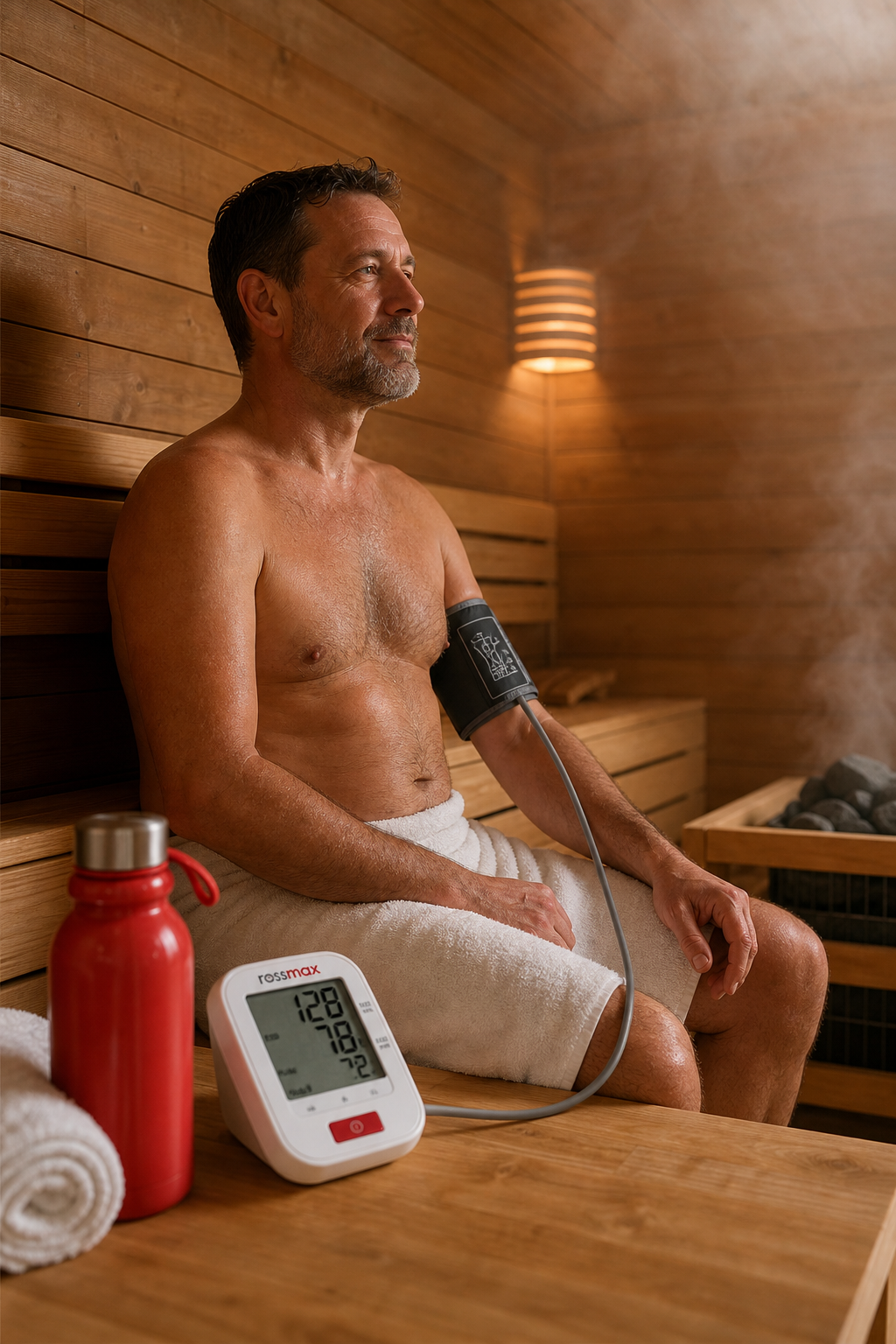
By turning monitoring into a habit, you turn the sauna into a data‑driven tool rather than a guess.
Step 5: Cool Down and Post‑Sauna Care
Cooling down is more than stepping out. It helps seal the blood‑pressure benefits and prevents a sudden rebound.
First, sit on the lower bench with feet flat for a minute. This lets blood flow settle before you stand.
Next, take a lukewarm shower for 2‑3 minutes. The water should be cool enough to feel refreshing but not icy. If you like contrast therapy, you can add a quick cold splash after the warm rinse, but only if your doctor said it’s safe.
Re‑hydrate fully. Aim for at least 500 ml of water within the next hour. If you’ve sweated a lot, add a pinch of sea salt or an electrolyte drink.
Stretch lightly. Gentle neck rolls and shoulder rolls ease any tension built up during the heat.
Log your post‑session blood pressure again. Compare it to the baseline you took earlier. Over weeks, you should see a gradual trend toward lower numbers if you keep the routine steady.
For people who own a hot tub, a brief soak at a moderate temperature (around 100 °F) can extend the relaxation without adding extra heat stress. Luxury Hot Tubs notes that a well‑maintained tub can complement sauna use by keeping muscles loose and circulation moving.
Finally, give your skin time to dry naturally. Pat it gently with a towel, then apply a light moisturizer if you tend to get dry.

With these steps, you turn a simple heat session into a repeatable habit that supports heart health.
Frequently Asked Questions
Can I use a sauna if my blood pressure is borderline high?
If your systolic number is just above the normal range (130‑139 mmHg) and you have no other heart issues, many doctors say short, low‑heat sessions are okay. Start with 5 minutes at 110 °F and monitor how you feel. If you notice dizziness or a big pressure dip, stop and talk to your physician.
How often should I sauna to see blood‑pressure benefits?
Research points to three to four sessions per week for the best effect. A Finnish cohort showed that people who visited a sauna four‑to‑seven times a week cut their risk of hypertension by a noticeable margin. Consistency matters more than occasional long sessions.
Is it safe to combine sauna with my regular exercise?
Yes, if you space them out. A common routine is to finish a workout, rest for 10 minutes, then spend 15 minutes in an infrared sauna. The heat can help muscles relax and may amplify the blood‑pressure‑lowering effect. Always check with your doctor first, especially if you take heart‑rate‑lowering meds.
What temperature should I aim for if I have high blood pressure?
Stay in the lower end of the typical range, around 120 °F for infrared or 150 °F for a dry sauna. Higher temps tend to push systolic pressure up, which can counteract the benefits. Keep the session short until you know how your body reacts.
Should I avoid alcohol before or after a sauna?
Yes. Alcohol widens blood vessels and can cause a sudden drop in pressure, making fainting more likely. It also adds extra strain on the heart when you’re already heating up. Stick to water, herbal tea, or a light electrolyte drink.
Do I need a special blood‑pressure cuff for sauna use?
No special equipment is required. A standard home cuff works fine as long as it can be read quickly. Some people prefer a wrist monitor for convenience, but arm cuffs tend to be more accurate, especially after you’ve sweated.
Can sauna replace my blood‑pressure medication?
No. Sauna is a complement, not a replacement. Medications target the underlying mechanisms of hypertension, while heat therapy adds a modest, temporary dip in pressure. Always follow your doctor’s prescription schedule.
What if I feel light‑headed during a session?
Exit the sauna immediately, sit on a low bench, and sip water. Measure your pressure if you have a cuff. If the reading is still low or you feel unwell, call a healthcare provider. Light‑headedness can signal that the heat is too intense for your current state.
Conclusion
Using a sauna for blood pressure isn’t magic, but it can be a solid piece of a heart‑healthy routine. Start with a doctor’s OK, pick a gentle heat source, keep sessions to 10‑20 minutes, watch your numbers, and cool down responsibly. Over weeks, you’ll see whether the heat nudges your pressure in the right direction.
If you want a deeper dive on how sauna fits into a broader wellness plan, on Luxury Hot Tubs. It walks through diet, exercise, and relaxation tips that pair well with safe sauna use.