
Ever wish you could hit a reset button on your stress levels with just a few minutes of heat? Stepping into a sauna does more than make you sweat, it flips your nervous system from fight-or-flight to chill mode, boosts mood-lifting chemicals, and trains your brain for better resilience. Research shows that regular sauna bathing can lower cortisol, increase endorphins, and improve heart rate variability. In this guide, we break down the best sauna practices for stress relief so you can find the style that works for you.
1. Traditional Finnish Sauna , The Classic Stress Buster
The traditional Finnish sauna is the gold standard for heat therapy. It uses a stove to heat stones, which then radiate dry heat at temperatures between 150°F and 200°F. You can splash water on the stones for a burst of steam, called löyly, which raises humidity briefly. This intense heat triggers a powerful thermoregulatory response: your blood vessels widen, heart rate increases, and you start to sweat profusely.
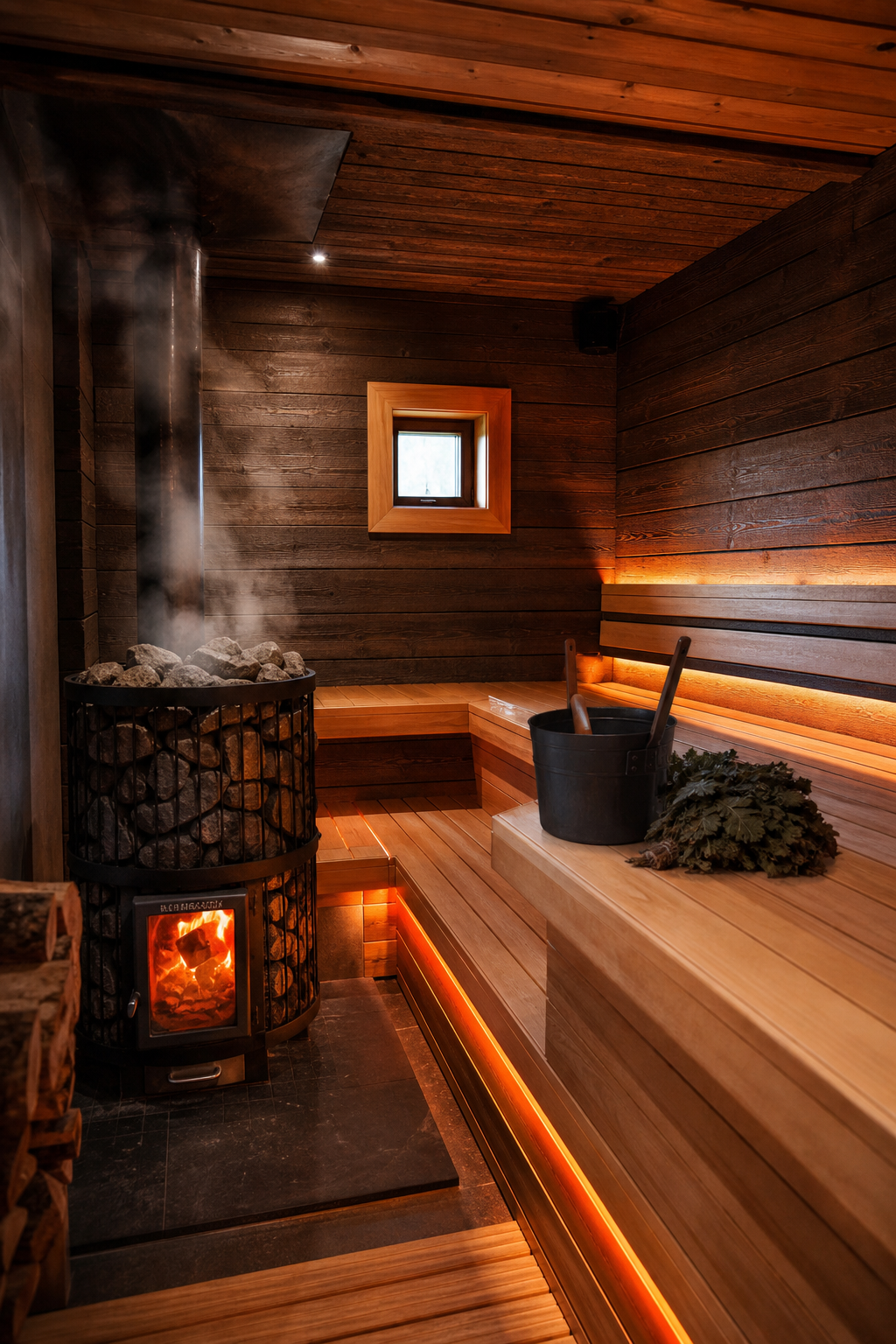
The health benefits are well documented. published in the Journal of Complementary and Integrative Medicine, regular dry sauna bathing can improve cardiovascular function, reduce muscle tension, and promote relaxation. The heat stimulates the release of endorphins, your body’s natural painkillers, which create a feeling of well-being. It also lowers cortisol, the stress hormone, helping you feel calmer after each session.
For stress relief, the key is consistency. The Finnish study found that men who used a sauna four to seven times per week had a 65% lower risk of Alzheimer’s disease and significantly reduced risk of sudden cardiac death. But even once a week provides benefits. Start with 10, 15 minute sessions and work up to 20, 30 minutes as you get used to the heat. Always listen to your body and step out if you feel dizzy or uncomfortable.
If you’re new to saunas, this is a great place to start. The traditional Finnish sauna is widely available and has the most research backing its health claims. It’s also a social experience if you share it with friends or family, which adds another layer of relaxation.
2. Infrared Sauna , Low-Heat, High Relief
Infrared saunas use light panels to heat your body directly, not the air around you. So the air stays cooler, usually between 120°F and 150°F, but you still sweat and your heart rate goes up. This makes infrared saunas a good option if you find traditional saunas too hot or claustrophobic. The lower temperature lets you stay longer, often 30, 45 minutes, which can deepen the relaxation.
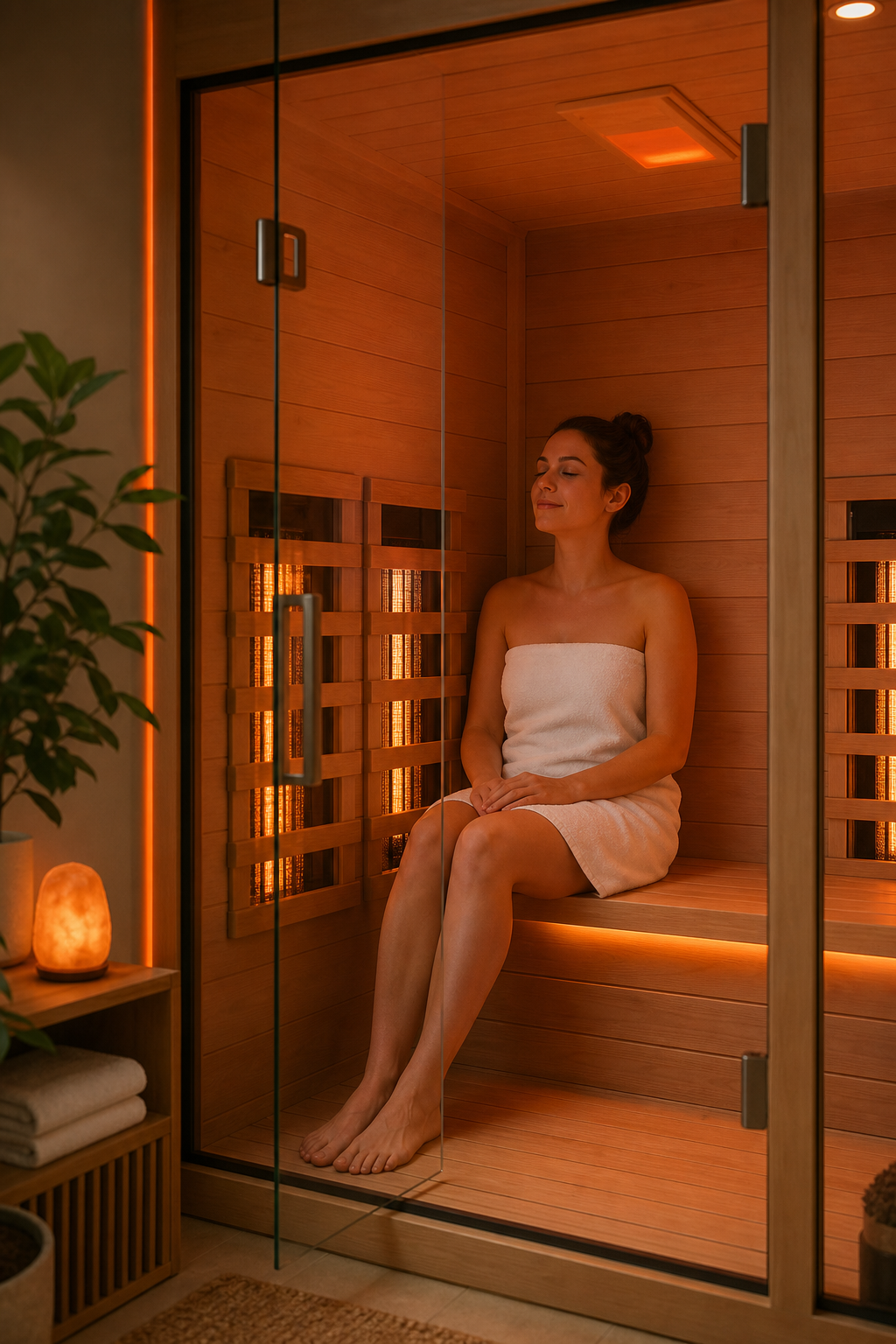
Research shows infrared saunas can be just as effective for stress relief as traditional ones. A study from the Wikipedia entry on infrared saunas notes that the deep heat penetration may improve circulation and reduce inflammation. Many users report feeling a deep, calm relaxation after a session, similar to a massage. The market for home saunas is growing, and infrared models now account for 38% of all units sold, according to recent industry data.
One advantage is the availability of full-spectrum infrared models, which combine near, mid, and far infrared waves. These can target different tissue depths, potentially enhancing the stress-relief response. However, only about one-third of manufacturers specify a stress-relief mechanism in their product descriptions, so it pays to research. Look for models with adjustable temperature and timer so you can customize your session.
For stress relief, consistency is still important. Aim for 3, 4 sessions per week. Many people prefer infrared because they can watch a movie or listen to music while they sit, turning the sauna into a mindfulness space. The gentle heat makes it easier to breathe deeply and let go of tension.
3. Contrast Therapy , Hot & Cold for Nervous System Reset
Contrast therapy involves alternating between hot sauna and cold exposure, like a cold plunge or shower. This cycle pushes your nervous system to adapt quickly, which can reset your stress response. The heat dilates blood vessels and increases circulation; the cold constricts them and sharpens the mind. The back-and-forth creates a pumping effect that helps flush out metabolic waste and reduce inflammation.
Japanese sauna culture calls the state after a hot-cold cycle “totonou” , a feeling of perfect balance and clarity. A study from Wikipedia’s sauna page explains that this state is associated with increased theta and alpha brain waves, indicating deep relaxation and mental clarity. Participants in the study reported significant reductions in stress after three rounds of hot-cold.
To practice contrast therapy at home, start with a 10, 15 minute sauna session. Then step into a cold shower (60°F, 70°F) for 1, 2 minutes. Repeat 2, 3 times. Always end on cold to invigorate the nervous system. This practice is not for everyone , people with heart conditions or high blood pressure should consult a doctor first.
Many athletes use contrast therapy for muscle recovery, but it’s equally powerful for mental recovery. The cold exposure teaches your body to stay calm under duress, which translates to better stress management in daily life. Start slowly and build up tolerance. And never do cold exposure right after eating or if you feel weak.
4. Dry Sauna with Mindfulness & Breathing Techniques
Combining sauna use with mindfulness and breathing can boost the stress-relief effects. The quiet, warm environment is perfect for meditation. When you focus on your breath, you activate the parasympathetic nervous system, which calms the body. The heat amplifies this by relaxing muscles and lowering heart rate.
According to a guide from SaunaFin’s blog on breathing exercises in sauna, deep breathing in the heat opens blood vessels, improves circulation, and reduces cortisol. The author recommends box breathing: inhale for 4 seconds, hold for 4, exhale for 4, hold for 4. Repeat for 5, 10 minutes. This pattern signals safety to your brain, overriding the fight-or-flight response.
Mindfulness in the sauna can be as simple as paying attention to the sensation of heat on your skin, the sound of your breath, or the smell of cedar. You don’t need a formal practice. Just sit quietly and let your thoughts drift. If your mind wanders, bring it back to your breath. Over time, this trains your brain to handle stress with less reactivity.
One research-backed technique is to pair the sauna with a gratitude exercise. As you sit in the heat, think of three things you’re grateful for. This shifts your focus from stressors to positive aspects of your life, reducing overall anxiety. The combination of heat and positive psychology can have a synergistic effect on mood.
Start with 10 minutes of mindful breathing in the sauna. Gradually increase to 20 minutes as you become more comfortable. Use a timer so you don’t have to watch the clock. Some people pd meditations or calming music, but silence works just as well.
5. Evening Sauna Session , Optimizing Sleep and Recovery
Taking a sauna in the evening can dramatically improve your sleep quality, which is essential for stress management. The heat raises your core temperature, and when you step out, your body cools down, mimicking the natural drop in temperature that triggers sleep. This promotes the release of melatonin, the sleep hormone, and increases deep sleep duration.
A study published in Saatva’s blog on sauna for sleep found that participants who used a sauna before bed experienced a 70% increase in deep sleep within the first two hours. Better sleep directly lowers cortisol levels and improves mood the next day. The key is timing: finish your sauna session about 1, 2 hours before you plan to sleep. This gives your body time to cool down and initiate sleep processes.
Evening saunas also help with physical recovery. If you’ve had a stressful day or a tough workout, the heat relaxes tense muscles and reduces pain. This physical relief translates to mental relief, making it easier to let go of the day’s worries. Many people report waking up feeling more refreshed and less anxious after a sauna night.
For best results, make your evening sauna a ritual. Dim the lights, play soft music, and avoid screens afterwards. This signals to your brain that it’s time to wind down. Consistency is key , aim for 3, 4 evening sessions per week. Over time, your body learns to associate the sauna with relaxation and sleep, making it easier to fall asleep naturally.
FAQ
How often should I use a sauna for stress relief?
Most studies suggest 3, 4 times per week is optimal for stress reduction. Even once a week can provide benefits, but regular sessions yield cumulative effects on cortisol levels and heart rate variability. Start with 2, 3 times per week and build up as your body adapts. Listen to your body and take rest days if needed.
Can saunas help with anxiety disorders?
Yes, sauna therapy can be a helpful complementary tool for anxiety. The heat triggers relaxation responses, lowers stress hormones, and boosts mood-enhancing chemicals. A study in the International Journal of Circumpolar Health found that regular sauna users reported less anxiety and better sleep. However, sauna should not replace professional treatment for anxiety disorders.
Is infrared or traditional better for stress relief?
Both types are effective for stress relief. Traditional saunas provide intense heat that quickly improves heart rate and endorphin release. Infrared saunas offer a gentler, longer session that may be easier to tolerate. Personal preference matters. The best sauna is the one you’ll use consistently. Try both if possible to see which feels better for you.
How long should a sauna session be for stress relief?
For stress relief, aim for 15, 30 minutes per session. Start with 10, 15 minutes if you’re new, and gradually increase. The ideal length depends on the sauna type and your tolerance. Traditional saunas often need shorter times (10, 20 minutes), while infrared can go up to 45 minutes. Listen to your body , if you feel dizzy or uncomfortable, step out early.
Should I use a sauna in the morning or evening for stress relief?
Evening sessions are generally better for stress relief because they promote sleep, which is critical for managing stress. The post-sauna drop in core temperature triggers melatonin release and deep sleep. Morning sessions can still be beneficial for an endorphin boost, but they may interfere with sleep if done too close to bedtime. Experiment to find your ideal time.
Can I do breathing exercises in a sauna?
Absolutely. Breathing exercises in a sauna enhance the relaxation response. The warmth helps you breathe more deeply, and focused breathing reduces heart rate and cortisol. Techniques like box breathing (4-4-4-4) or diaphragmatic breathing work well in the quiet, warm environment. Start with 5 minutes and gradually increase. Just be mindful of heat exhaustion and stay hydrated.
What precautions should I take when using a sauna for stress relief?
Stay hydrated before and after each session. Avoid alcohol and heavy meals right before sauna use. If you have a heart condition, low blood pressure, or are pregnant, consult your doctor first. Never stay in longer than you feel comfortable. If you feel dizzy, nauseous, or have chest pain, exit immediately and cool down. Start with short sessions and build up.
Can sauna use improve heart rate variability (HRV)?
Yes, studies show that regular sauna use can improve heart rate variability, which is a marker of how well your nervous system handles stress. A single 30-minute sauna session decreased sympathetic activity by 38% and increased parasympathetic activity by 28%. Better HRV is linked to lower anxiety and greater resilience to stress.
Conclusion
Sauna bathing is one of the most enjoyable and scientifically backed ways to reduce stress. Whether you prefer the intense heat of a traditional Finnish sauna, the gentle warmth of infrared, the dynamic reset of contrast therapy, the mindfulness of combining heat with breathwork, or the sleep-boosting benefits of an evening session, there’s a practice that fits your lifestyle. The key is consistency. Start with two or three sessions per week, listen to your body, and make it a ritual you look forward to.
Beyond stress relief, regular sauna use can improve cardiovascular health, reduce muscle soreness, and even lower your risk of chronic disease. It’s a small investment of time that pays off in better mental and physical well-being. If you’re considering adding a sauna to your home, explore options that match your space and budget. Your path to a calmer, healthier life might just start with a little heat.
For more on creating your ideal home wellness setup, on setting up an infrared sauna at home to complement your stress-relief routine. And if you’re looking for luxury transportation to unwind further, a premium car service in San Diego can help you arrive relaxed and ready to enjoy your wellness time.