
Infrared sauna benefits aren’t a myth , they’re backed by science and real‑world use. In the next few minutes you’ll see how the heat works, why your heart and muscles love it, and how to fit safe sessions into a busy life.
We’ll break down the tech, the health data, safety rules, and the steps to pick the right unit for your home. By the end you’ll have a clear plan to enjoy the perks without guesswork.
What Is an Infrared Sauna and How It Works
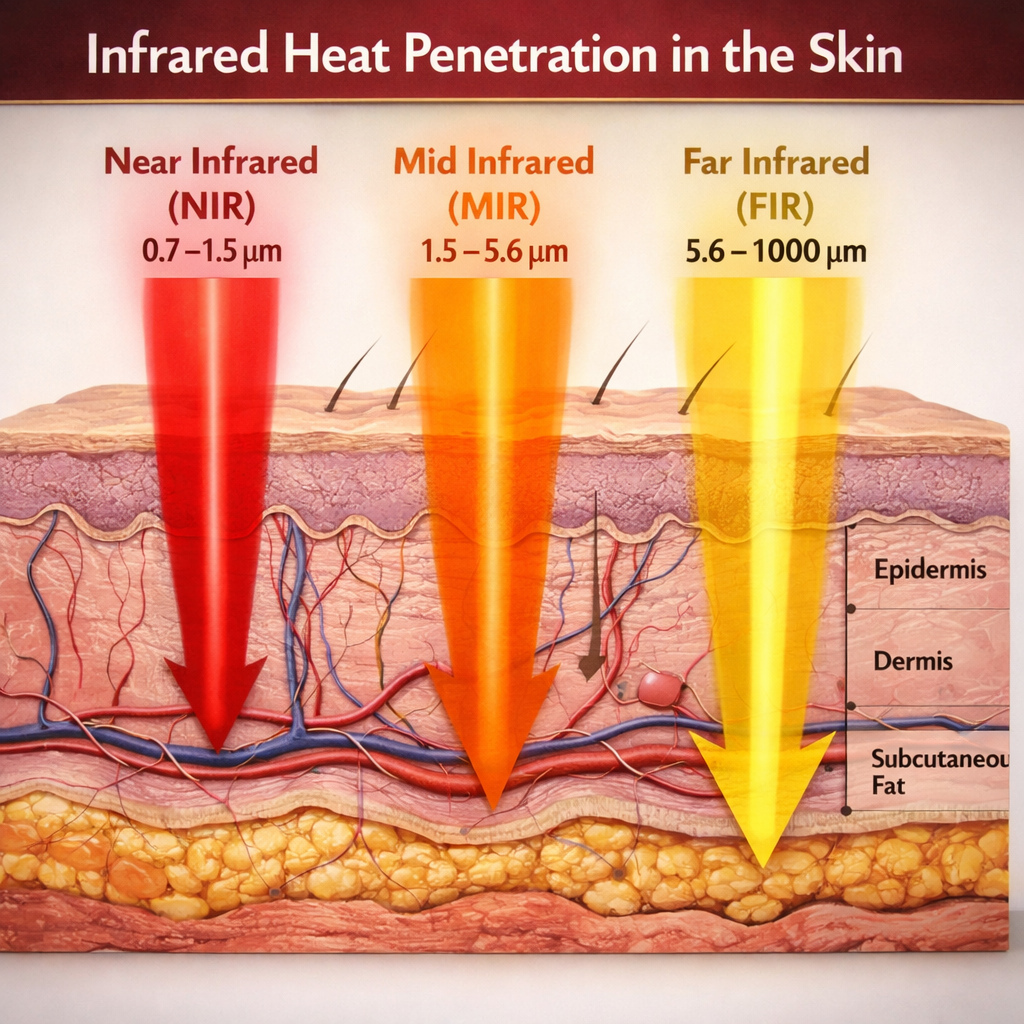
Think of an infrared sauna as a heat lamp that talks straight to your skin. Instead of heating the air like a traditional sauna, it sends invisible light waves , near, mid, and far infrared , that slip through the surface and warm you from the inside out.
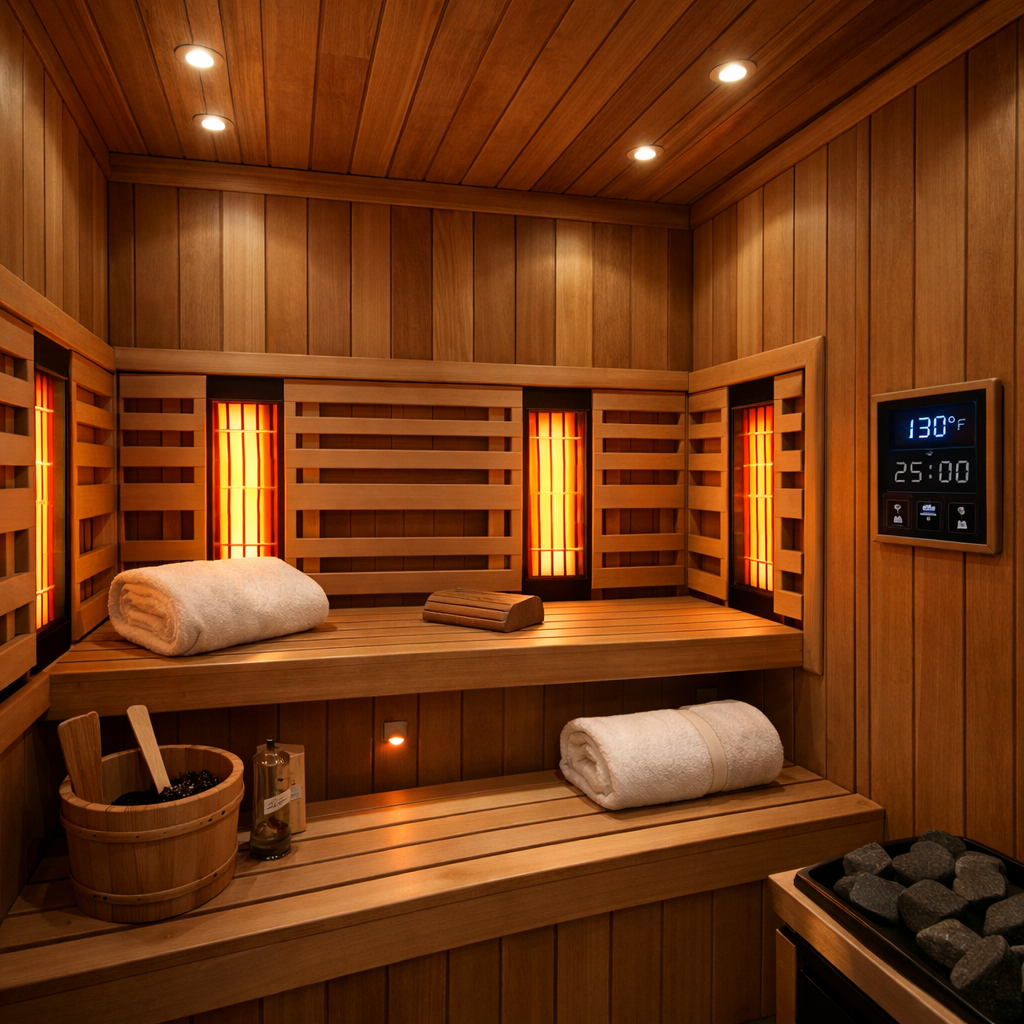
These wavelengths sit in the electromagnetic spectrum just beyond visible red light. They can’t be seen, but they carry energy that your body absorbs. The result is a gentle rise in core temperature while the room stays cooler, usually between 130°F and 170°F.
Because the air stays relatively cool, you breathe easier and you can stay longer without feeling suffocated. The heat also nudges your blood vessels to expand, which boosts circulation and triggers a light sweat that helps flush toxins.
Manufacturers often combine the infrared panels with medical‑grade red light therapy. That adds a photobiomodulation boost, which research shows can aid skin repair and reduce inflammation.
Here’s a quick look at the three infrared bands:
- Near‑infrared (NIR), short waves that reach just below the skin, good for cellular repair.
- Mid‑infrared (MIR), medium depth, helps with joint comfort.
- Far‑infrared (FIR), longest waves, dives deep into muscle and tissue, driving the sweat.
All three work together to create the full‑spectrum experience many users love.
For a plain‑language definition, see Wikipedia’s infrared sauna entry. It explains the physics in a way that’s easy to follow.
And if you’re curious how the panels are wired, the industry standard is a low‑voltage, low‑EMF design that keeps magnetic fields well under safety limits.
“Infrared heat supports your body’s natural detox pathways, while boosting metabolism during and after your session.” , industry overview
Cardiovascular Benefits and the Science
Heart health tops the list of infrared sauna benefits. A large Finnish cohort study linked regular sauna use (4‑7 times a week) to a 63% lower risk of sudden cardiac death , a number that rivals many prescription drugs.
The same data set showed a mean drop in BNP (a heart‑stress marker) of ‑124.62 pg/mL after five weekly 15‑minute sessions, plus a modest rise in left‑ventricular ejection fraction of +1.45 %.
Why does this happen? The heat raises your heart rate by about 30% , similar to a light jog. That mild cardio load improves blood vessel elasticity, lowers systolic pressure over time, and trains the heart to pump more efficiently.
One study published in PubMed Central (PMCID PMC6489706) measured these exact changes after a 2‑week protocol. Participants reported feeling less breathless during everyday tasks, a sign of improved aerobic capacity.
For most people, three to five sessions per week, each 30‑45 minutes, hit the sweet spot. If you have high blood pressure, start slower and monitor your numbers , the heat can initially lower pressure, which is good, but you don’t want a sudden dip.
Bottom line: The cardio boost from infrared heat is real, measurable, and safe when you respect your body’s signals.
Metabolic and Weight Management Effects
Beyond the heart, infrared sauna sessions nudge your metabolism. The body works to cool itself, burning extra calories in the process. A typical 30‑minute session can torch 300‑600 calories, depending on temperature and your fitness level.
This isn’t a substitute for exercise, but it adds a passive calorie burn that can tip the scale over weeks. More importantly, the heat improves insulin sensitivity. Studies show that after a few weeks of regular exposure, blood glucose spikes after meals become less pronounced.
Here’s a simple way to test the effect: measure your fasting glucose on a day you skip the sauna, then repeat after a month of three sessions per week. Many users see a 5‑10 % improvement.
Another metabolic perk is the rise in growth hormone during heat stress, which supports muscle repair and fat metabolism. The spike is modest , roughly 2‑3 times the baseline , but it adds up with repeated sessions.
Watch the video below for a quick walkthrough of a typical 40‑minute routine that balances heat, hydration, and cool‑down.
Pro tip: drink a glass of water with a pinch of sea salt before you start. The electrolytes help maintain blood pressure as you sweat.
Bottom line: Pairing infrared heat with a balanced diet can accelerate weight‑loss goals while supporting metabolic health.
Musculoskeletal Relief and Recovery
Athletes love infrared saunas because the deep heat eases sore muscles and joints. The far‑infrared waves reach 1‑2 inches into tissue, increasing blood flow and flushing out metabolic waste like lactic acid.
One trial with post‑exercise volunteers showed a 20 % faster drop in muscle soreness when they used a 30‑minute infrared session within an hour of training. The same study noted reduced inflammation markers (CRP) after two weeks of thrice‑weekly use.
If you’re dealing with chronic joint pain, the heat can act like a low‑impact physiotherapy tool. It loosens stiff capsules and reduces stiffness without the joint compression of weight‑bearing exercises.
To get the most out of a session, follow this three‑step routine:
- Warm up with gentle stretches for 5 minutes.
- Enter the sauna for 20‑30 minutes, focusing on the area that hurts.
- Cool down with a light walk or a cold shower for 5 minutes to close the pores.
Bottom line: Infrared heat acts as a recovery enhancer, cutting soreness time and supporting joint health.
Skin, Detox, and Immune Support
When you sweat, your body releases toxins like heavy metals and BPA. Infrared saunas boost sweat volume by up to 40 % compared with traditional dry heat, so you flush more waste in each session.
The increased circulation also delivers oxygen and nutrients to skin cells, encouraging collagen production. Users often notice a clearer, more radiant complexion after a few weeks of consistent use.
Beyond skin, the heat stimulates white‑blood‑cell activity. A small study found a rise in natural killer cell count after a 20‑minute infrared exposure, suggesting a modest boost to immune surveillance.
For a deeper look at the detox pathway, see the CDC’s heat‑stress guidance. It explains how the body uses sweat to regulate temperature and eliminate waste.
Pro tip: stay hydrated with a mineral‑rich water before you start. It helps replace electrolytes lost in the sweat.
Bottom line: The skin‑brightening and detox effects are real, and a stronger immune response can be an added bonus.
Safety, Contraindications, and Who Should Avoid
Infrared sauna use is safe for most healthy adults, but there are a few red flags. The most common warning is for people with low blood pressure. Since the heat can further lower pressure, you might feel dizzy or faint.
Other cautions include:
- Pregnant women , talk to a doctor first; keep sessions under 15 minutes.
- People with uncontrolled hypertension , start with short, low‑temp sessions.
- Those on medication that affects heart rate or blood pressure , monitor closely.
If you have a pacemaker or other implanted device, check with your cardiologist before stepping in. The low‑EMF designs most modern units use are generally safe, but it’s wise to confirm.
Bottom line: The biggest paradox is that the therapy that lowers blood pressure can be risky for those already low. Screening is key.
How to Incorporate Sessions into Your Routine
Consistency beats intensity. The research shows an average of 4.04 sessions per week across studies, with most benefits appearing after 3‑5 sessions weekly.
Here’s a practical weekly plan for a busy professional:
- Monday:30‑minute evening session after work , focus on relaxation.
- Wednesday:20‑minute morning session before a workout , prep muscles.
- Friday:40‑minute session with aromatherapy , unwind for the weekend.
- Saturday:Optional short 15‑minute session for extra detox.
Adjust the length based on how you feel. Hydration is a must; sip water before, during, and after. If you’re new, start with 10‑15 minutes and add five minutes each week.
Bottom line: Treat the sauna like a habit‑forming activity , same time, same place, same routine.
Choosing the Right Infrared Sauna for Your Home
Not all infrared units are created equal. Look for three core features:
- Heater type:Carbon heaters are low‑EMF and evenly distribute heat. Halogen or ceramic heaters can add true near‑infrared if you need skin‑level benefits.
- EMF certification:Reputable brands publish third‑party test results showing magnetic fields under 3 mG.
- Build quality:Cedar or hemlock interiors resist moisture and last decades when kept dry.
Budget matters, too. Entry‑level portable tents cost under $400 but deliver less even heat. Mid‑range cabins sit around $2,000‑$4,000 and often include low‑EMF certifications. Premium full‑spectrum models can exceed $7,000 but add red‑light panels and longer warranties.
For a hands‑on guide that walks you through sizing, installation, and maintenance, check out 35 Infrared Sauna at Home Tips and Benefits for 2026. It walks you through everything from choosing the right footprint to wiring the dedicated circuit.
Bottom line: Match the heater type, EMF rating, and wood quality to your health goals and budget, then follow a solid installation plan.
Frequently Asked Questions
How long does it take for an infrared sauna to heat up?
Most cabin models need 15‑30 minutes to hit their max temperature. Portable tents warm up faster, often within 10‑15 minutes. Factors like room temperature and heater wattage affect the time. To save minutes, pre‑heat the unit with a remote control or timer if your model offers one.
Can I use an infrared sauna every day?
Daily use is safe for most healthy adults. Start with 20‑minute sessions and work up to 45 minutes. Listen to your body , if you feel light‑headed, step out and cool down. Hydration before and after each session is essential. Many wellness experts recommend three to five sessions per week for optimal results.
What should I wear in an infrared sauna?
Most people choose a towel or lightweight cotton clothing. Some prefer going nude for full skin exposure. Avoid synthetic fabrics that trap heat. Bring a towel to sit on for hygiene and to absorb sweat.
Do infrared saunas help with weight loss?
They can support weight loss by increasing calorie burn during the session and improving metabolic markers like insulin sensitivity. A 30‑minute heat exposure can burn 300‑600 calories, but the primary benefit is the boost to metabolism and reduced water retention, not direct fat loss.
Is it safe to use an infrared sauna during pregnancy?
Pregnant women should get medical clearance first. The heat can raise core temperature, which may pose risks in the first trimester. If approved, keep sessions under 15 minutes, stay well‑hydrated, and avoid overheating.
How do I clean my infrared sauna?
After each use, wipe benches and walls with a damp cloth. Weekly, use a mild wood cleaner like diluted Murphy Oil Soap. Avoid harsh chemicals that can damage the wood. Keep the interior dry by leaving the door open for 30 minutes post‑session to prevent mold.
What is the difference between near, mid, and far infrared?
Near‑infrared has the shortest wavelength and works just below the skin, helping with cellular repair. Mid‑infrared reaches deeper but is less studied. Far‑infrared penetrates the deepest, raising core temperature and promoting detox through sweat. Most home units focus on far‑infrared, while premium models add near‑infrared LEDs for skin benefits.
Conclusion
Infrared sauna benefits stretch across heart health, metabolism, muscle recovery, skin glow, and even immune support. The science backs up the claims , from a 63 % drop in sudden cardiac death risk to measurable improvements in blood pressure and insulin response.
Choosing the right unit means checking heater type, EMF ratings, and wood quality. Pair that with a sensible session schedule, proper hydration, and safety checks, and you’ll unlock a reliable wellness tool that fits into a busy lifestyle.
If you live in the Coachella Valley, consider reaching out to Luxury Hot Tubs. Their team can help you select a sauna that stands up to desert heat, handle the electrical work, and keep your system running for years.
Ready to add infrared heat to your daily routine? Explore the detailed guide linked above and start planning your first session today.