
Finished a tough gym session? You probably feel that post‑workout heat already humming through your muscles. Adding a sauna right after can turn that heat into a recovery boost, if you do it the right way. In this guide you’ll get a clear, step‑by‑step plan that covers cooling down, hydration, temperature settings, listening to your body, and how to finish the session strong.
We’ll walk through each phase, give usable tips, and point out the science that backs the routine. By the end you’ll know exactly how to fit a sauna into your fitness habit without over‑doing it.
Step 1: Cool Down Properly After Your Workout
When you drop the weights or finish a run, your heart rate is still improved and blood is rushing to your muscles. Jumping straight into a sauna can push that load higher and raise the risk of dizziness. A brief cool‑down lets your circulation settle and prepares your skin for the upcoming sweat.
Start with 5‑10 minutes of light activity: walk, easy cycling, or dynamic stretching. The goal is to bring your heart rate down by about 20‑30 beats per minute. This also helps flush metabolic waste from the muscles, making the later heat exposure more effective.
While you’re cooling down, keep an eye on any lingering fatigue. If you feel unusually light‑headed, take a longer rest before the sauna. The body’s signals are your best guide.
Here’s a quick checklist you can print out:
After the cool‑down, you’re ready for the next step. If you want more on timing, check out Sauna Before or After Workout: Best Timing for Performance for a deeper dive on when to schedule heat sessions around different types of training.
Remember, the cool‑down isn’t just a formality, it’s the bridge that lets your body transition from high‑intensity effort to a relaxed, recovery‑ready state.
Step 2: Hydrate Before Entering the Sauna
Hydration is the single most important safety factor for post‑workout sauna use. During a typical 45‑minute workout you can lose up to a pint of sweat, and a 20‑minute sauna adds another 22 ounces on average, according to Dr. Susanna Søberg’s findings.
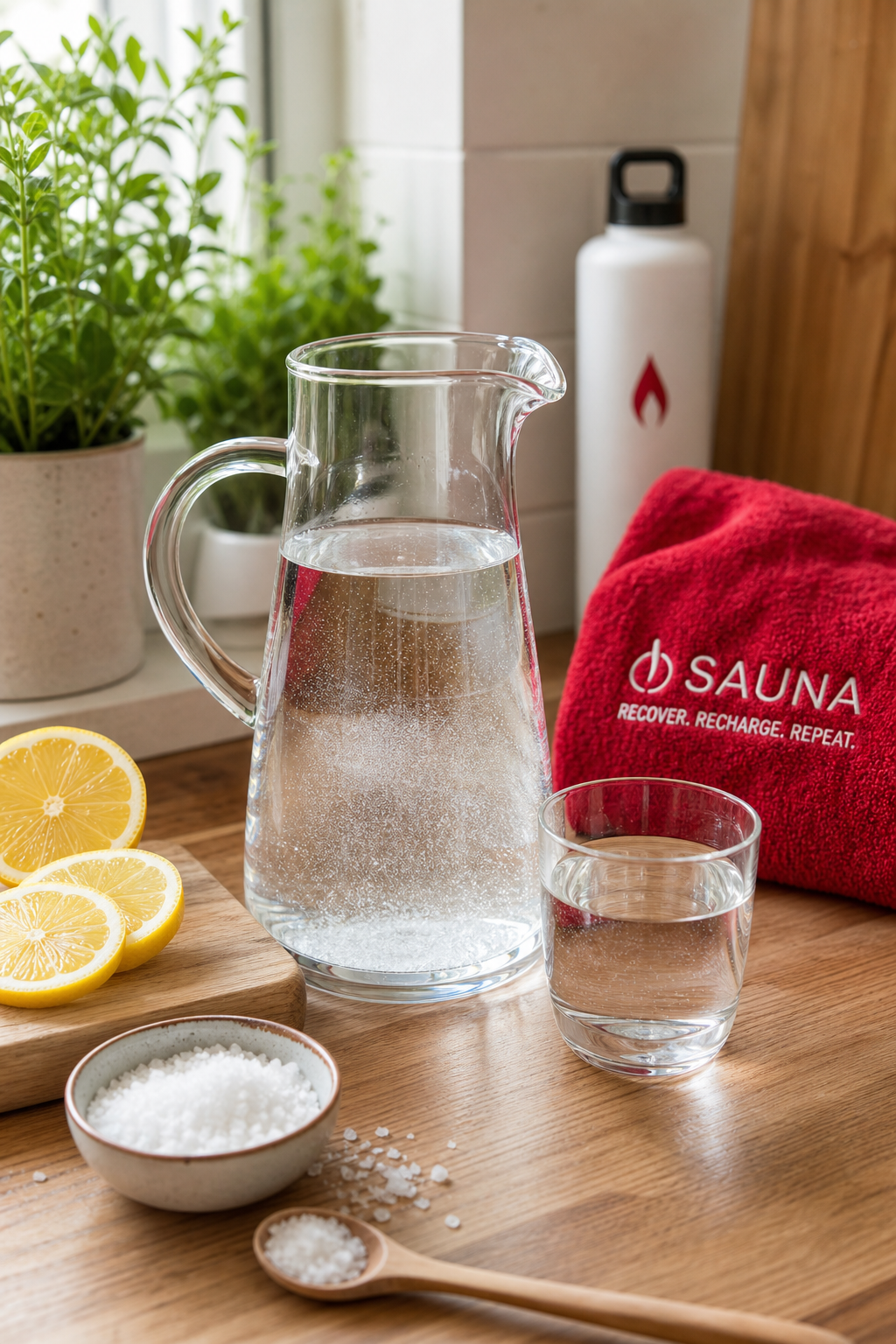
Drink 16‑20 ounces of water 30 minutes before you step in. This gives your blood volume a quick boost without feeling overly full. If you tend to sweat heavily, add a pinch of sea salt or sip an electrolyte‑rich drink to replace sodium and potassium lost in the sweat.
Here’s a simple pre‑sauna hydration routine:
- Morning: 8‑oz water with a slice of lemon.
- Pre‑workout: 8‑oz water plus a banana (potassium).
- Post‑workout cool‑down: 8‑oz water.
- 30 min before sauna: 12‑oz water with a pinch of salt.
Keep a reusable bottle nearby while you’re in the sauna; taking small sips helps your body stay cool from the inside.
If you prefer something besides plain water, coconut water is a natural source of electrolytes, and mineral water can replenish trace minerals lost in sweat.
Avoid caffeine or alcohol right before the sauna; both increase fluid loss and can heighten the feeling of dehydration.
Step 3: Set the Right Sauna Temperature and Duration
The sweet spot for post‑exercise sauna use sits around 80‑90 °F (27‑32 °C) for 15‑20 minutes. This range consistently improves plasma volume and cuts muscle soreness, as the research summary shows. Going much hotter or staying longer can actually backfire, one study on swimmers found that three 8‑minute bouts at 176‑185 °F worsened next‑day performance. study on sauna temperature and performance
Start low if you’re new: set the thermostat to 80 °F and sit for five minutes. If you feel comfortable, add five‑minute increments until you reach the 15‑20 minute window.
Temperature control varies by sauna type. Traditional Finnish saunas typically run 150‑190 °F, while infrared models stay cooler (120‑150 °F). For post‑workout recovery, infrared can be gentler on the cardiovascular system, making it a good choice for beginners.
Watch for signs that the heat is too much: rapid heart rate, dizziness, or a metallic taste in your mouth. If any of these appear, exit immediately and start rehydrating.
Below is a quick guide to match your workout intensity with sauna time:
- Light cardio: 10‑15 min at 80‑85 °F.
- Moderate strength training: 12‑18 min at 85‑90 °F.
- Very intense HIIT: 8‑12 min at 80‑85 °F, then cool down.
Remember, the goal is a gentle, sustained heat that promotes blood flow without pushing your core temperature too far.
After you finish, give yourself a minute or two to step out slowly; a sudden temperature drop can cause light‑headedness.
Step 4: Listen to Your Body During the Session
Heat therapy feels relaxing, but it’s not a free pass to ignore warning signs. Your body will tell you when it’s had enough. Common cues include a racing heart, tingling in the limbs, or a feeling of nausea.
Set a mental checkpoint every five minutes. Ask yourself: “Do I feel comfortable? Is my breathing steady? Is my skin still moist but not clammy?” If the answer is no, it’s time to get out.
For athletes who train in hot climates, a brief “heat‑acclimation” plan can be useful. Start with shorter, milder sessions and gradually increase temperature over weeks. This helps your body produce heat‑shock proteins, which aid muscle repair.
People with heart conditions or low blood pressure should consult a doctor before adding sauna to their routine. Even healthy adults can experience a temporary dip in blood pressure after leaving the sauna, so stand up slowly.
Keep a towel handy to wipe sweat and maintain a comfortable grip on the bench. If you notice excessive sweating that makes the bench slippery, pause the session and dry off.
When you respect those signals, the sauna becomes a powerful recovery tool rather than a source of stress.
Step 5: Cool Down Gradually After the Sauna
Leaving the sauna abruptly can cause a rapid drop in heart rate and blood pressure, which may lead to faintness. A gradual cool‑down smooths that transition and locks in the circulation benefits you just earned.
Start by stepping out into a room with a comfortable temperature (around 70‑75 °F). Walk around for a minute or two, letting the air gently lower your skin temperature.
Next, take a lukewarm shower for 1‑2 minutes. Avoid icy water right away; a contrast shower (lukewarm to cool) works best after a few minutes of heat exposure. The cool water causes blood vessels to constrict, which helps push fresh, oxygen‑rich blood back into the muscles.
Finish with a short period of gentle stretching. Focus on the muscle groups you worked that day. Light stretches keep the muscles loose and extend the increased blood flow gained in the sauna.
Hydration continues during this phase, sip water as you shower to replace any fluid lost in the final minutes of heat.
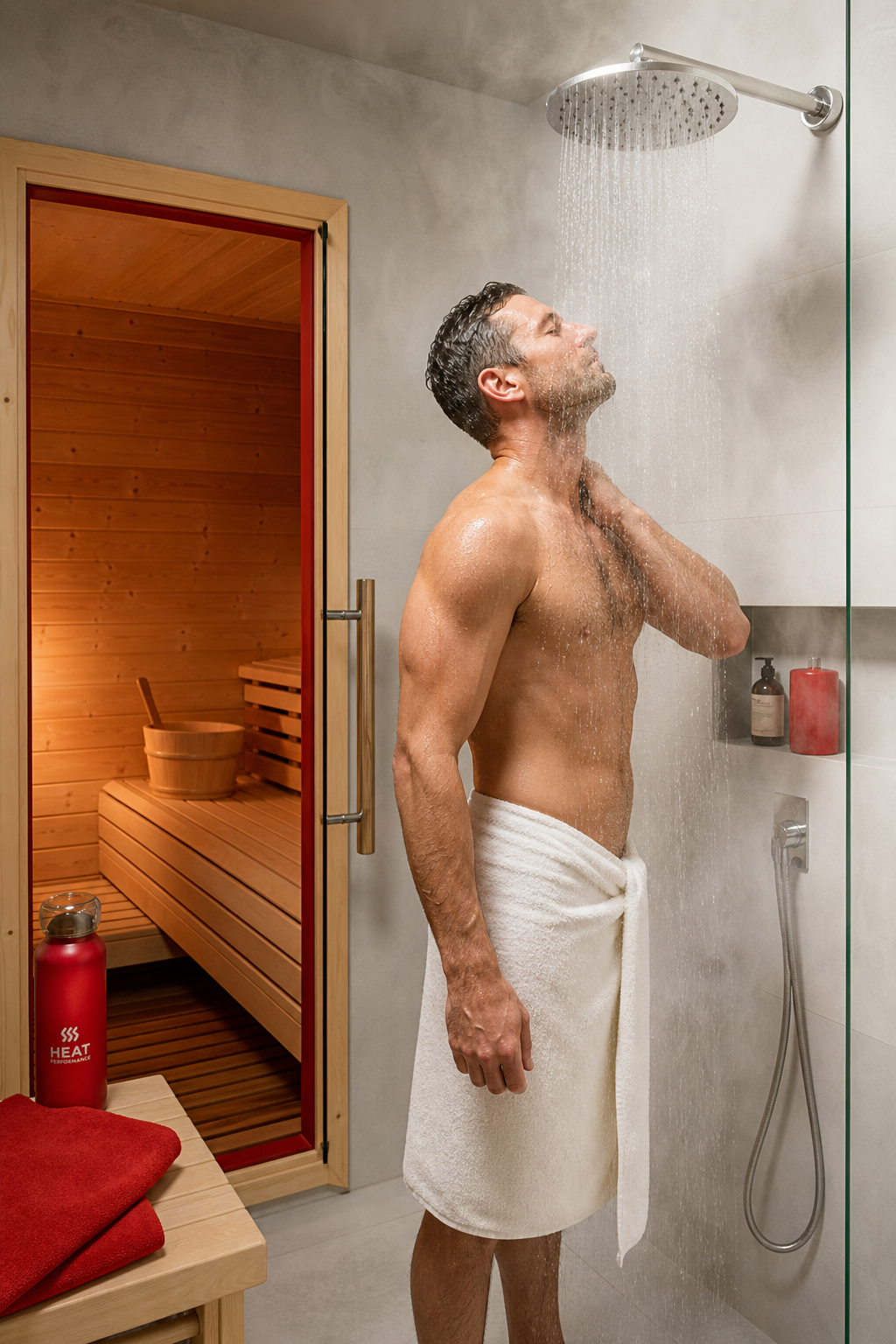
By easing your body back to baseline, you reduce the risk of post‑sauna dizziness and set the stage for effective muscle repair.
Step 6: Rehydrate and Refuel After Your Sauna Session
After heat exposure, your body craves both fluids and nutrients. Replacing lost water and electrolytes restores blood volume, while protein and carbs help repair muscle fibers.
Within 30 minutes of exiting, drink 8‑12 ounces of water or an electrolyte beverage. If you prefer natural options, coconut water offers potassium and magnesium without added sugars.
Follow the drink with a small, balanced snack. Good choices include Greek yogurt with berries, a banana with a handful of nuts, or a protein smoothie that blends fruit, leafy greens, and a scoop of whey or plant‑based protein.
Complex carbohydrates such as quinoa, sweet potatoes, or whole‑grain toast replenish glycogen stores used during the workout. Pair them with protein to support muscle synthesis.
Avoid heavy, greasy meals immediately after the sauna; they can sit in the stomach and make you feel sluggish. Instead, aim for a light, nutrient‑dense meal within an hour.
For a quick reference, here’s a post‑sauna recovery plate:
- Hydration: 250 ml water + pinch of sea salt.
- Protein: 20‑25 g (e.g., 1 egg, ½ cup Greek yogurt).
- Carbs: 30‑40 g (e.g., half a cup cooked quinoa).
- Electrolytes: a banana or a handful of almonds.
Staying consistent with this routine maximizes the circulation boost you got from the sauna and turns it into real recovery gains.
For more on the long‑term health impact of regular sauna use, of sauna health benefits. The article highlights how repeated sessions can lower blood pressure and improve heart health, benefits that complement any fitness program.
Frequently Asked Questions
Can I use a sauna after any type of workout?
Yes, but the timing and duration should match the intensity of the session. Light cardio or yoga pairs well with a 10‑15 minute sauna at a moderate temperature. High‑intensity interval training (HIIT) or heavy lifting may require a shorter, cooler session to avoid excess stress on the heart and to prevent dehydration.
How soon after my workout should I start the sauna?
Give yourself a brief cool‑down of 5‑10 minutes first. This lets your heart rate drop and your muscles start the recovery process. After that, you can step into the sauna with a fresh water bottle and begin your heat protocol.
What temperature is safest for post‑workout sauna use?
Aim for 80‑90 °F (27‑32 °C) if you’re using a traditional dry sauna, or 120‑140 °F (49‑60 °C) for an infrared model. These ranges have been shown to boost plasma volume and reduce soreness without over‑taxing the cardiovascular system.
Is it okay to stay in the sauna for longer than 20 minutes?
Staying longer can increase the risk of dehydration and heat‑related fatigue. Most research points to a “goldilocks” window of 15‑20 minutes for optimal recovery. If you feel any dizziness, light‑headedness, or excessive sweating, exit immediately.
Should I eat before the sauna?
A light snack that’s easy to digest, like a banana, a handful of nuts, or a small yogurt, can provide the energy you need without making you feel heavy. Heavy meals can cause discomfort in the heat and slow digestion.
Do I need to take a cold shower after the sauna?
A lukewarm or cool shower helps bring your core temperature back down gradually and improves circulation. A full cold plunge is optional and may be useful for athletes accustomed to contrast therapy, but it’s not required for most people.
Can regular sauna use replace other recovery methods?
No. Saunas are a valuable supplement to stretching, proper nutrition, sleep, and active recovery techniques. They enhance blood flow and relaxation, but they don’t replace the mechanical benefits of foam rolling or mobility work.
Is it safe for people with heart conditions?
Anyone with a known heart condition should get medical clearance before adding sauna sessions. The heat can temporarily raise heart rate and lower blood pressure after exiting, so professional guidance is essential.
Conclusion
Using a sauna after a workout can be a game‑changer for recovery when you follow a structured plan: cool down, hydrate, set a safe temperature, stay attuned to your body, cool down again, and refuel wisely. The science backs a moderate 15‑20 minute heat exposure at 80‑90 °F for improved plasma volume and reduced soreness, while proper hydration shields you from the main risk, dehydration.
Ready to dive deeper? Explore our Sauna for Muscle Recovery guide for advanced protocols, equipment tips, and how to blend sauna use with other recovery tools like cold plunges and massage.
Make the sauna a regular part of your fitness routine, listen to the signals your body sends, and you’ll reap the calm, circulation, and muscle‑repair benefits that turn a hard workout into lasting progress.