
Imagine stepping into warm, bubbling water after a long day. The heat wraps around you, the jets massage tired muscles, and the world feels a little softer. That feeling isn’t just a luxury, it’s a proven way to boost health. In this article you’ll see the seven biggest hydrotherapy hot tub benefits, how they work, and what to look for when you shop.
1. Pain Relief , Soothes Aches and Muscle Tension
When you sink into a hot tub, buoyancy lifts the weight off your joints. That alone cuts strain on knees, hips, and the spine. Add warm water and focused jets, and you get a gentle massage that raises blood flow and eases tight fibers. The result is less pain after a workout, a lighter step after a day on the golf course, and relief for chronic aches.
Arctic Spas notes that hydrotherapy can replace costly doctor visits for many people. The water’s heat expands blood vessels, letting more oxygen reach sore tissue. Jets add a pulsing pressure that mimics a deep‑tissue massage, breaking up knots without a therapist’s hands.
Dr. Melissa Young of the Cleveland Clinic explains, “Hot water therapy can be an alternative to over‑the‑counter pain relievers for mild to moderate muscle pain.”Read more about the medical view. She adds that a 10‑20 minute soak is enough to feel the benefit, but staying too long can cause swelling.
- Set the temperature between 100°F and 104°F for optimal muscle relaxation.
- Target the lower back with lumbar‑focused jets for chronic lower‑back pain.
- Limit each session to 15‑20 minutes if you have arthritis or swelling.
Imagine you’re a runner who just finished a marathon. A quick dip in a hot tub can speed up recovery by flushing lactic acid and reducing post‑run soreness. The same principle works for anyone who spends hours at a desk, lifts weights, or simply aches from age.
For those who want the best recovery experience, Best Hot Tubs for Muscle Recovery in 2026 breaks down the top models that pair deep‑tube jets with precise temperature control.
2. Stress Reduction , Calm Your Mind and Body
Stress hits the nervous system first. The warm water tells your brain you’re safe, which drops cortisol , the stress hormone. The rhythmic motion of the jets mimics the breath patterns used in meditation, helping you settle into a calm state.
Cold‑exposure advocates claim that a quick plunge after a hot‑water soak spikes dopamine and sharpens mood. While the evidence is still emerging, the combination of heat and a brief cool rinse can boost alertness without the anxiety surge that pure cold can cause.
One study from a Finnish health institute showed that regular sauna use , a heat therapy similar to hot tubs , lowered the risk of depression and anxiety. The same mechanisms, heat‑induced vasodilation and endorphin release, apply to hot‑tub soaking.
Usable steps to turn a soak into a stress‑busting ritual:
- Dim the lights and play soft music; the senses reinforce relaxation.
- Focus on your breathing: inhale for four counts, exhale for six.
- End with a 30‑second cool splash to reset the nervous system.
The stress‑relief effect isn’t just mental. Lower cortisol means lower blood pressure, which ties into the heart‑health benefits covered later.
3. Improved Circulation , Boost Heart Health
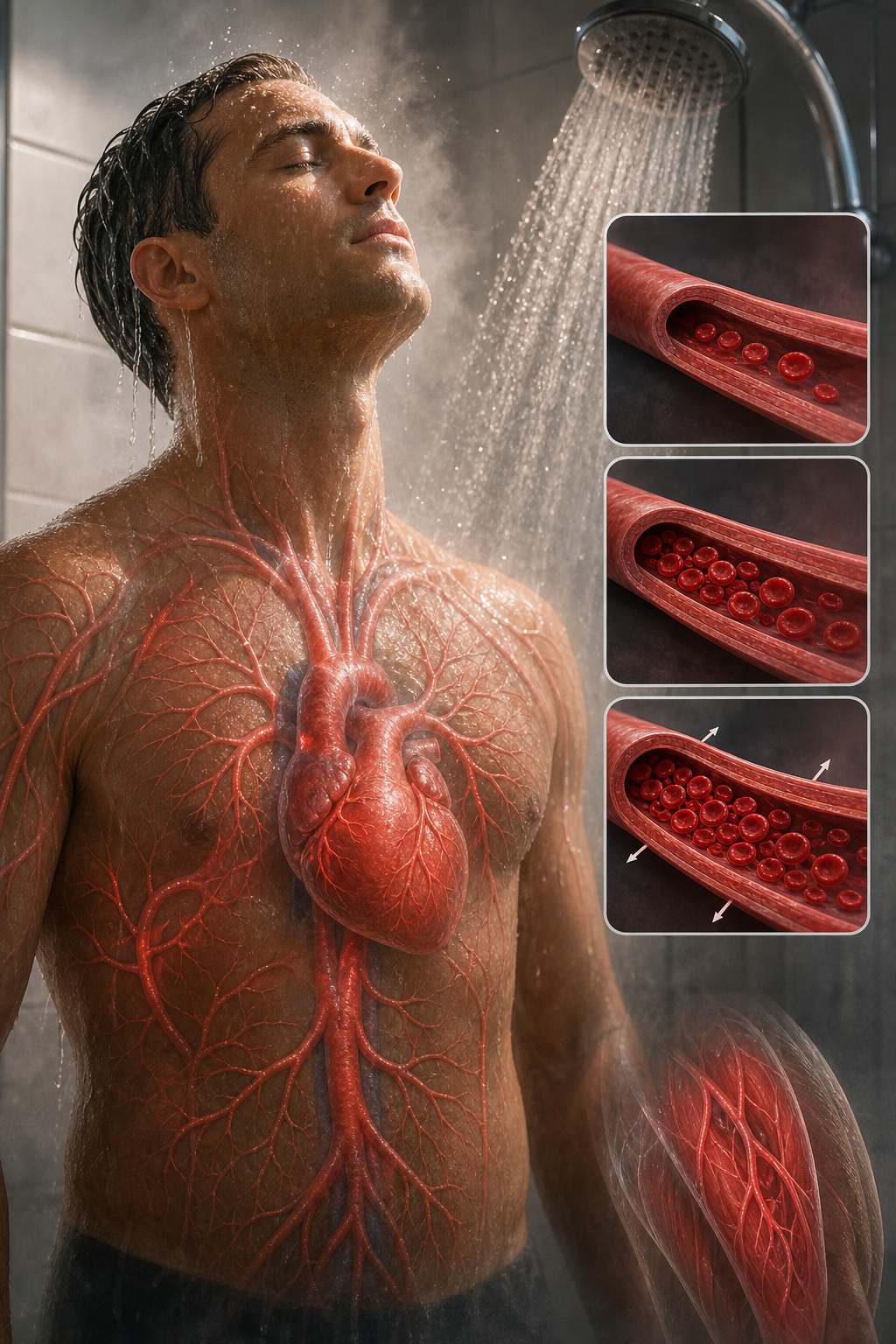
Warm water causes blood vessels to dilate, a process called vasodilation. This lets blood flow more freely to the skin, muscles, and vital organs. The result is a temporary rise in cardiac output that mimics moderate aerobic exercise.
Research published in ScienceDirect showed that regular hot‑water immersion improved arterial stiffness in adults with hypertension. A separate trial in PLOS ONE linked weekly hot‑tub sessions to better endothelial function, a key factor in preventing heart disease.
Here’s why that matters for everyday life. Better circulation means oxygen reaches muscles faster, which reduces fatigue. It also helps clear metabolic waste, supporting recovery after workouts.
How to maximize the circulatory boost
Start with water at 102°F. Let your body adjust for a minute, then turn on the jets aimed at the calves and thighs. Those large muscle groups act like a pump, pushing blood back toward the heart.
After 10‑15 minutes, step out and walk around for a few minutes. The brief cool‑down encourages the vessels to contract, creating a “vascular workout” that strengthens vessel walls.
- Aim for 3‑4 sessions per week for lasting heart benefits.
- Combine with a low‑salt diet to keep blood pressure in check.
- Monitor your heart rate; a mild increase (10‑20 bpm) is normal.
People with existing heart conditions should talk to a doctor before beginning a routine, because the heat can temporarily raise heart rate.
4. Better Sleep , Fall Asleep Faster and Deeper
Sleep problems affect millions, and the simple act of soaking can reset your internal clock. Warm water raises core temperature; when you exit, the body cools rapidly, signaling that it’s time to sleep.
Hullopillow notes that a 1‑2 hour gap between the end of a soak and bedtime lets the temperature drop enough to trigger melatonin release. That hormone tells the brain it’s night, helping you drift off faster.
A study from the CDC shows that 25‑60% of adults get less than the recommended seven hours of sleep. Adding a nightly hot‑tub ritual can close that gap without medication.
Step‑by‑step bedtime routine
1. Fill the tub to a comfortable depth and set the heat to 100‑104°F.
2. Soak for 15‑20 minutes, allowing muscles to relax.
3. Exit, towel off, and give yourself 60‑90 minutes before lights out.
4. Keep the bedroom cool (around 65°F) to reinforce the cooling effect.
Tip: Dim the lights in the bathroom and avoid screens during the soak. The reduced blue‑light exposure helps melatonin production.
“The cooling process after a hot‑tub soak triggers a relaxation response that tells your body it’s time for sleep.” , Dr. Melissa Young, Cleveland Clinic
People who follow this routine report falling asleep 30‑45 minutes faster and enjoying deeper REM cycles. Better sleep then fuels recovery, mood, and immune function.
5. Detoxification , Flush Out Toxins
Sweating in a hot tub is a natural way to move waste out of the skin. As the core temperature climbs, the body releases sweat, which carries trace metals, chemicals, and metabolic by‑products.
Jacuzzi recommends a pre‑soak shower and gentle exfoliation to clear dead skin, letting sweat reach the pores more easily. During the soak, stay hydrated with water or an electrolyte drink to replace fluid loss.
After the session, a cool rinse rinses away the dissolved toxins that have risen to the surface. Repeating this routine a few times a week can help keep the skin fresh and support the liver’s detox pathways.
- Exfoliate with a loofah before entering the tub.
- Drink at least 8 oz of water per 15‑minute soak.
- Finish with a cool shower to close pores.
While a hot tub isn’t a replacement for a balanced diet, the added sweat session can complement a healthy lifestyle, especially during the summer months when the body naturally wants to eliminate excess heat‑related waste.
6. Joint Mobility , Ease Stiffness and Arthritis
Joint pain often comes from inflammation and reduced movement. Warm water lifts the body, allowing joints to move through a fuller range without weight bearing.
Medical News Today reports that heat therapy dilates blood vessels around joints, delivering more oxygen and nutrients. A 2010 study on knee osteoarthritis found that 20‑minute heat sessions every other day reduced pain scores significantly.
For rheumatoid arthritis, a 2018 spa‑therapy trial showed that daily 20‑minute warm‑water sessions lowered swelling compared with medication alone. The gentle massage from jets also breaks up adhesions that can form around the joint capsule.
Best practices for arthritis sufferers
Choose a tub with adjustable jets aimed at the lower back, hips, and knees. Air‑water mixed jets feel softer on inflamed tissue than pure water streams.
- Keep water temperature below 104°F to avoid overheating inflamed joints.
- Limit each soak to 15‑20 minutes; longer exposure can increase swelling.
- Combine with gentle stretching while in the water to enhance mobility.
Even people without diagnosed arthritis benefit. Regular hydrotherapy can keep joint cartilage supple, making everyday activities like gardening or tennis feel easier.
How to Choose the Right Hydrotherapy Hot Tub for Your Needs
Start by measuring your backyard space and checking local electrical codes. Next, match the jet layout to the body areas you want to treat. If you’re dealing mainly with lower‑back pain, prioritize strong lumbar jets. For arthritis, look for gentle, wide‑area coverage that won’t irritate sensitive skin.
Don’t forget the long‑term costs. A well‑insulated tub may cost more upfront but saves money on heating bills. Look for a dealer that offers a service plan; regular water care keeps the system efficient and your skin safe.
Frequently Asked Questions About Hydrotherapy Hot Tubs
Can I use a hot tub every day?
Yes, daily use is safe for most healthy adults if you keep sessions to 15‑20 minutes and maintain proper water chemistry. Heavy users should test water quality twice a week and watch for signs of overheating, such as dizziness or excessive sweating.
What temperature is best for therapeutic benefits?
The sweet spot sits between 100°F and 104°F. That range promotes vasodilation, muscle relaxation, and safe sweat production without risking burns or heat‑related swelling.
Are there any health conditions that prevent hot‑tub use?
Pregnant people, those with uncontrolled hypertension, or anyone with severe heart disease should get a doctor’s OK first. Low blood pressure can also cause light‑headedness after a soak, so stand up slowly.
How long should each session last?
Most experts recommend 10‑20 minutes per soak. Shorter sessions are fine for beginners; longer ones may increase the risk of dehydration or a drop in blood pressure.
Do I need a special filter for mineral‑heavy desert water?
Yes. Look for a high‑capacity pleated filter and consider a salt‑water system, which handles mineral buildup better than chlorine. Luxury Hot Tubs offers models designed for the Coachella Valley’s hard water.
Can a hot tub replace other forms of exercise?
No, it’s a supplement, not a substitute. Hydrotherapy improves circulation and eases muscle tension, but cardio and strength training are still needed for overall fitness.
Is there a benefit to alternating hot and cold water?
Contrast therapy can boost circulation and reduce inflammation, but Caldera® Spas’ cold‑exposure claim lacks solid research. If you try it, keep cold exposure brief (2‑5 minutes) and always listen to your body.
How often should I clean the hot tub?
Change the water every 3‑4 months, clean the filter weekly, and balance chemicals after each use. A regular maintenance schedule prevents algae growth and keeps the heating system efficient.
Conclusion
Hydrotherapy hot tubs do more than offer a fun soak. They can ease pain, lower stress, improve circulation, boost sleep, help the body detox, and keep joints moving. Those benefits line up with real research from medical journals and respected health centers.
Choosing the right model matters. Look for solid insulation, adjustable jets, reliable temperature control, and an energy‑efficient pump. Luxury Hot Tubs in the Coachella Valley carries Caldera® Spas, a brand built for desert heat and mineral‑rich water, making it a strong match for homeowners who want both luxury and lasting performance.
Ready to turn your backyard into a wellness oasis? Start by assessing your space, set a budget, and talk to a trusted dealer who can guide you through the features that matter most. Your body, and your mind, will thank you for the extra care.