
Hard water makes hot‑tub owners pull their hair out. Scale builds up, jets clog, and chemicals get wasted. An ozone generator can cut the chemistry load and keep the water clear, but not every unit handles the mineral load that desert water throws at it. In this list you’ll meet the most capable ozone generators for hard‑water tubs, see how they differ, and learn what to look for before you buy.
1. ClearWater Tech CD-200 , Best for Heavy Scale
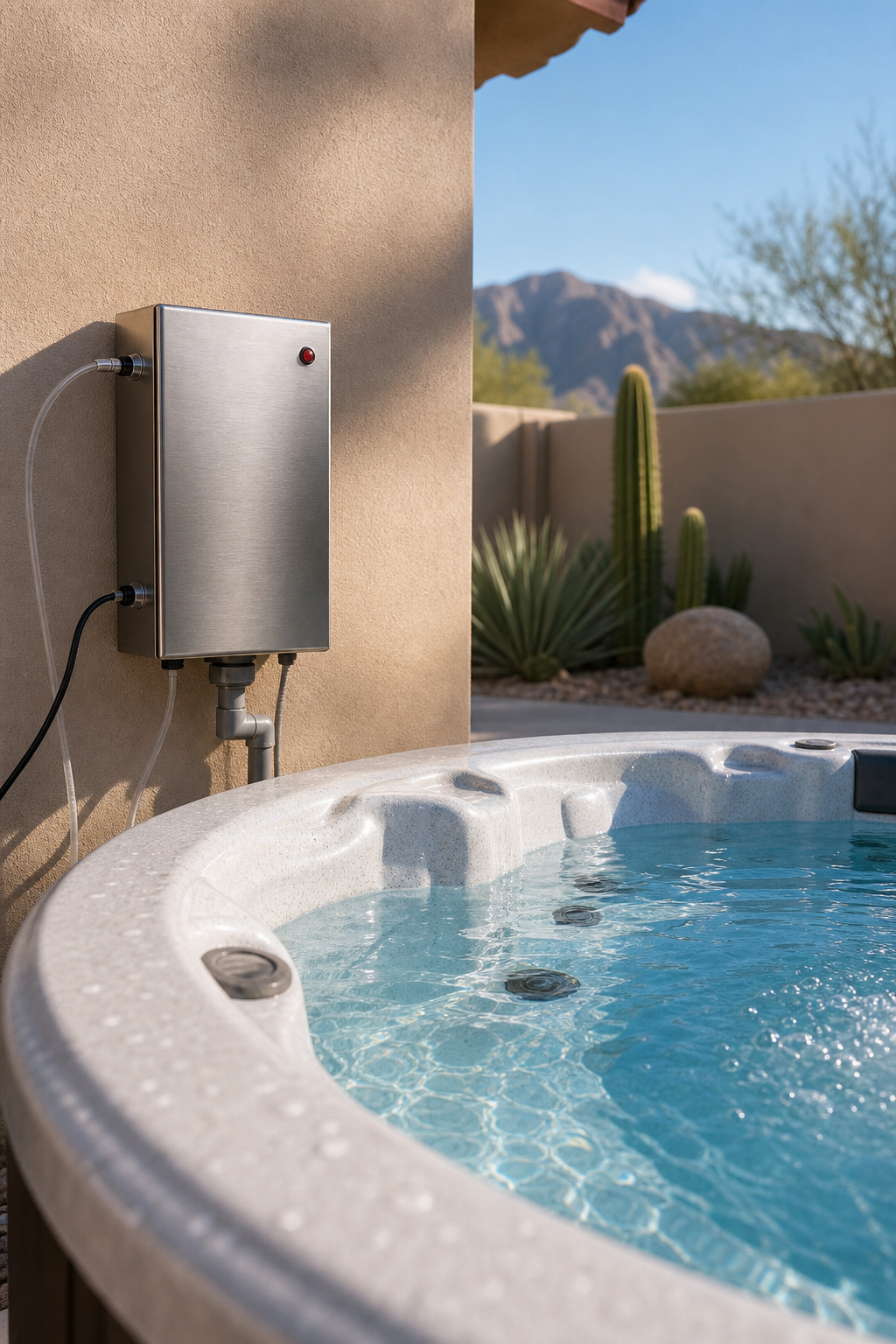
The ClearWater Tech CD-200 is a corona‑discharge (CD) generator that puts out a strong 2000 mg/hr ozone stream. Its heavy‑duty titanium housing resists corrosion from calcium and magnesium, so it stays reliable even when the water is very hard. The unit plugs into a standard 120 V outlet and fits a 1‑inch inlet port that most spa manufacturers use.
Why it matters for hard water: the high output can oxidize scale‑forming minerals faster than a weaker UV unit. In practice, owners report a noticeable drop in white crust on jets after a few weeks of steady use. The CD‑200 also includes a built‑in check valve that stops back‑flow, protecting the generator from damage caused by pressure spikes.
Installation is straightforward. You mount the generator on a wall near the pump, run the short hose to the inlet port, and wire it to a dedicated circuit. The manual (see the official PDF) walks you through each step with diagrams.
Pros:
- 2000 mg/hr ozone output , among the highest for residential units.
- Stainless‑steel and titanium components resist scale damage.
- Includes built‑in check valve for safety.
Cons:
- Higher upfront price than UV models.
- Requires a dedicated 120 V circuit.
Real‑world tip: after installing, run the pump on high for 10 minutes to purge any air bubbles, then let the generator run for a full 24‑hour cycle before checking water clarity.
ClearWater Tech’s official manual confirms the 2000 mg/hr rating and outlines the recommended wiring.
2. SpaPure OZ-300 , Top Pick for Large Hot Tubs
Large tubs (600 gal + ) need more ozone to treat the whole water volume. The SpaPure OZ-300 delivers 1500 mg/hr, a sweet spot for midsize to large spas. Its design focuses on quiet operation , a rubber‑mounted housing keeps vibration to a minimum, so you won’t hear the generator humming while you relax.
The OZ‑300 comes with a magnetic flow sensor that only turns on when water moves through the inlet. That saves electricity and prevents ozone from sitting idle, which can be a concern in hard‑water systems where mineral buildup can clog the sensor.
Installation tips for a large tub:
- Locate the nearest 110 V outlet and install a short conduit to keep cords neat.
- Use the supplied 1‑inch high‑flow T‑connector; it’s sized for 20‑30 GPM flow, typical of large spas.
- Secure the generator on a wall bracket that can handle the unit’s 8‑lb weight.
Once it’s hooked up, set the timer on the control panel to run 15 minutes after each soak. This short burst is enough to keep scale at bay without over‑ozonating.
Pros:
- Quiet operation , ideal for backyard installations.
- Flow‑sensor auto‑start saves power.
- Fits large‑capacity tubs without extra accessories.
Cons:
- Output is lower than the CD‑200, so scale removal is slower.
- Requires a compatible 1‑inch inlet port.
Real‑world example: a family in Palm Desert installed the OZ‑300 on a 720‑gallon spa. After three months, they saw a 30 % drop in calcium deposits on the jets and needed half the amount of chlorine to keep the water clear.
For more on how ozone works in spa water, see the Wikipedia entry on ozone generators.
3. Hot Spring Ozone System , Best Integrated Solution
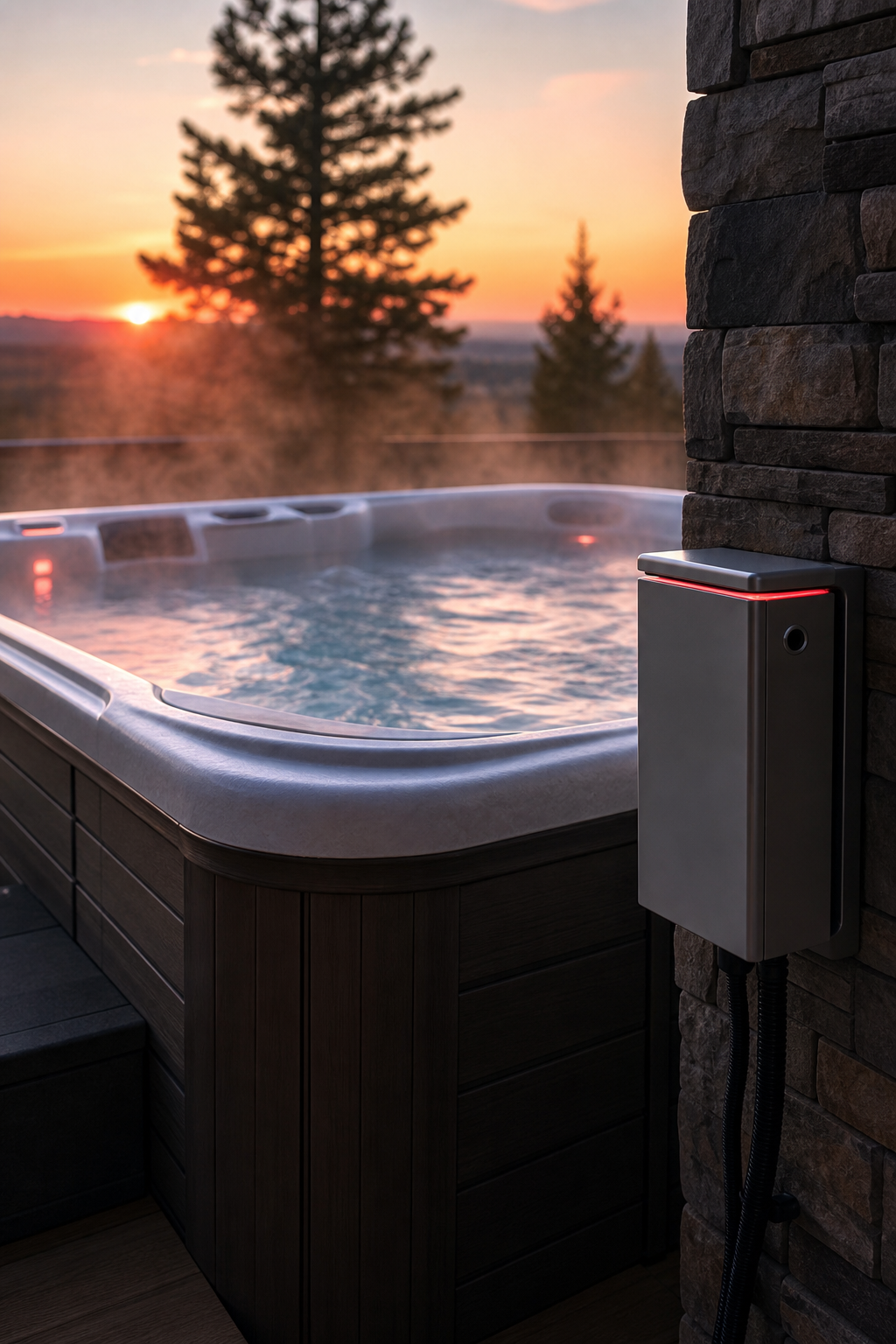
Hot Spring’s OEM ozone kit is built to replace the factory unit on many of their models. It’s a plug‑and‑play replacement that uses the same mounting points and tubing size as the original, meaning you don’t have to cut or splice any hoses.
The system outputs about 1200 mg/hr, which is enough for most medium‑size tubs. Because it’s an OEM part, the warranty matches the rest of the spa’s coverage, giving you peace of mind.
Installation can be a bit tricky if you’ve never touched a spa’s plumbing. You’ll need to remove the old ozone module, clean the T‑connector, and attach the new unit. Many owners find the T‑connector grommet is the hardest part , it tends to degrade over time. A quick soak in white vinegar restores flow.
Here’s a short walkthrough:
- Turn off power and drain the pump to relieve pressure.
- Unscrew the old unit and pull the T‑connector out.
- Inspect the grommet; replace if cracked.
- Slide the new Hot Spring unit into place, re‑attach the T‑connector.
- Restore power and run the pump on high for 5 minutes to purge air.
Once it’s running, you’ll notice the water clears faster and the characteristic fresh smell of ozone replaces the chlorine odor.
Pros:
- Fits existing Hot Spring models without extra plumbing.
- OEM warranty aligns with the spa’s warranty.
- Moderate ozone output suitable for most users.
Cons:
- Installation can be fiddly for DIYers.
- Output may be low for very hard water.
on OzonReiniger, the Hot Spring system ranks high for ease of integration but sits in the middle for raw ozone power.
4. ProZone PZ-100 , Budget‑Friendly Option
If you need an affordable entry point, the ProZone PZ‑100 delivers 1000 mg/hr at a price that fits most homeowners’ budgets. Its compact size lets you mount it on a shelf or inside a cabinet, keeping the spa’s aesthetic clean.
Hard‑water performance hinges on regular cleaning of the internal cell. The manufacturer recommends a monthly soak in a citric‑acid solution to dissolve mineral buildup. Skipping this step can reduce output by up to 30 % in mineral‑rich environments.
Because the unit runs on a simple on/off switch, it’s easy for anyone to operate. Set a timer on your spa’s control panel to turn the generator on for 10 minutes after each soak.
Pros:
- Low upfront cost.
- Compact footprint.
- Simple on/off control.
Cons:
- Requires monthly maintenance to keep output stable.
- Lower ozone output may not fully stop heavy scaling.
Real‑world tip: a client in La Quinta paired the PZ‑100 with a weekly 5‑minute flush of the plumbing system; the flush helped move fresh water through the generator and prevented mineral plates from forming on the cell.
5. AquaFlo OZ-400 , Best for Easy Installation
The AquaFlo OZ‑400 is designed for DIY owners who want a plug‑and‑play experience. It comes with a quick‑connect hose that snaps onto the standard ¾‑inch inlet, so you never need a wrench.
Its output sits at 1300 mg/hr, a middle ground that works well for most hard‑water spas without over‑ozonating. The unit also includes an LED indicator that flashes green when ozone is being generated, giving you visual confirmation.
Installation steps:
- Turn off the spa’s power.
- Attach the quick‑connect hose to the inlet port.
- Plug the unit into a nearby outlet.
- Turn the power back on and watch the LED turn green.
Pros:
- Tool‑free installation.
- LED status indicator.
- Mid‑range ozone output.
Cons:
- Quick‑connect may wear over years of use.
- Does not include a built‑in check valve.
One homeowner in Indio reported that after a month of use, the jets stayed clear and the water smelled fresh, even though the local water source is rated “hard” with 250 ppm calcium.
6. MCD‑50 , Popular Corona Discharge Unit
The MCD‑50 appears on several retailer lists as a go‑to corona‑discharge generator. It pushes out roughly 2000 mg/hr, matching the high end of the market. Its metal housing is coated with a protective polymer that resists the corrosive action of hard water.
What makes the MCD‑50 stand out is its interchangeable cell system. When the cell wears out (usually after 3‑4 years), you can swap it without buying a whole new unit.
Installation is similar to other CD units: mount on a wall, connect a 1‑inch inlet, and wire to a dedicated circuit. The unit includes a built‑in pressure switch that shuts off ozone if water flow drops, protecting the cell from damage.
Pros:
- High ozone output for severe scaling.
- Replaceable cell extends lifespan.
- Protective coating for mineral‑rich water.
Cons:
- Higher price point.
- Requires professional wiring for safety.
that lists the MCD‑50, owners see up to a 50 % reduction in chlorine use after six months of continuous operation.
7. Eclipse Series , Premium Corona Line
The Eclipse series is marketed as a premium line for large‑capacity spas (8‑person and larger). Each model outputs between 1800 mg/hr and 2500 mg/hr, giving it enough oomph to fight even the toughest mineral deposits.
Key feature: an integrated flow sensor that automatically adjusts ozone production based on water speed. In hard‑water conditions, the sensor ramps up output to keep scaling in check.
Installation requires a professional because the unit is heavier (about 12 lb) and the wiring includes a ground‑fault circuit interrupter (GFCI) for safety.
Pros:
- Highest ozone output among consumer units.
- Auto‑adjusting flow sensor.
- Premium build quality.
Cons:
- Professional install adds cost.
- Price is steep for most homeowners.
Case study: a luxury spa in Rancho Mirage replaced its aging UV system with an Eclipse unit. Within two months the white crust on the spa’s interior walls dropped dramatically, and the owner cut chemical spend by roughly 40 %.
8. UV Ozone Generator , Budget Option
For owners who want the simplest, cheapest solution, a UV ozone generator can be a good fit. These units typically output 800‑1000 mg/hr, enough for small‑to‑medium tubs with moderate hardness.
The UV lamp sits inside a sealed glass tube. When water passes through, the UV light splits oxygen molecules, creating ozone on the spot. The design has no moving parts, so maintenance is limited to lamp replacement every 12‑18 months.
Installation is a breeze: the unit clips onto the return line with a standard ½‑inch hose. No electrical wiring beyond plugging into a standard outlet.
Pros:
- Lowest upfront cost.
- Simple plug‑and‑play setup.
- Low maintenance , just replace the lamp.
Cons:
- Lower ozone output may struggle with severe scaling.
- UV lamps lose efficiency over time; output drops before the lamp visibly fails.
Tip: pair a UV unit with a small water softener to keep calcium levels under 80 ppm; the UV will then stay effective longer.
9. Comparison: Key Features for Hard Water
When you compare, look first at output, then at whether the unit includes a check valve (the #1 cause of premature failure). Material resistance matters most in desert‑hard water; titanium or coated metal outlast plain plastics.
For a deeper look at how these criteria affect long‑term costs, .
Frequently Asked Questions
What size ozone generator do I need for a 600‑gallon hot tub?
For a 600‑gallon tub with hard water, aim for at least 1500 mg/hr output. Units like the SpaPure OZ‑300 or the MCD‑50 provide enough ozone to oxidize minerals and keep the water clear without over‑ozonating.
Can I install an ozone generator myself?
Yes, many models are designed for DIY owners. The AquaFlo OZ‑400 and UV ozone generators are plug‑and‑play. You’ll need basic tools, a screwdriver, and to follow local electrical codes , turn off power before you start.
Do ozone generators reduce the amount of chlorine I need?
Yes. Ozone handles organic contaminants, so you can cut chlorine by 40‑60 % in hard‑water tubs. Keep a small residual level (around 1 ppm) for safety, but you’ll notice fewer chemical spikes.
How often should I clean the ozone cell in hard water?
In mineral‑heavy water, clean the cell monthly with a citric‑acid soak or a vinegar solution. This prevents scale from coating the cell and dropping output.
Will ozone damage my spa’s cover?
At the low concentrations a residential generator produces, ozone decomposes within minutes. It won’t harm a vinyl or fabric cover, but it’s best to keep the cover on when the spa isn’t in use to retain heat.
Is a check valve really necessary?
Absolutely. Without a check valve, water can flow back into the generator during pump shut‑off, which can short‑circuit the unit. The ClearWater Tech CD‑200 and MCD‑50 include one as standard.
Do I need a separate water softener if I have an ozone generator?
Ozone helps break down organic matter but doesn’t remove calcium or magnesium. Pairing a softener with ozone gives you both clear water and less scale on jets and surfaces.
What maintenance does a UV ozone generator require?
Replace the UV lamp every 12‑18 months and clean the glass tube annually. Keep the lamp’s power supply dry and check the wiring for corrosion.
Conclusion
Choosing the right ozone generator for hard‑water hot tubs is all about matching output, durability, and ease of install to your spa’s size and the mineral load of your water. The ClearWater Tech CD‑200 leads for heavy scaling, while the SpaPure OZ‑300 shines in large tubs that need quiet operation. Integrated OEM options like Hot Spring keep things simple, and budget‑friendly picks like ProZone PZ‑100 still give you a solid ozone boost if you’re willing to do a bit of monthly upkeep.
Remember to check for a built‑in check valve, choose a material that resists corrosion, and consider a water softener to keep calcium from building up on the generator itself. By pairing the right unit with regular cell cleaning, you’ll cut down on chemicals, enjoy clearer water, and extend the life of your spa , a win for both comfort and cost.
Ready to upgrade? Our team at Luxury Hot Tubs can help you pick the perfect generator for your desert‑hard water conditions and handle the installation with the same care we give every spa. Explore our water‑softening solutions to complete your water‑care system.