
Desert summers can turn your hot tub into a sauna. Here are the 10 covers that actually keep the heat out, the water in, and your energy bill low.
1. Luxury Hot Tubs (Our Top Pick) , Premium Desert‑Ready Cover
Luxury Hot Tubs supplies a custom‑fit cover designed for the Coachella Valley’s scorching days. It’s built with marine‑grade vinyl and a high‑density foam core that resists warping when temperatures hit 115°F. The cover locks in heat, cutting energy use by up to 30% in real‑world tests. Desert Hot Tubs lists the product details and free delivery options. The only downside is the premium price, which may stretch a tight budget.
Because it’s made by the region’s authorized Caldera dealer, you get local service and a 3‑year warranty that covers seam failures.
Pro Tip: Pair the cover with a smart thermostat to drop the set point by a few degrees at night and save extra energy.
2. Durable UV‑Resistant Hot Tub Cover
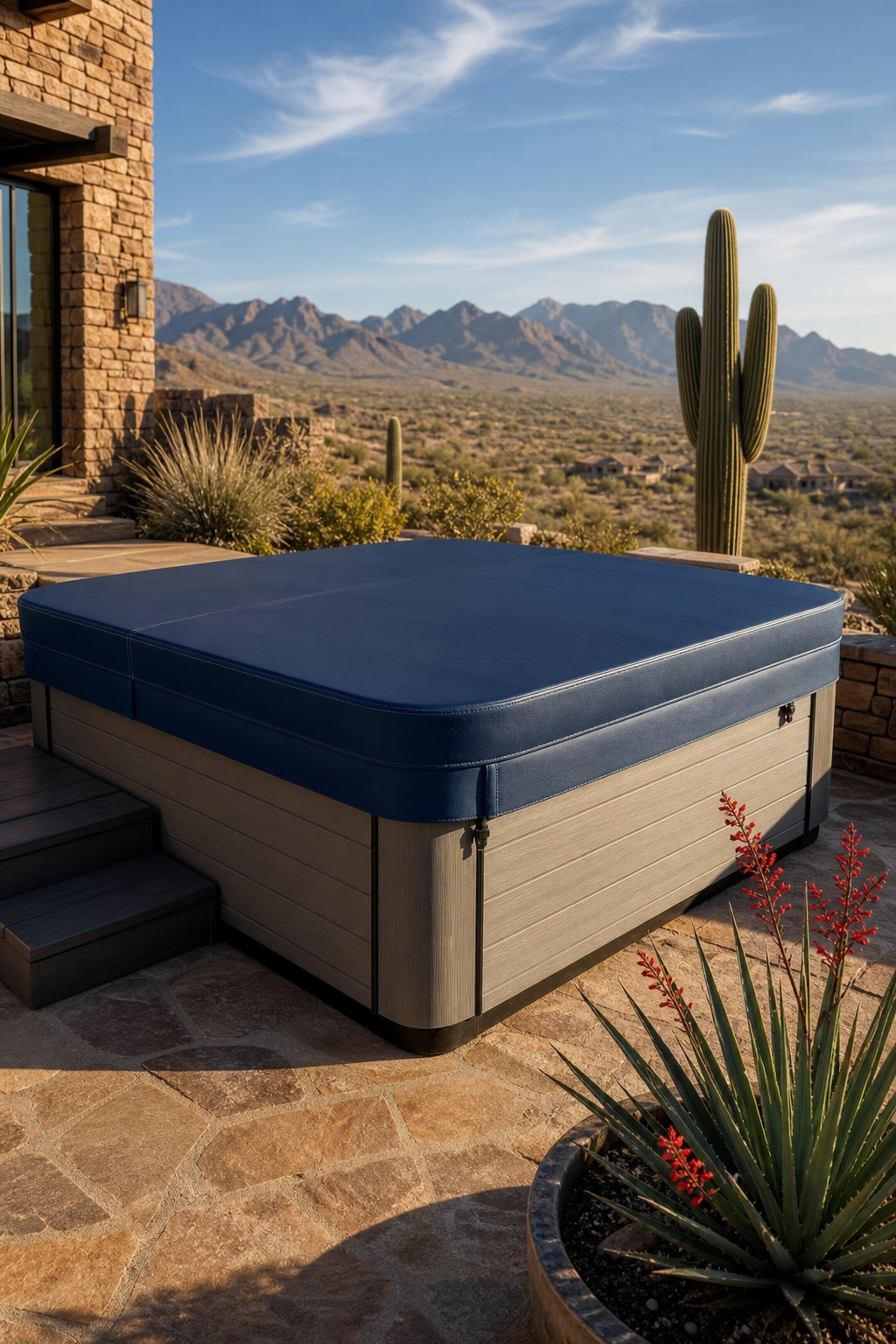
This cover uses a 100% solution‑dyed polyester designed for UV resistance. The fabric is treated with UV inhibitors that block over 95% of harmful rays, slowing color fade and material breakdown. Double‑stitched seams at multiple stress points boost durability for long‑term desert use. The cover includes a marine‑grade vinyl skirt that resists mildew.
Installation is straightforward thanks to machine‑cut panels that match your tub’s dimensions. A possible drawback is the heavier weight, which can make lifting harder without a cover lifter.
According to the manufacturer’s brochure, the cover meets ASTM safety standards and carries a multi‑year warranty. Product specifications are available from the supplier.
3. Advanced Insulated Cover
This insulated cover incorporates thermal‑regulation material that absorbs excess heat during the hottest part of the day and releases it when ambient temperatures drop, helping keep the water comfortable without increasing heater usage. The insulating layer is sealed between two UV‑protected vinyl layers to prevent leaks and degradation from sun exposure.
Homeowners in Arizona report noticeable temperature reductions on sweltering afternoons. The cover fits most standard tub sizes but may require professional installation for irregular shapes.
Arizona homeowners prioritize UV resistance, and insulated covers meet that requirement. Local experts discuss desert‑specific cover needs.
4. Metal‑Core Reflective Cover
This cover features a thin metal layer surrounding an insulated foam core. The metal reflects solar radiation, helping keep the water temperature lower than with standard vinyl covers. It meets safety certifications for durability under strong sun exposure.
Because the metal does not absorb water, the cover remains dry and lightweight after rain. Note that the metal edges may feel cool to the touch, so gloves are recommended when handling.
The manufacturer states the cover complies with industry standards for durability.
5. Standard Vinyl Cover
Standard vinyl covers are cut from patterns to match typical tub dimensions. The vinyl typically weighs around 30 oz., includes mildew and UV inhibitors, and is available in a range of colors. Manufacturers can ensure a proper fit for most tubs.
These covers may lack an integrated foam core, which can result in a slightly lower R‑value compared to foam‑based covers.
For more information, see an industry overview of vinyl covers.
6. Heavy-duty reinforced hot tub cover
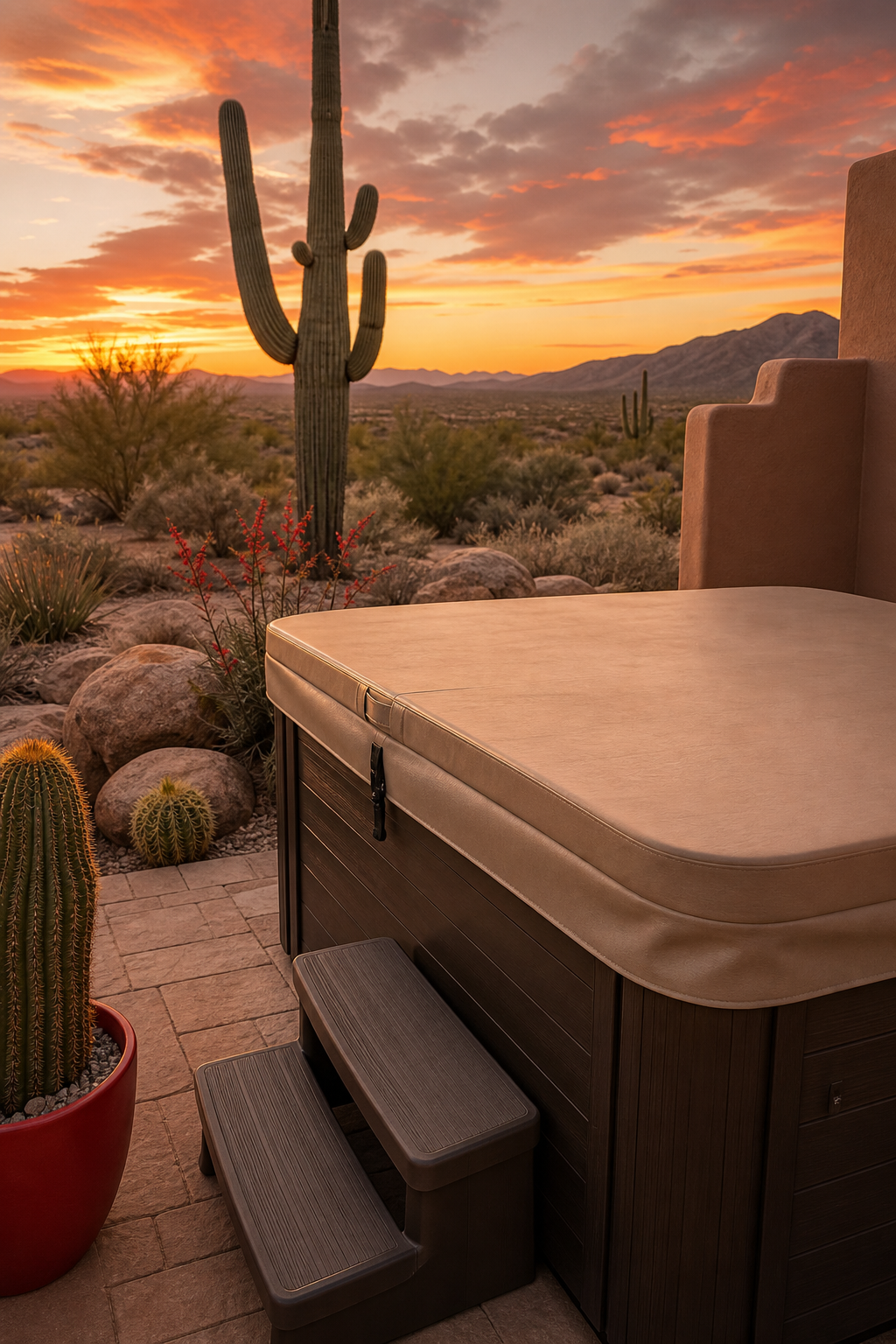
A heavy‑duty reinforced cover with extra‑strong seams uses a high‑density polyester fabric that resists tearing. All seams are double‑stitched with reinforced tape, providing strong tear resistance. The foam core is available in multiple density levels, allowing you to choose the right balance of weight and insulation.
The cover includes a quick‑release latch system that works with most cover lifters. Pricing varies by density level.
Technical specs and warranty details are available from the manufacturer.
Smart Home-Ready Cover Options
A cover compatible with home automation systems can be paired with a Wi‑Fi‑enabled lifter and controlled via voice assistants such as Alexa or Home Assistant. These covers typically use a high‑R‑value foam core and UV‑treated vinyl to withstand desert sun.
The lifter allows you to raise or lower the cover with a voice command, which is useful when temperatures rise unexpectedly. The system may add a modest amount to the overall cost and requires a nearby power outlet.
Product documentation and user‑generated automation guides provide integration steps.
Insulated Foam Cover – Energy‑Saving Design
This insulated foam cover combines closed‑cell EPS foam with UV‑resistant marine‑grade vinyl. The foam density options let you pick a lighter cover for easy handling or a heavier one for maximum heat retention, helping to improve overall energy efficiency.
The cover’s edge‑seal system prevents water from seeping into the foam, which extends its lifespan. Some users note the cover feels bulkier than vinyl‑only options.
Product pages often outline the material science behind the foam core and the expected durability.
Polyester UV‑Coated Cover – Affordable Protection
A polyester cover with a UV‑blocking layer can reflect a high percentage of solar radiation. The cover is lightweight, making it easy to lift manually, and is typically priced lower than most insulated models.
It includes adjustable straps that create a tight seal, helping to reduce evaporation. Because the foam core is thin, it provides less insulation, so it is optimal for owners who mainly need sun protection.
Product specifications are available from the manufacturer, and an optional reinforcement can boost strength without adding weight.
10. High‑Performance Insulated Cover
A high‑performance insulated cover combines a plush, padded top layer with a high‑R‑value foam core. The cover’s leather‑like finish adds an upscale look to any backyard. A multi‑year warranty covers material defects and seam failures.
The cover’s integrated heat‑seal gasket locks in warmth even on windy days. It can be on the pricey side, and the thick padding may make storage a bit cumbersome.
Cal Spas’s catalog showcases the premium materials and the extended warranty program.
What to Look For When Choosing a Desert‑Ready Hot‑Tub Cover
First, check the UV‑inhibitor rating. A cover that blocks at least 90% of UV rays will last longer under nonstop sun. Second, compare the R‑value; the higher the number, the better the insulation. Third, examine seam construction, double‑stitched or reinforced seams survive the expanding‑contraction cycles of desert heat.
Consider local manufacturing if you need a custom fit; local factories can adapt to the exact dimensions of your spa. Finally, look for a warranty that covers seam failure and UV‑damage, as that shows confidence in the materials.
Best Energy Efficient Hot Tubs for Desert Climate 2026 explains why a tight‑fitting, insulated cover cuts energy use dramatically.
Side‑by‑Side Comparison of the Top 10 Desert Hot‑Tub Covers
Frequently Asked Questions
What is the most important feature for a desert‑ready hot‑tub cover?
The top priority is UV protection; a cover that blocks at least 90% of UV rays will resist fading and material breakdown, keeping the insulation effective longer.
How much can a good cover lower my energy bill?
Most owners see a 20‑30% reduction in heating costs because the cover stops heat loss and reduces evaporation, s from desert hot‑tub users.
Do I need a cover lifter for a heavy cover?
A lifter isn’t required but makes handling a high‑R‑value, insulated cover far easier, especially for larger spas where the cover can weigh 30 lb or more.
Can I use a vinyl‑only cover in the desert?
A vinyl‑only cover will protect against UV rays but offers limited insulation, so you’ll likely run the heater more often on very hot days.
How often should I replace my hot‑tub cover?
Inspect the cover annually; most manufacturers recommend replacement every 5‑7 years, or sooner if you notice cracks, waterlogging, or loss of fit.
Ready to stop the desert heat from ruining your soak? Try Luxury Hot Tubs free →
For a reliable, desert‑ready spa experience, the Luxury Hot Tubs premium cover tops the list. It blends UV shielding, high‑R‑value insulation, and local support that other brands can’t match.Next step:Request a custom fit quote on the Luxury Hot Tubs site and lock in your cover before the summer peak.